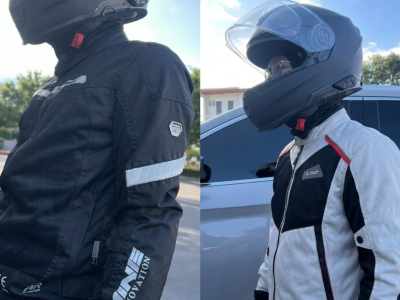
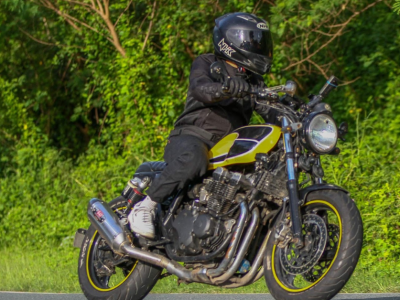
I’ve spent enough time in both of these jackets now that I can tell you exactly where they part ways, and it’s not where the spec sheets suggest. Both fit close to true-to-size on a Pinoy build, both carry real CE-rated armor, both look like jackets someone actually designed instead of jackets built purely to hit a price point. If you lined up the numbers side by side, you’d assume they ride almost identically.
They don’t. The gap shows up the moment you’re sitting dead-stopped at a red light on EDSA with the sun doing what it does in July. That’s the test that actually separates these two, and it’s the one most reviews never bother to run.
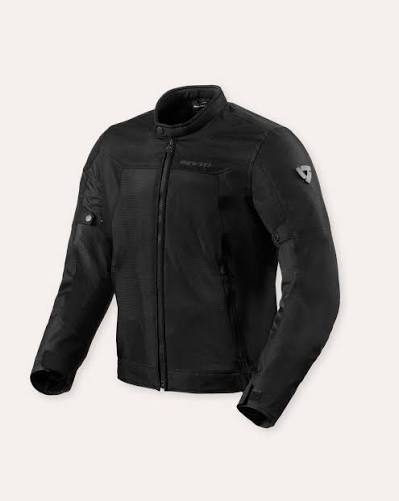
Rev'it Eclipse 2 Jacket
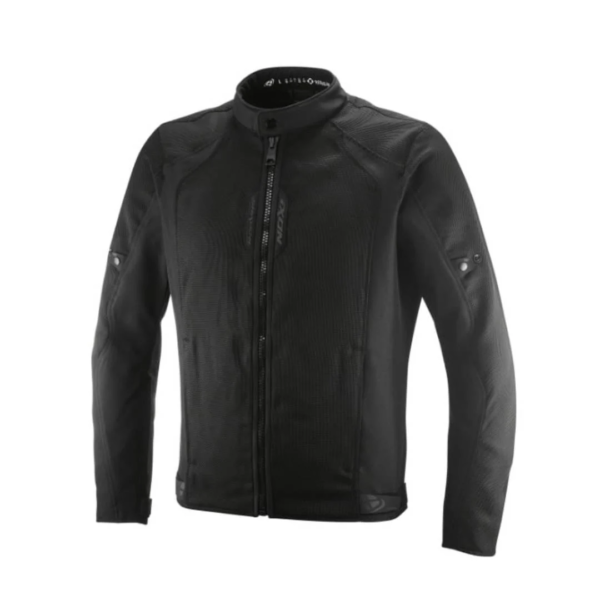
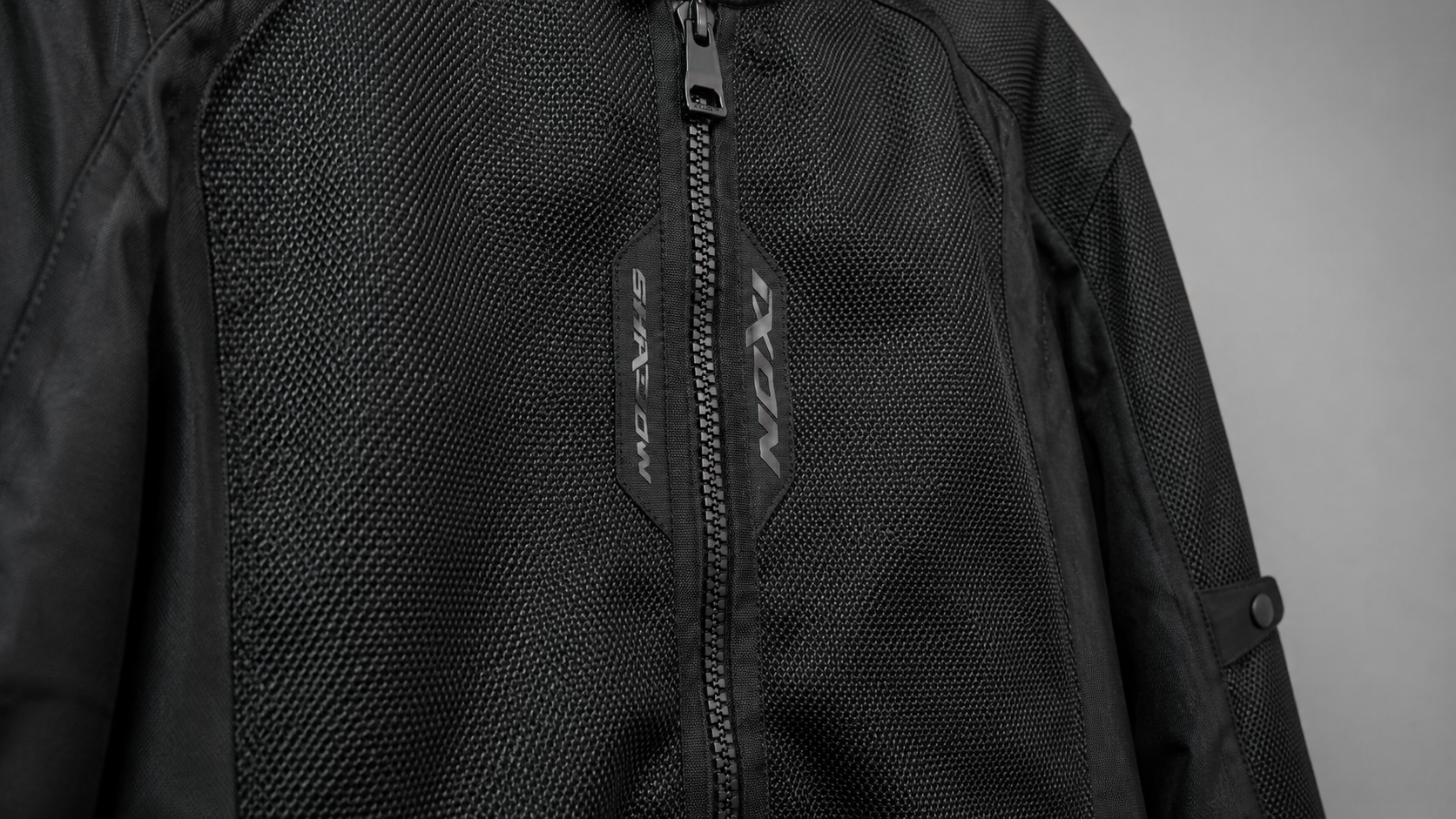
IXON M-SHADOW
The SHADOW is designed for riders who ride in peak summer conditions without reducing their level of protection. Its ultra-ventilated Hard Mesh construction, combined with CE Class AA certification, delivers a demanding balance between maximum airflow and abrasion resistance. Lightweight, breathable and road-oriented, the SHADOW is for those seeking a high-performance summer jacket with no compromise on safety.
It’s boring to write about compared to a highway blast, but it’s the condition that actually decides which jacket you’ll reach for on a random Tuesday. So that’s the lens for this whole comparison. Real kilometers, real traffic, no spec sheet shortcuts.
Why I’m Comparing These Two
I’ve already reviewed both jackets individually, the Eclipse 2 here and the M-Shadow here. After both went up, I kept getting the same question from riders: which one should I actually buy if I’m choosing between them. Fair question, and one worth answering properly instead of pointing at two separate reviews and shrugging.
They sit in the same price bracket and solve the same problem on paper. Both fit Filipino body types without the usual “borrowed my dad’s jacket” look you get from a lot of imported gear. That alone makes them a genuinely close call for most riders shopping this category.
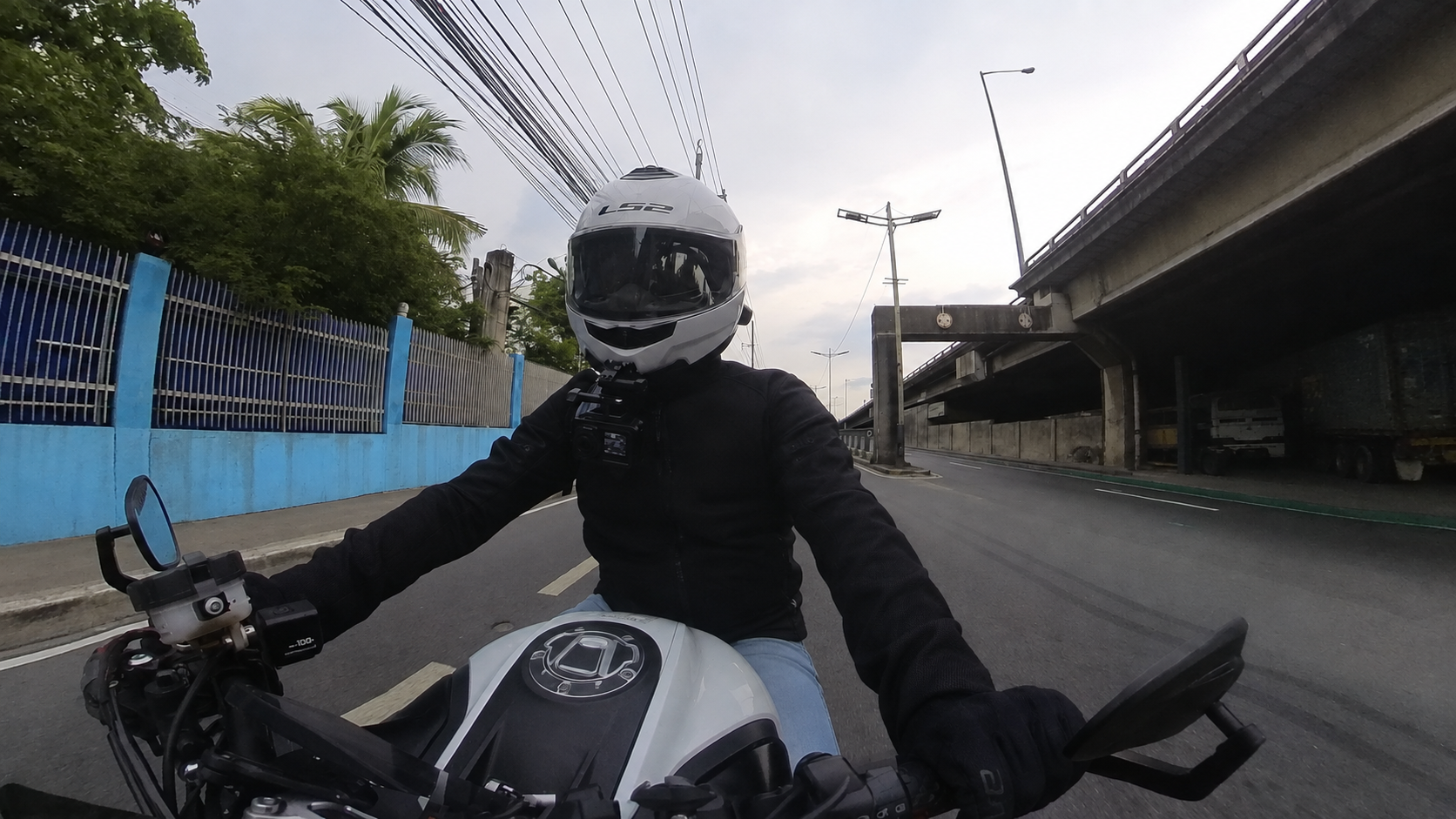
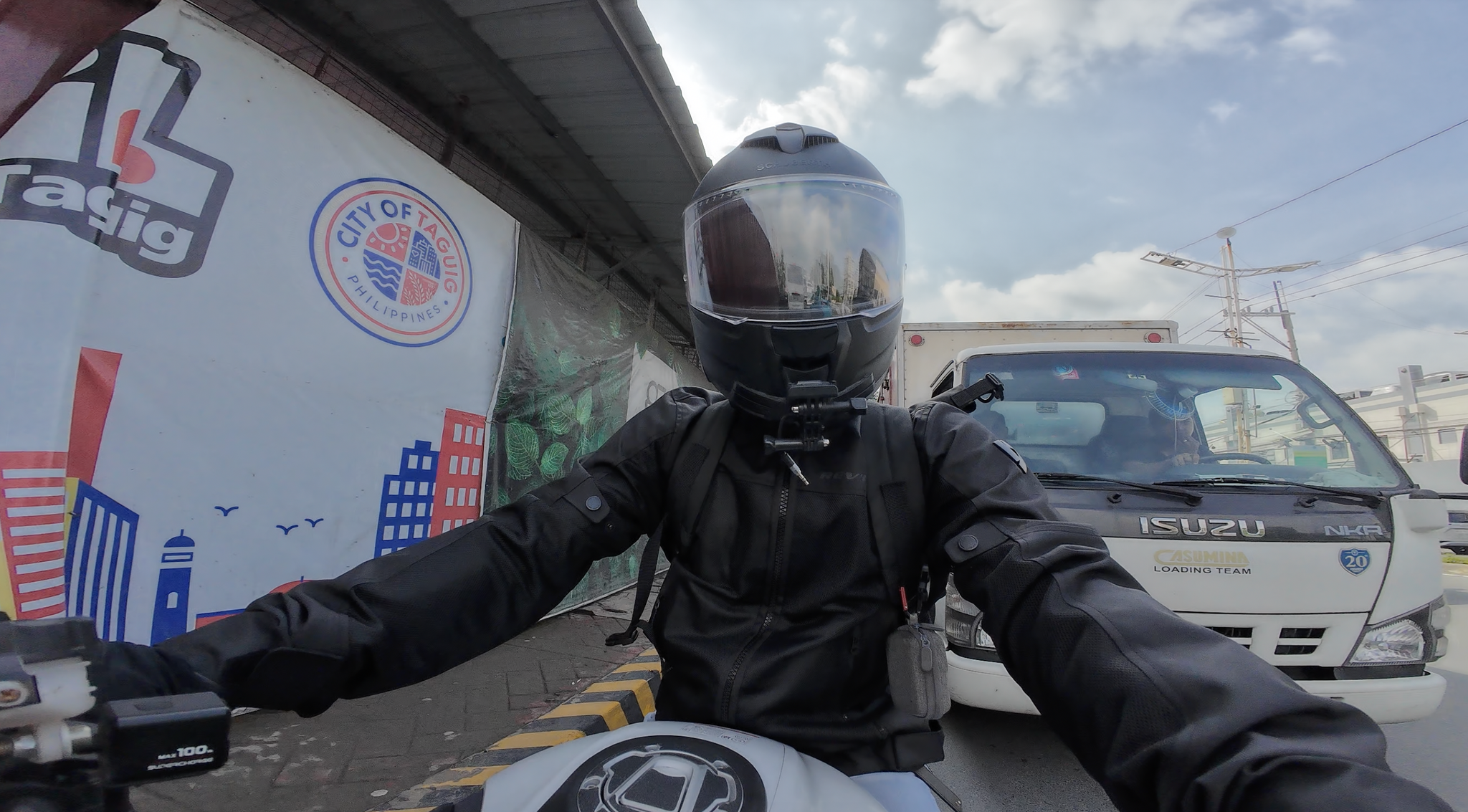
So here’s the direct answer, based on actual kilometers in both jackets. Not marketing copy, not a spec sheet comparison. Just what happened when I actually wore them.
How I Actually Tested These
I didn’t just wear each jacket around the block once and call it a review. Both went through daily commuting, a handful of Skyway runs, and the kind of provincial weekend ride where you’re exposed to sun for hours without a break. That’s the only way to actually catch the differences that matter.
I also made a point of wearing each one in the exact same conditions where possible, back to back within the same week, so the comparison wasn’t skewed by one catching a cooler day than the other. Manila weather doesn’t always cooperate with that plan, but I got close enough that the airflow gap I’m about to describe isn’t a fluke of timing. It showed up consistently, ride after ride.
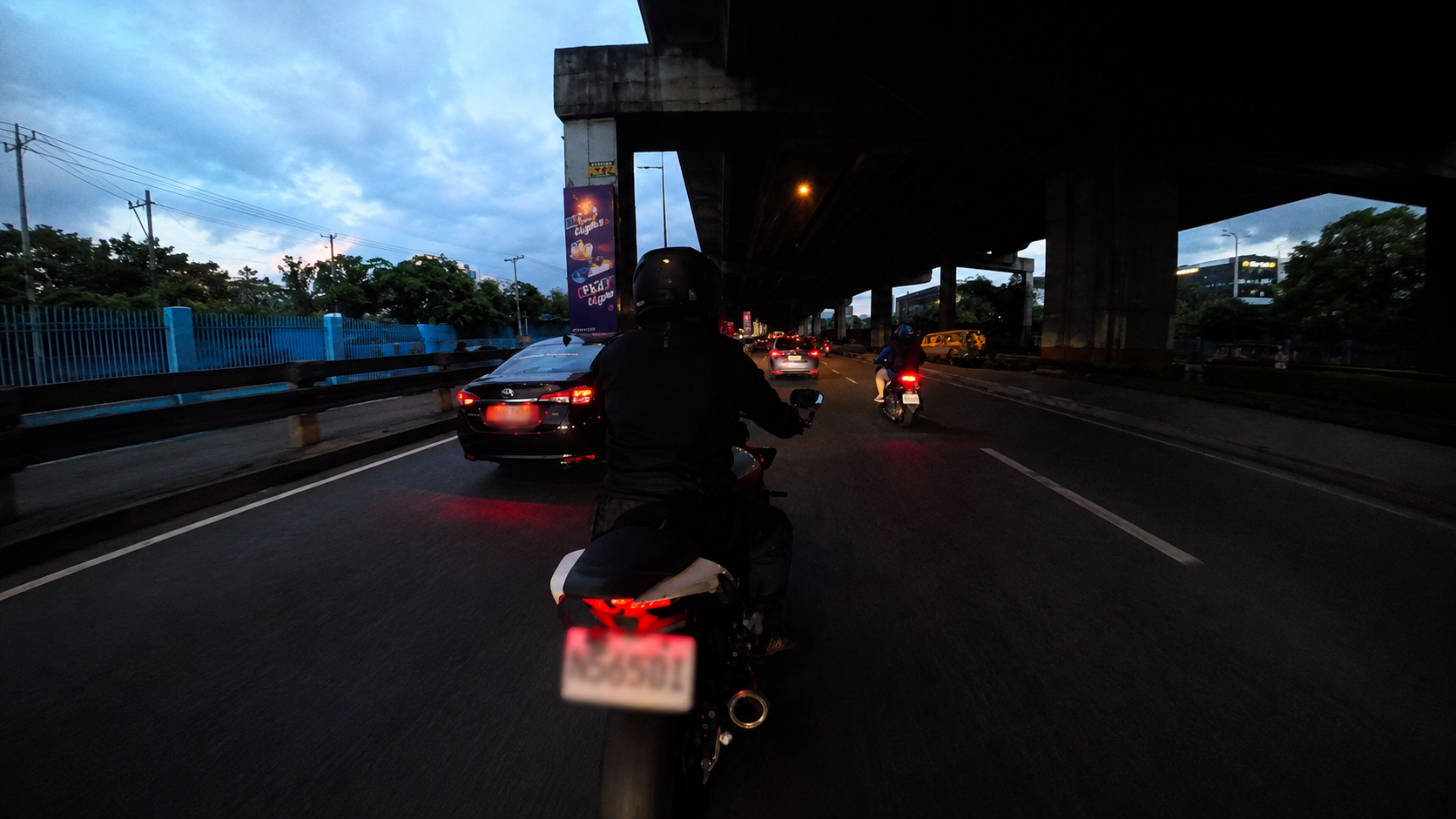
The goal wasn’t to find a jacket that wins on paper. It was to find the one that actually changes how your ride feels after an hour in traffic. That’s the standard both jackets got held to, and it’s the standard this whole comparison is built around.
The Fit: Closer Than You’d Expect From Two European Brands
Neither of these is an Asian brand, so I went into both expecting the usual fit struggles. Sleeves too long, torso too roomy, armor sitting somewhere that isn’t your actual elbow. Neither one gave me that problem.
The Eclipse 2 sits close to true-to-size with just enough room to layer a shirt underneath without turning boxy. It doesn’t hang off the shoulders or bunch up at the waist when you’re tucked into riding position. The M-Shadow lands in almost the same place, and if anything it’s slightly more forgiving day-to-day.
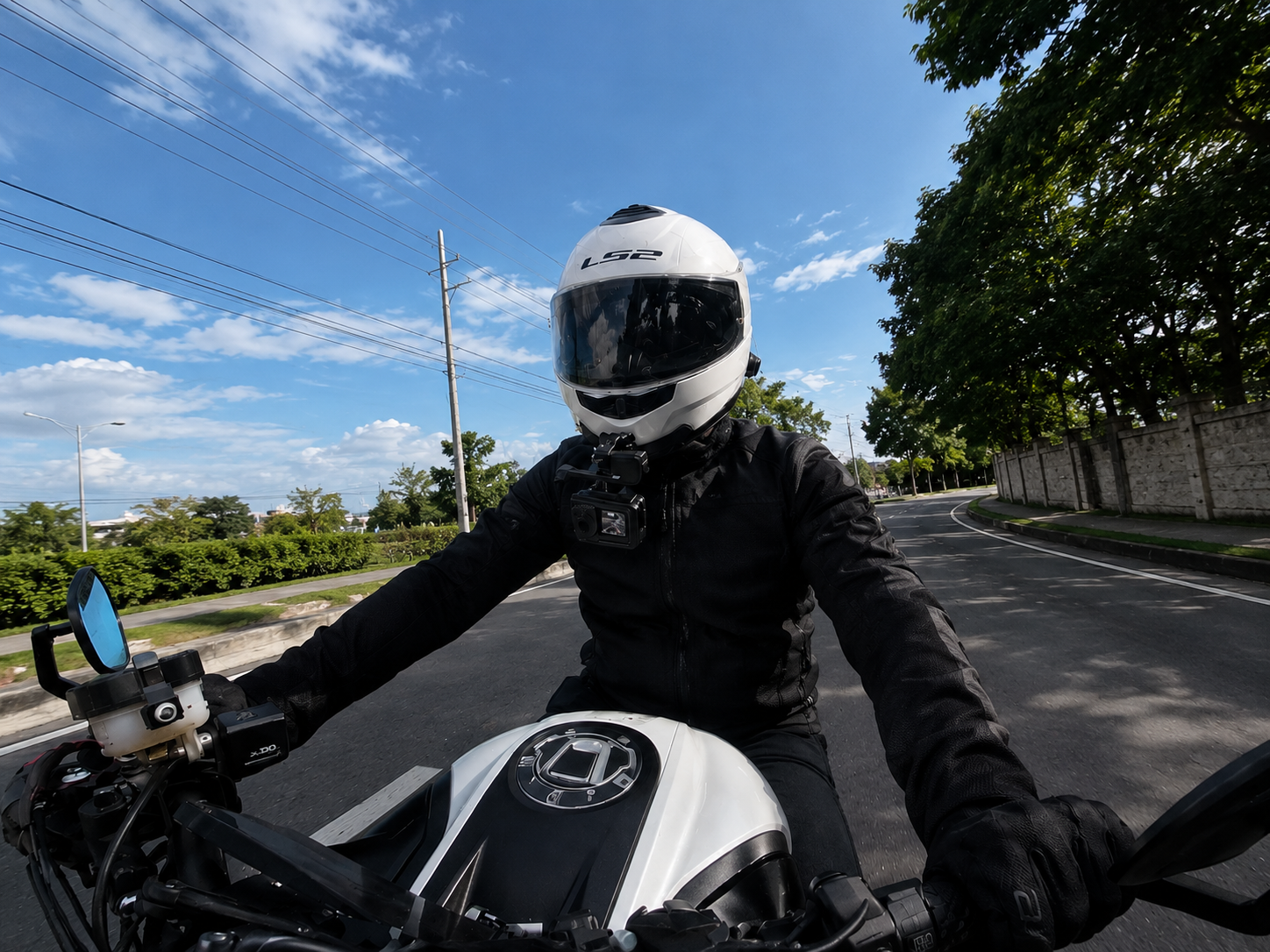
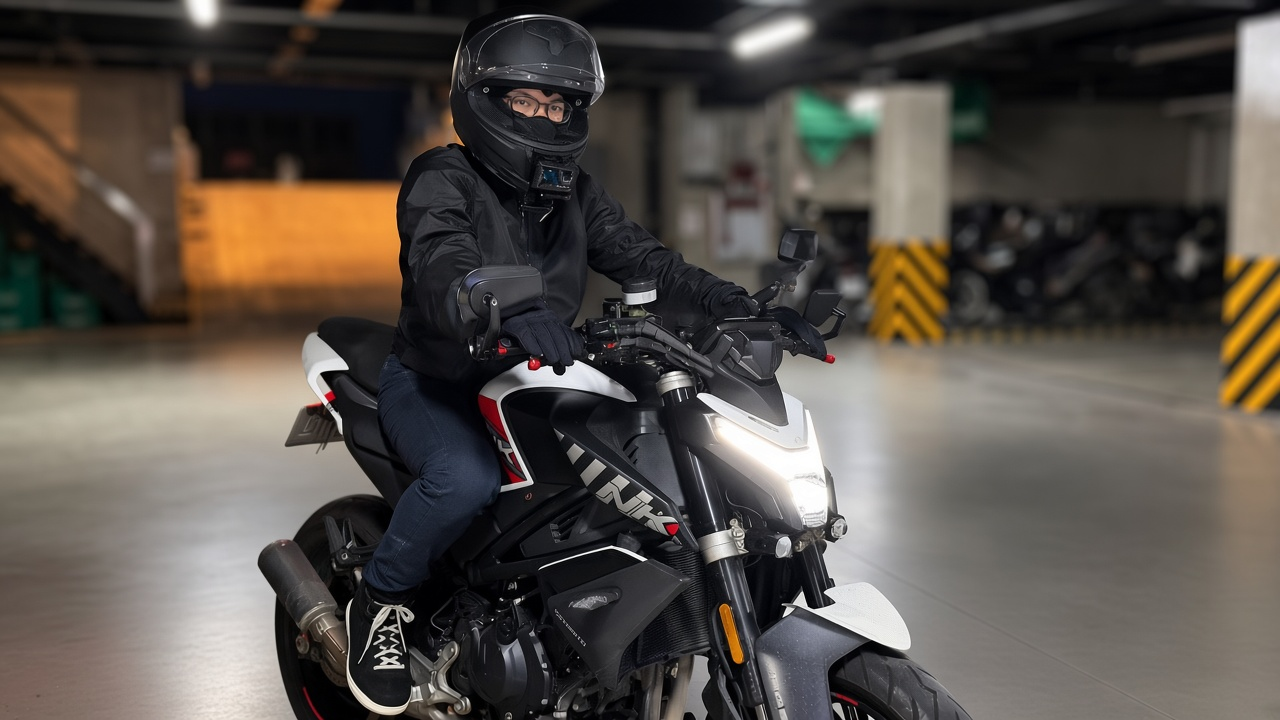
That’s partly because it doesn’t scream “motorcycle jacket” the way a lot of armored gear does, which is part of why it works walking straight into an office. If fit alone were the deciding factor, I’d call this one a wash. It isn’t, though, because fit was never actually the problem with either jacket.
Airflow Is Where They Actually Split
This is the whole comparison, honestly. Everything else here is a footnote next to this one category. I’ve tested enough “ventilated” mesh jackets to know that most of them sell you airflow on a spec sheet and quietly stop delivering the moment you’re crawling through traffic instead of blasting down NLEX.
The M-Shadow falls into that trap a little. It genuinely ventilates well once you’re moving, and the Hard Mesh panels across the chest, back, and arms do real work at speed. But the moment traffic stops, so does most of that airflow, and it runs noticeably warmer than its reputation suggests.
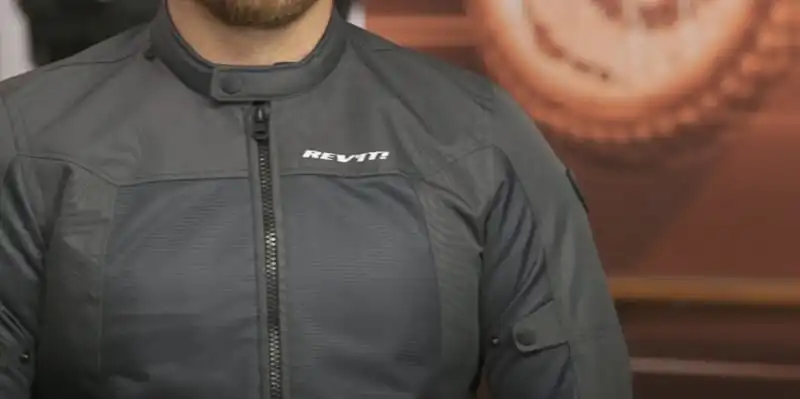
The Eclipse 2 doesn’t have that gap. Even sitting dead-stopped in EDSA traffic, there’s still air moving through it, which nobody else in this price range consistently manages. It’s not some miracle, and nobody beats Philippine humidity completely, but the difference at a red light between these two jackets is real and repeatable.
Why Dead-Stop Airflow Matters More Than Highway Airflow
It’s worth explaining why I keep coming back to this one specific condition instead of treating all airflow as equal. At highway speed, almost every mesh jacket on the market performs reasonably well, because wind is doing most of the work for you regardless of panel placement. The differences between jackets shrink dramatically once you’re moving at sixty kilometers an hour or more.
Manila riding isn’t that, though. A typical commute here means long stretches of stop-and-go, entire minutes spent completely stationary between EDSA intersections, and a lot of time spent filtering at walking pace rather than cruising. That’s precisely the condition where a jacket’s actual mesh design, not its marketing photos, gets exposed.
This is why the Eclipse 2’s dead-stop performance carries so much weight in this comparison. It’s not testing an edge case. It’s testing the condition most Metro Manila riders actually spend the majority of their commute in, which makes it arguably the single most relevant metric in this entire review.
Protection: Both Bring the Real Thing
Neither jacket treats armor as an afterthought. The Eclipse 2 uses SEESMART CE Level 1 protectors at the shoulders and elbows, built into 600D polyester at the impact zones. There’s also a pocket ready for an optional Level 2 back protector if you want to add one later.
The M-Shadow goes a step further on paper, carrying CE Class AA certification, one tier above the Eclipse 2’s Class A rating. It pairs that with Fanom SEKA_1 CE Level 1 protectors doing the same job at the shoulders and elbows. On a spec sheet, that’s a genuine point in its favor.
In practice, I didn’t feel a meaningful difference wearing either one. Both stayed out of the way and neither shifted around during a ride, even after hours in the saddle. If you care about the certification number on the tag, the M-Shadow edges it, but on real-world feel I’d call this one even.
Weight, Adjustability, and All-Day Comfort
Neither jacket feels heavy on the bike, which matters more than people expect once you’re two hours into a ride. The Eclipse 2’s adjustment points at the waist, cuffs, and biceps let you cinch it down enough that it stops flapping at speed, which cuts down on road noise and the general sensation of fighting your own gear. Once dialed in, it disappears in a good way.
The M-Shadow offers a similar range of adjustment at the wrists, biceps, and waist, and it settles into a comfortable fit after the first few rides without needing constant readjustment. Neither jacket forced me to fuss with straps mid-ride, which is really the bar you want any adjustable jacket to clear. Both pass it without much drama.
Where they differ slightly is in how the fit feels after long stretches in the saddle. The Eclipse 2’s slightly more structured cut keeps its shape better on a four-hour provincial ride, while the M-Shadow’s softer feel is more noticeable on shorter city hops where you’re getting on and off the bike constantly. Neither is uncomfortable. They’re just tuned for slightly different rhythms of riding.
Living With Them Day to Day
This is where the M-Shadow quietly wins some points back. It’s got a waterproof pocket built into the back that’s just big enough for a phone, and that sounds small until you’re caught in a sudden downpour. Your phone stays dry without you thinking about it once, which matters more than it sounds on paper.
It’s also understated enough that I’ve worn it straight into meetings without anyone clocking it as riding gear first. The Eclipse 2 doesn’t have that waterproof pocket, and it doesn’t disappear into office wear quite the same way. What it does instead is remove hesitation, because I already know the answer to “will this be too hot today” before I even put it on.
A jacket that removes that hesitation from your daily routine is a jacket that actually gets worn. One that makes you think twice ends up back in the closet after the first humid week. That’s the trade-off between these two, in plain terms.
Price and Value
Neither of these is a budget jacket, and that’s worth being upfront about before anyone assumes this comparison is about cheap versus expensive. Both sit at a price point where you’re paying for actual engineering, not just a mesh panel stitched onto a basic shell. If your budget doesn’t stretch to either one, the Komine JK-181 remains the jacket I point riders toward first.
Between the two, the value conversation comes down to what you’re actually optimizing for. If dead-stop airflow is worth paying for, the Eclipse 2 earns its price on that one feature alone, because it’s solving a problem the M-Shadow genuinely has. If you’d rather have the higher CE Class AA rating and the waterproof phone pocket as your priorities, the M-Shadow’s price makes just as much sense.
Neither jacket feels like it’s overcharging you for a badge. Both put the money into something you can actually feel on the bike, whether that’s armor, adjustability, or airflow. That’s the bar any jacket at this price should clear, and both of them do.
Quick Answers to What Riders Keep Asking
Which one runs cooler overall? At highway speed they’re close enough that most riders wouldn’t notice a difference. In actual Manila traffic, the Eclipse 2 pulls ahead clearly, and that’s the condition most of us deal with daily.
Can I use either one for a long provincial ride? Yes, both held up fine on multi-hour rides without any complaints about fatigue or hot spots. The Eclipse 2’s slightly more structured fit held its shape a little better over four-plus hours in the saddle.
Is the higher CE Class AA rating on the M-Shadow something I should actually worry about? It’s a genuine spec advantage, and if certification numbers matter to you, factor it in. In practical terms, both jackets protected me the same way in normal riding, so I wouldn’t let this single number make the decision for you.
So Which One Should You Actually Buy
If your riding is mostly Metro Manila commuting, real stop-and-go, real dead-stop traffic, real EDSA at rush hour, then get the Eclipse 2. The airflow advantage isn’t a marginal spec-sheet win. It’s the exact condition that breaks most mesh jackets, and the Eclipse 2 just doesn’t break there.
If you want one jacket that rides well and also works walking into your actual job afterward, the M-Shadow is a completely legitimate pick. That’s especially true if your commute leans more toward open road than gridlock. You’re trading a bit of low-speed airflow for a jacket that does double duty better than almost anything else at this price.
Rev'it Eclipse 2 Jacket
IXON M-SHADOW
The SHADOW is designed for riders who ride in peak summer conditions without reducing their level of protection. Its ultra-ventilated Hard Mesh construction, combined with CE Class AA certification, delivers a demanding balance between maximum airflow and abrasion resistance. Lightweight, breathable and road-oriented, the SHADOW is for those seeking a high-performance summer jacket with no compromise on safety.
Neither one is the wrong answer, and both earned their spot in this comparison fairly. But if I had to hand one jacket to a rider who commutes through Manila traffic every single day, I’m handing them the Eclipse 2 first. I’ve already explained exactly why.
Read the full breakdowns: Rev’it Eclipse 2 Review and Ixon M-Shadow Review
If budget is the real constraint here, see how both stack up against the Komine JK-181, the pick I keep recommending to riders who want protection without European pricing.