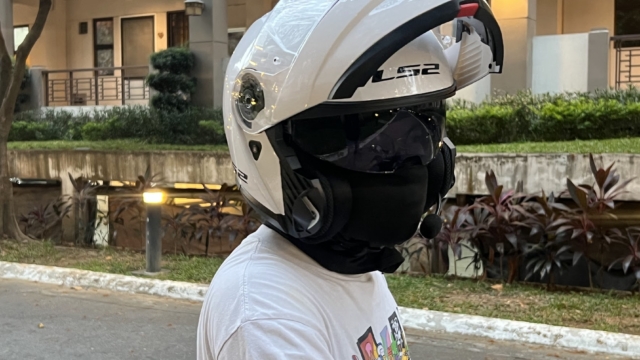
The full-face touring helmet market is full of options promising quiet rides, great ventilation, and premium comfort, but very few deliver on all three at once. Riders need a helmet that disappears on the head while keeping distractions at a minimum. Oversized or poorly engineered lids create fatigue, noise, and discomfort that pull you out of the ride before you even reach the fun part.
Enter the Shoei GT-Air 3, which I’ve been testing across city commutes and long highway rides. The GT-Air 3 is designed with the actual riding experience in mind, from its aerodynamic shell to its pre-cut wiring channels and genuinely usable internal sun visor. This helmet stands out for its refinement, attention to detail, and how well it handles everyday riding.
Shoei GT-Air 3
A premium touring helmet with an aerodynamic AIM+ shell, integrated internal sun visor, Pinlock-ready visor, micro ratchet buckle with stainless steel teeth, and pre-routed Sena SRL3 wiring channels. Built for all-day comfort on sport, naked, and touring bikes.
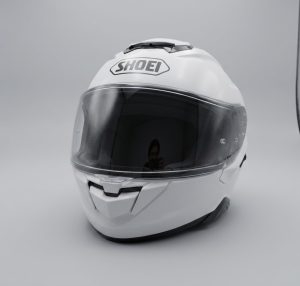
What makes the GT-Air 3 especially compelling is that it focuses on doing the fundamentals exceptionally well. Noise reduction, ventilation, fit, and visor quality are all dialed in. The construction details like the micro ratchet buckle and integrated wiring channels show that Shoei was thinking about riders when they designed this lid.
Understanding What You Actually Need from a Touring Helmet
Before diving into the specifics, it’s worth asking: what do you really need from a full-face helmet for daily and highway riding? Whether you’re on a naked bike, a sport bike, or a classic, your priorities differ greatly from someone on a fully-faired adventure tourer. The use case shapes everything, from noise tolerance to ventilation needs.
The essentials are straightforward: a quiet ride, reliable ventilation, a fog-resistant visor, comfortable long-distance fit, and practical features like integrated sun visors and clean intercom wiring. These are the things that matter on a three-hour expressway run, not just a 20-minute test ride. Getting these basics right is what separates a good helmet from a great one.
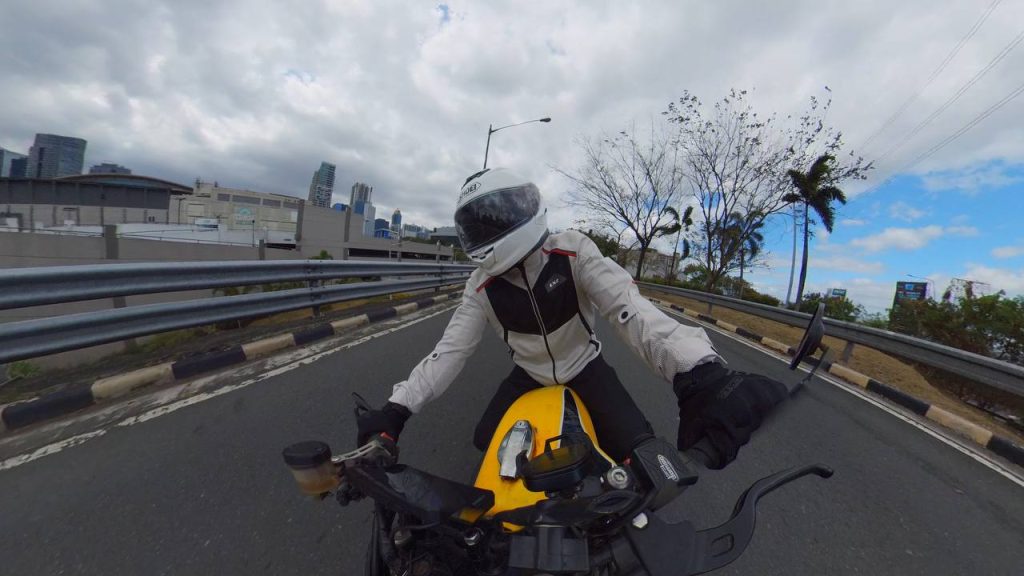
The GT-Air 3 delivers those core qualities with precision and confidence. After spending time with it across different ride types, it’s clear that Shoei engineered this helmet by thinking about where and how people actually ride, not just what looks impressive on a spec sheet.
Shell Sizes: Why It Actually Matters for Fit and Safety
One detail often overlooked in helmet reviews is shell sizing, and the GT-Air 3 handles this better than most at its price point. Shoei produces the GT-Air 3 across three distinct shell sizes: a smaller shell covers XS and S, a mid shell covers M and L, and a larger shell covers XL and XXL. Each helmet is proportionally shaped to the head it is meant to protect.
This matters for both aesthetics and safety. A size S helmet in a single-shell design looks bulky and sits high, affecting both appearance and airflow. With a dedicated smaller shell, the GT-Air 3 looks proportional at every size and distributes impact energy more efficiently since the geometry matches the head it protects.
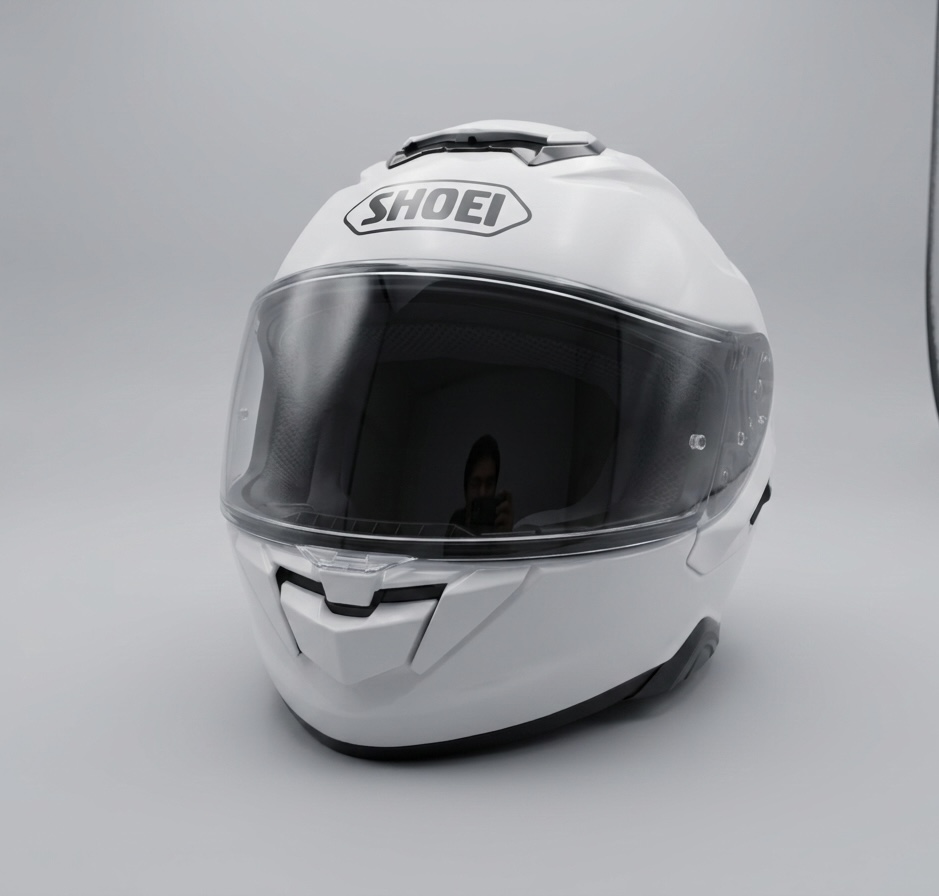
If you are between sizes or buying online, it is worth knowing which shell your size falls into. Riders between S and M should try both in person, since M sits on the larger mid-shell and the fit feel can differ noticeably. The shell geometry is fixed, so getting it right from the start is a decision that pays off every single ride.
Helmet-mounted cameras require stable lids. See how the DJI Osmo Action 5 Pro motovlog review performs when mounted on a motorcycle helmet.
Aerodynamics and Noise: The GT-Air 3’s Strongest Suit
The GT-Air 3 is, without question, one of the quietest helmets I’ve worn. Testing it across city rides and highway stretches without earplugs, the helmet kept noise at a level that felt genuinely comfortable. At cruising speeds, wind noise fades into the background rather than competing with your thoughts or music.
Shoei’s AIM+ shell construction actively manages airflow around the sides and top, reducing turbulence that translates into noise. There are subtle indentations along the sides and back of the shell that you barely notice visually, but on the road you can feel how smoothly the helmet glides through the air.
I pushed the GT-Air 3 to 110 kph and yes, there is wind noise at that speed. But the important part is that it is not loud. It’s an ambient hum, not the kind that leaves your ears ringing after an hour. Everyone except the most noise-sensitive riders will find this a significant step up from the competition.
Ventilation: You Can Actually Feel It Working
The GT-Air 3’s chin vent passes the test immediately. Open it up and you feel actual, palpable air moving across your face and through the interior of the helmet, not just a vague temperature change. It is immediately apparent, not something you have to convince yourself to feel.
What genuinely impressed me is the performance even at low speeds. At 30 kph and below, I did not feel hot or sweaty at all inside the helmet. Most full-face helmets struggle here, with heat building up quickly in city traffic. The GT-Air 3 keeps things moving even when you are barely moving yourself.
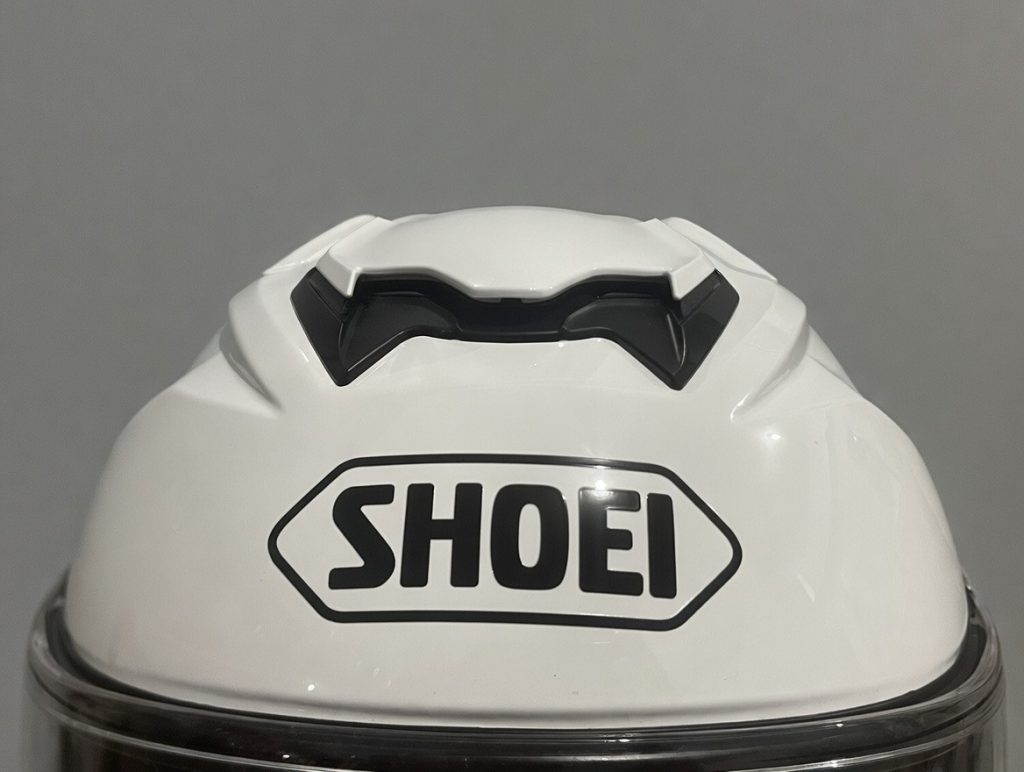
There is also a two-stage vent on the forehead and two exhaust vents at the top of the shell. Airflow runs across the full interior before exiting at the back. As a secondary benefit, the chin vent also actively helps reduce visor fogging by pushing air upward across the inner surface of the visor.
Check out the Best Ventilated Motorcycle Helmets 2026 – Road Tested for Hot Weather guide – it ranks top helmets for insane Philippine summer airflow
Visor and Fog Management: Almost Perfect
Without a Pinlock insert installed, there is minor fogging on the GT-Air 3’s visor. In slow traffic or when you first put the helmet on, you will see some moisture gather on the inside of the visor. It is something you will encounter in different conditions, so it’s worth being upfront about.
The good news is that the fogging is minor and manageable. It is not the blinding fog you get on cheaper helmets. It clears itself once you start moving and the ventilation kicks in. In cool early-morning conditions or high humidity, it is worth being aware of.
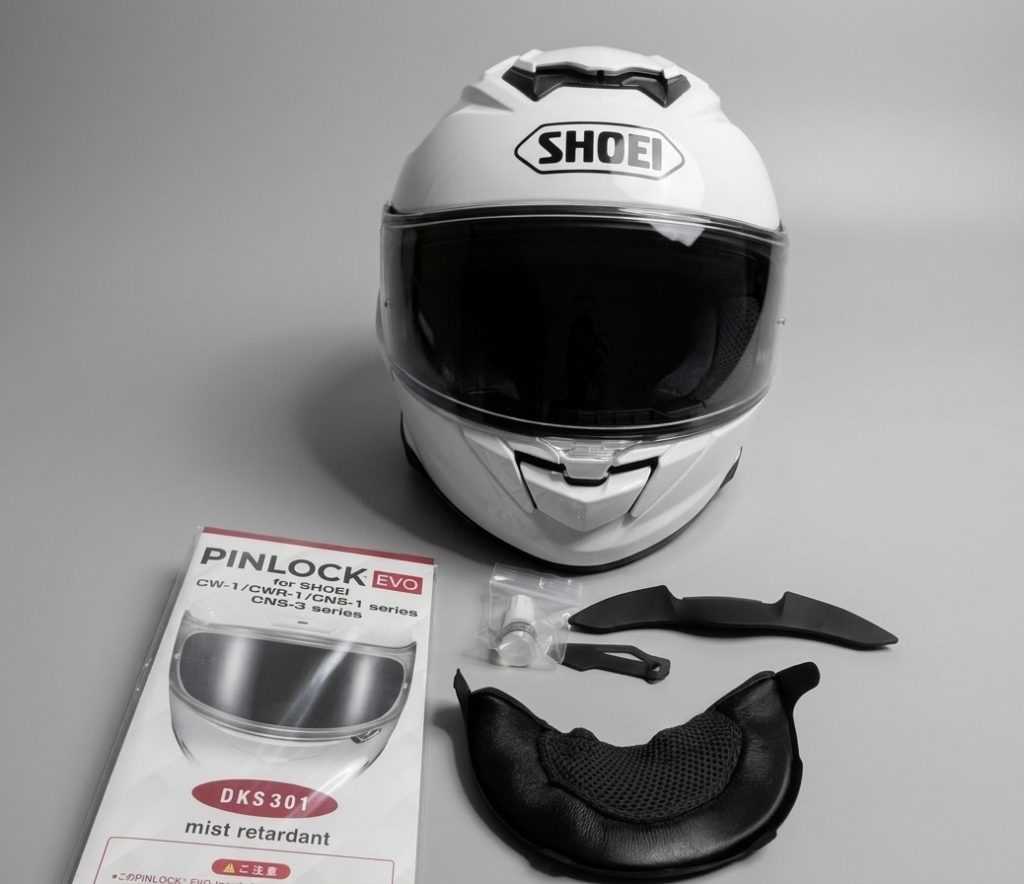
The fix is simple: install the Pinlock. Once the insert is in, the visor stays crystal clear across all conditions. It is not optional, it is part of the complete package. The internal sun visor is also worth highlighting, as the tint is noticeably darker than expected and does a genuinely good job cutting glare without making shaded sections too dark.
What actually happens in practice is much more minor than typical visor fogging. The Shoei GT-Air 3 does not fog across the entire visor. Instead, you may only notice a small patch forming around the nose area when you exhale through your nose while stationary. This happens because warm breath hits the lower part of the visor, not because of poor ventilation.
Once you start moving, that small fogged area disappears almost immediately as air begins flowing through the chin vent and across the visor. Even at low city speeds, the airflow is enough to clear it quickly. The video below shows how minimal the fogging actually is and how the helmet’s ventilation handles it in real riding conditions.
A Small Quirk: The Center Visor Tab
On the GT-Air 3, Shoei moved the visor tab to the center of the visor, making the mechanism ambidextrous in theory. In practice, you need to press a button before you can lift the visor. With the chin ventilation system nearby, the action is less instinctive than a traditional side tab.
After a few rides it becomes familiar and it is not a dealbreaker. But if you are upgrading from an older Shoei or a helmet with a side tab, expect a short adjustment period. The center tab is cleaner-looking and works reliably, it just takes a little more deliberate action.
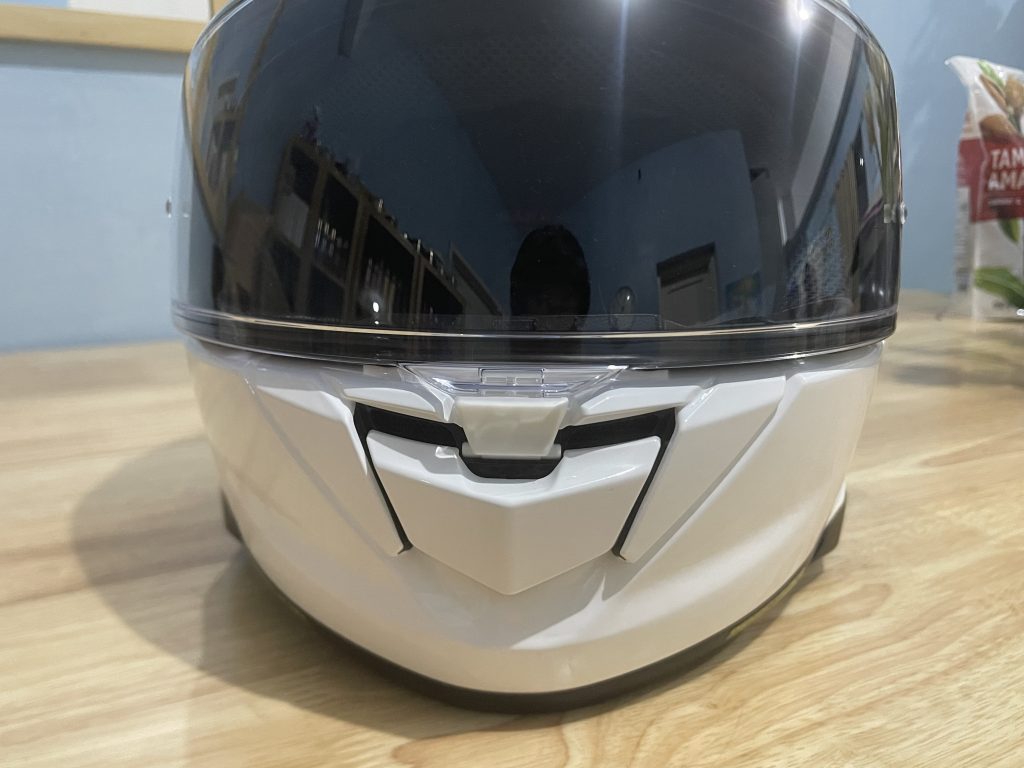
If you plan to mount a camera on the front of the helmet, the tab and button placement may interfere with that setup. It is worth checking your mount configuration before committing. For most riders without front-mount hardware, this is a non-issue.
Another small detail on the Shoei GT-Air 3 is the more secure visor locking system. The center lock requires a press before lifting, but it helps prevent the visor from opening at high speeds or strong wind. After a few rides, the press-then-lift motion becomes natural even with gloves.
The visor system also benefits from improved sealing around the shield, helping reduce wind noise and water entry during rain. This contributes to the helmet’s quiet, premium sport-touring feel, especially on longer rides. For many riders, it’s a small refinement that improves overall comfort and reliability.
Comfort: Long-Distance Ready from Day One
The GT-Air 3 fits snug, tighter than some riders might expect at first fitting. But the GT-Air 3 is snug without being painful. After multiple rides including longer expressway stretches, I have not felt any cheek pressure or discomfort whatsoever.
The interior padding is shaped intelligently to distribute pressure across the widest possible surface area. There are no hot spots, no pressure points, and no fatigue after an hour in the saddle. For riders who have suffered through poorly-padded helmets, this is immediately noticeable from the very first ride.

Whether filtering through city traffic or covering highway distance, the GT-Air 3 handles prolonged wear well. Multiple hours of riding produce no pressure points or neck fatigue. It simply stays out of your way, which is exactly what you want on a long day out.
Build Quality and Hardware: Details That Matter
The retention system uses a micro ratchet buckle, Key components are made from stainless steel, giving the buckle firm, reliable strength. The mechanism is designed so it cannot be accidentally released unless the tab is fully lifted, which is an important safety detail.
The micro ratchet is also notably easy to operate with gloves on. The two stainless steel teeth lock in cleanly without fiddling, and once secured there is no play and no shifting, just a firm, consistent fit every time.
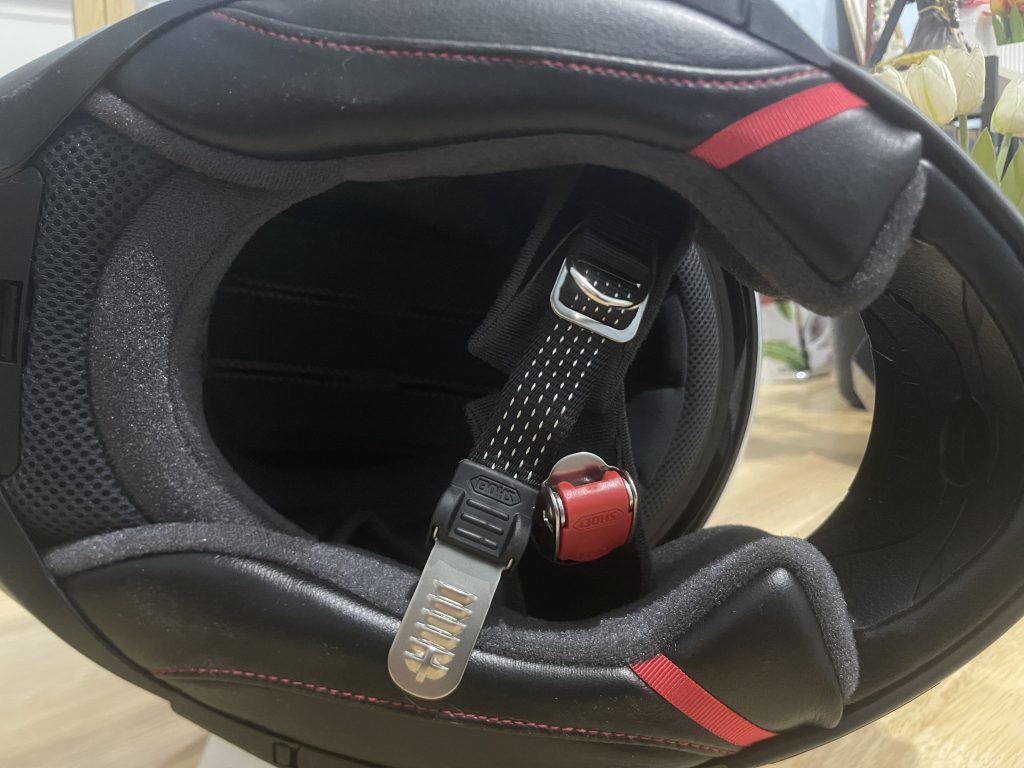
The pre-cut wiring channels route speaker and microphone wiring cleanly through the liner. There are no awkward bumps against your ears and no exposed wiring on the outside of the helmet. It is a small detail that makes a big difference when keeping your setup clean and functional.
Safety Features Worth Knowing
The GT-Air 3 includes a cheek pad emergency release system with red pull tabs on both sides. First responders can remove the cheek pads before taking the helmet off, which minimizes neck movement in the event of a crash. It is exactly the kind of detail that matters when it matters most.
The micro ratchet buckle can only be released when the tab is fully lifted, preventing accidental unclipping during a ride. It strikes the right balance between secure retention and accessible removal in an emergency.
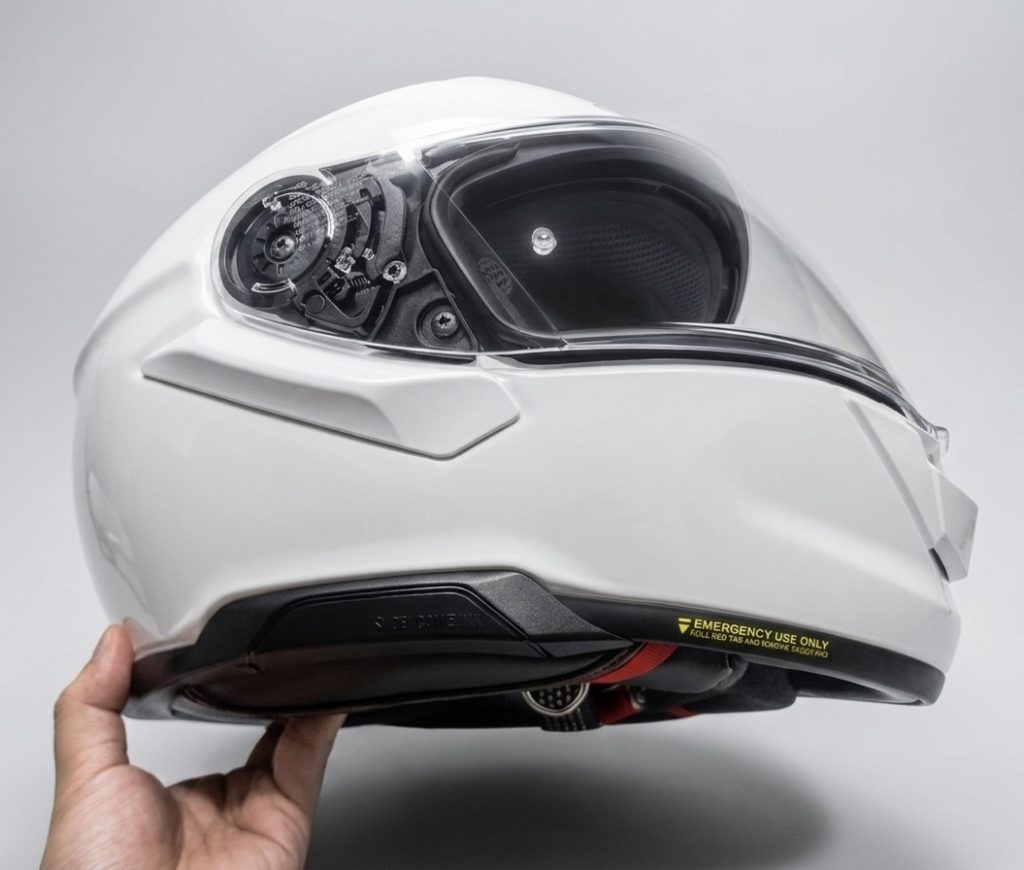
The glasses compatibility on this helmet is also genuinely good. Sliding frames in and out is smooth with no resistance or pressure on the arms. For riders who wear prescription glasses or sunglasses, this removes one more small frustration from the daily riding experience.
The GT-Air 3 and Intercom Integration
The GT-Air 3 is designed with the Sena SRL3 system in mind, featuring pre-shaped speaker recesses, a dedicated intercom cavity, and pre-routed wiring channels. From my experience setting this up personally, the integration really does feel like factory equipment, and it was honestly very easy to install. If you are a Sena user, the install process is genuinely effortless.
For riders using other intercom brands, the pre-cut channels still simplify installation significantly compared to helmets with no built-in routing. The speaker pockets are well-positioned, delivering good audio quality without pressing uncomfortably against your ears.
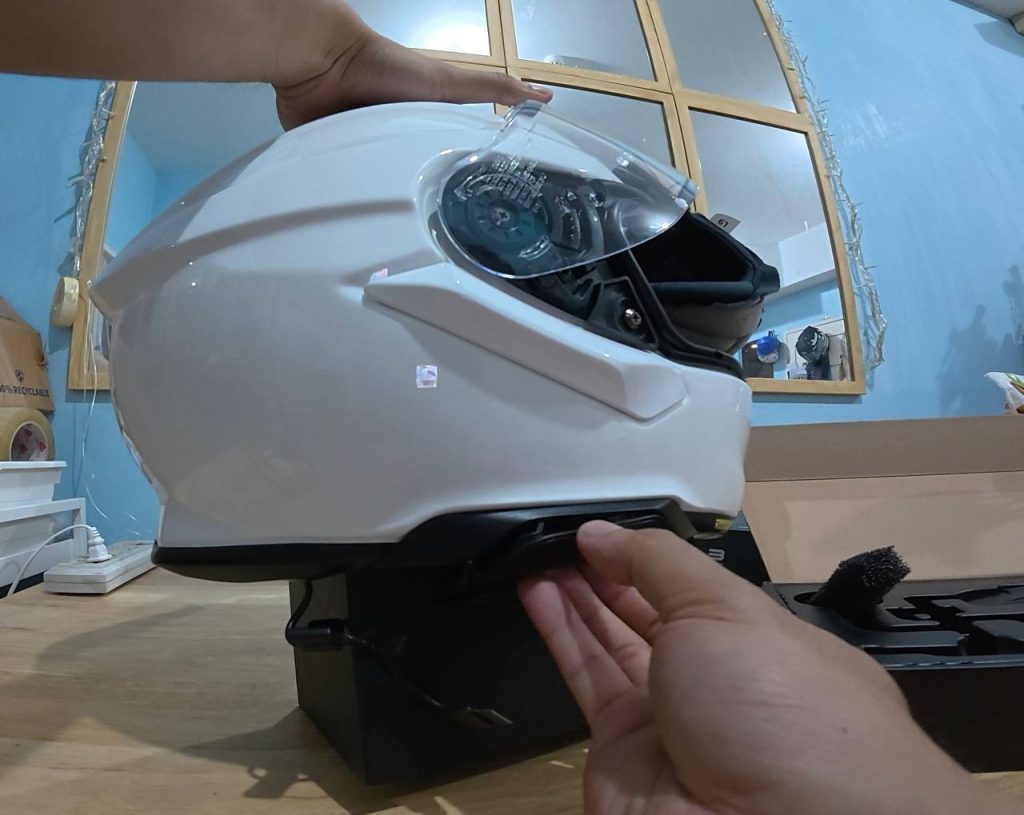
What this adds up to is a helmet that is genuinely communication-ready without modification. Shoei clearly designed the GT-Air 3 with connected riders in mind. For anyone relying on comms for group rides, navigation audio, or phone calls, this is one of the most practical full-face options available.
Is the GT-Air 3 Right for You?
Choose the Shoei GT-Air 3 if:
- You prioritize noise reduction on highway and expressway rides
- You ride in warm climates where chin ventilation makes a real difference
- Long-distance comfort without pressure points is non-negotiable
- You want clean intercom integration with pre-routed wiring
- A darker internal sun visor for sunny conditions matters to you
- Build quality details like a micro ratchet stainless steel buckle are important to you
Consider Other Options if:
- You ride exclusively in cold conditions where maximum ventilation is not needed
- You are looking for the lightest possible helmet, as carbon alternatives exist
- Budget is the primary constraint since this is a premium lid
- You need a peak or visor for adventure or dual-sport riding
- Maximum visor opening speed is critical as the center-mounted tab takes getting used to
Feature Summary
| Feature | Shoei GT-Air 3 Specification |
|---|---|
| Shell Construction | AIM+ multi-fibre composite |
| Shell Sizes | 3 shells: XS-S / M-L / XL-XXL |
| Retention System | Micro ratchet buckle, stainless steel teeth |
| Visor | Pinlock-ready, center-tab release |
| Internal Sun Visor | Drop-down, darker tint |
| Ventilation | Chin vent + 2-stage forehead vent + dual exhaust |
| Intercom Ready | Pre-cut Sena SRL3 wiring channels |
| Noise Level | Exceptionally quiet; manageable at 110 kph |
| Fogging (no Pinlock) | Minor; chin vent helps and Pinlock resolves it |
| Cheek Comfort | Snug fit, zero pressure points |
| Emergency Release | Red tab cheek pad removal system |
| Glasses Compatible | Yes, easy on and off |
Final Perspective
After putting the Shoei GT-Air 3 through its paces across city rides and long highway runs, it earns its reputation as one of the best all-round touring helmets available. The center visor tab will feel unfamiliar at first, but in terms of noise, ventilation, comfort, and build quality, this helmet consistently delivers.
The shell sizing approach alone sets the GT-Air 3 apart from many competitors. A helmet built to properly fit your head rather than approximate a size is a meaningful difference you feel on every ride. Combined with safety features, intercom readiness, and overall refinement, this is a helmet built for genuine long-term use.
Shoei GT-Air 3
A premium touring helmet with an aerodynamic AIM+ shell, integrated internal sun visor, Pinlock-ready visor, micro ratchet buckle with stainless steel teeth, and pre-routed Sena SRL3 wiring channels. Built for all-day comfort on sport, naked, and touring bikes.
Install the Pinlock, set up your intercom through the pre-cut channels, and this helmet essentially disappears on your head. It stops being something you think about and starts being something that just works, ride after ride.