Modular helmets get a bad reputation for weight. The mechanism, the chin bar hinge, the locking hardware it all adds up, and you feel it on your neck after an hour in EDSA traffic. Most riders who switch from full-face to modular come back with the same complaint: it is heavier than I expected, and I feel it by the end of the ride.
The LS2 Strobe II made me question whether that complaint was ever really about weight at all.
On paper, this helmet sits in a weight range that should feel like every other modular I have ridden. In reality, it does not. It rides lighter than that number suggests, and after daily use, the reason became clear: this helmet is balanced in a way that most modulars are not, and balance is what actually matters for how tired your neck feels at the end of a long day.
LS2 Strobe II
A modular helmet with a 90º rotating chin bar built on a Kinetic Polymer Alloy (KPA) shell with AREM rotational energy management. ECE 22.06 P/J certified — usable as both full-face and open-face. Comes with a drop-down sun visor, emergency cheek pad release, 3D laser-cut comfort pads, and a fully adjustable ventilation system.
Then there is the visor situation. I went in expecting to need a Pinlock. I left realizing I was wrong about why fogging happens in the first place.
What You Actually Need from a Modular Helmet in the Philippines
There is a specific set of problems that modular helmets are supposed to solve for Philippine riders. You flip the chin bar up at the gas station, the toll booth, at the drive-through, or when you want to say something to your riding group without taking the whole helmet off. That is the pitch. But if the helmet is so heavy that it punishes you for every kilometer you ride in it, the convenience of the modular mechanism stops mattering.
The real question for a modular helmet in Metro Manila heat is whether it can manage weight distribution across your neck and shoulders, handle heat and airflow in stop-and-go conditions, and keep your visor clear through the kind of temperature changes you get riding from an air-conditioned parking structure into humid morning traffic.
Most modulars in this price range answer two of those three questions reasonably well. The LS2 Strobe II answers all three and it answered the third one in a way I did not anticipate.
Shell and Build: KPA and Why It Matters for Balance
The Strobe II moves away from the thermoplastic HPTT shell of the original Strobe and uses LS2’s Kinetic Polymer Alloy (KPA) a material engineered specifically for energy management flexibility rather than raw rigidity. The shell is designed to flex and absorb on impact rather than transfer the full force through the EPS liner immediately, which is how LS2 achieves ECE 22.06 compliance for rotational energy.
The practical result of the KPA construction is a shell that carries its structure more evenly across the entire helmet profile. This is the part that most reviews skip past in favor of talking about the chin bar mechanism, but it is directly related to why the Strobe II feels lighter than modulars of comparable weight. A helmet that distributes its structure evenly sits differently on your head than one that is front-heavy or crown-heavy. The Strobe II does the former.
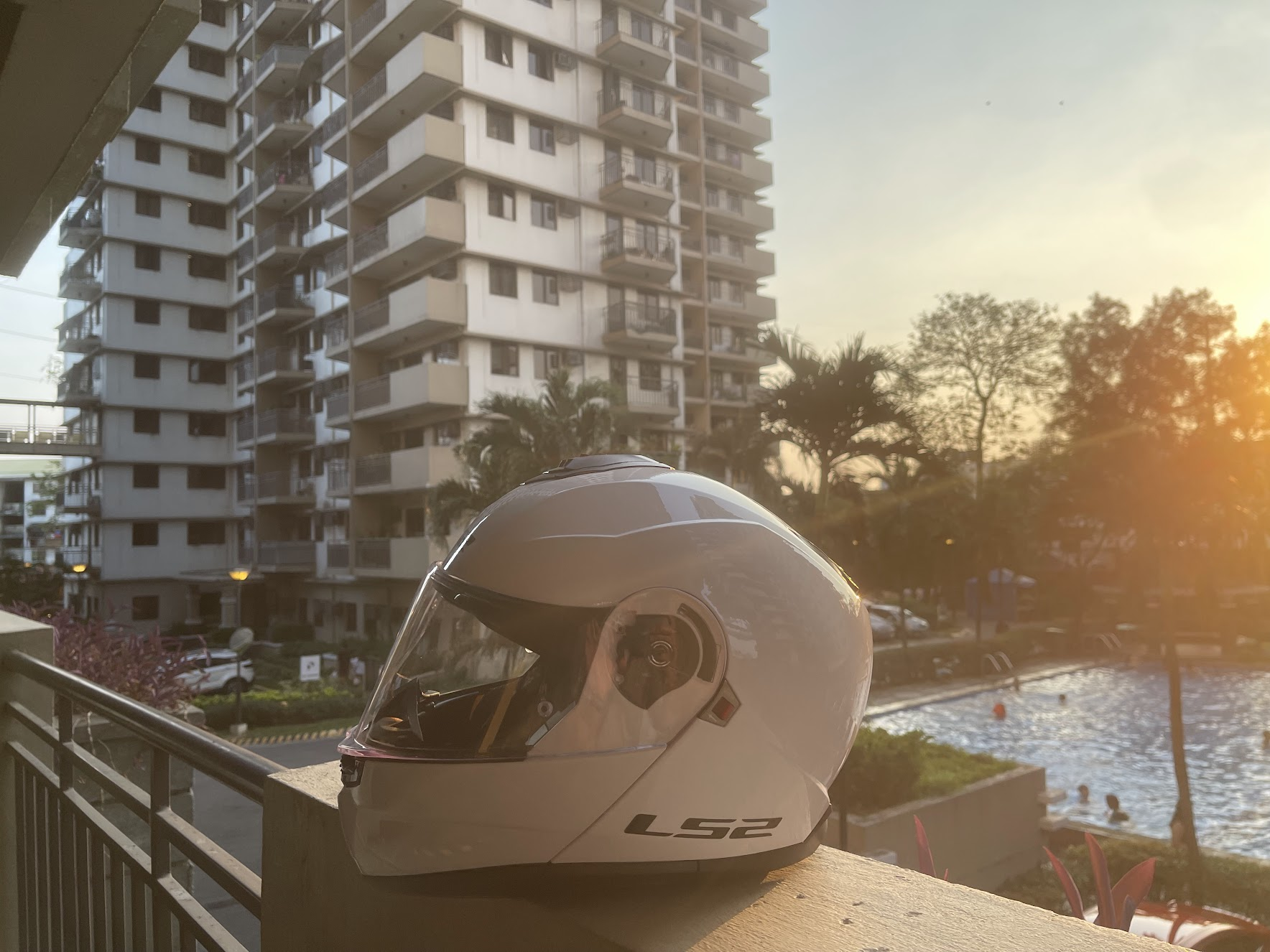
There are three shell sizes across the full XS to 3XL range. Three shells across seven sizes is the right answer for a modular helmet it keeps the proportions compact and prevents the visual bulk that single-shell or two-shell designs carry in larger sizes.
Looking for a full-face option that is also exceptionally have good ventilation? Check out our full Review of Schuberth S3
Weight Distribution: The Reason It Feels Lighter Than It Is
I own another modular helmet. The two helmets are in the same weight class on paper. They are not the same on my neck.
After a full day of city riding with the Strobe II, my neck does not feel the same fatigue it does with the other helmet. This took a few rides to isolate and confirm, because the intuitive reaction is to assume lighter equals more comfortable. But it is not about total weight it is about where that weight sits and how it moves with your head.
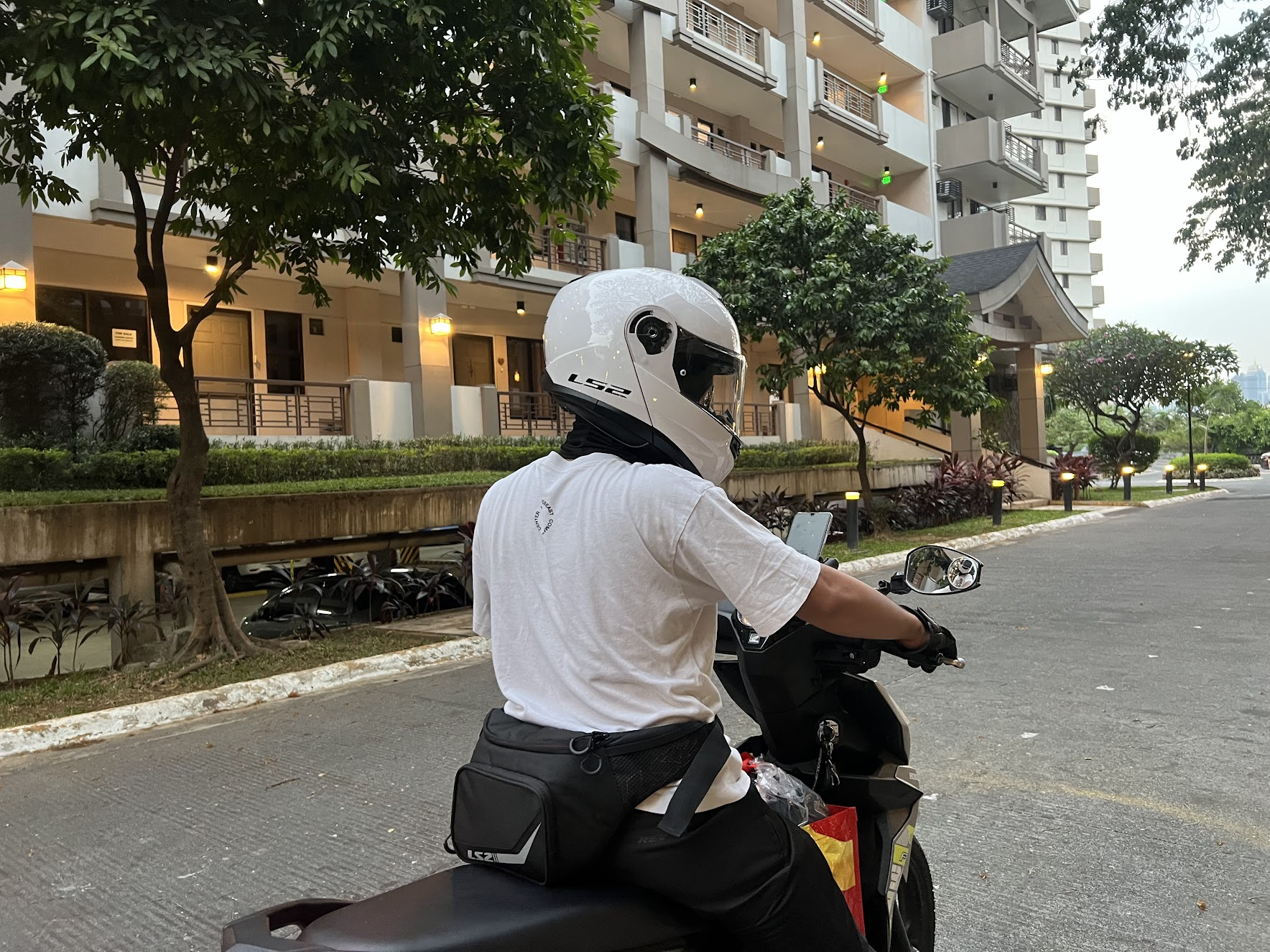
The Strobe II sits centered and stable. There is no forward pull when you look down, no lateral drift on shoulder checks. The chin bar, which is always the heaviest component in any modular design, feels integrated into the overall balance rather than hanging off the front. At highway speed, the helmet tracks your head movement without fighting it.
This is the one you notice most when you are filtering through slow traffic and making constant small head movements to check gaps. After an hour of that, the difference between a well-balanced modular and a front-heavy one is real.
Ventilation: The Chin Vent That Solves the Fogging Problem
Here is what I got wrong going into this review: I assumed the Strobe II would need a Pinlock insert to handle fogging, and I went in expecting to buy one after the first few rides.
That assumption was based on how most modular helmets fog through poor seal management at low speed combined with insufficient airflow to compensate. The standard fix is a Pinlock, and most modular helmets in this segment are designed around the expectation that the rider will add one.
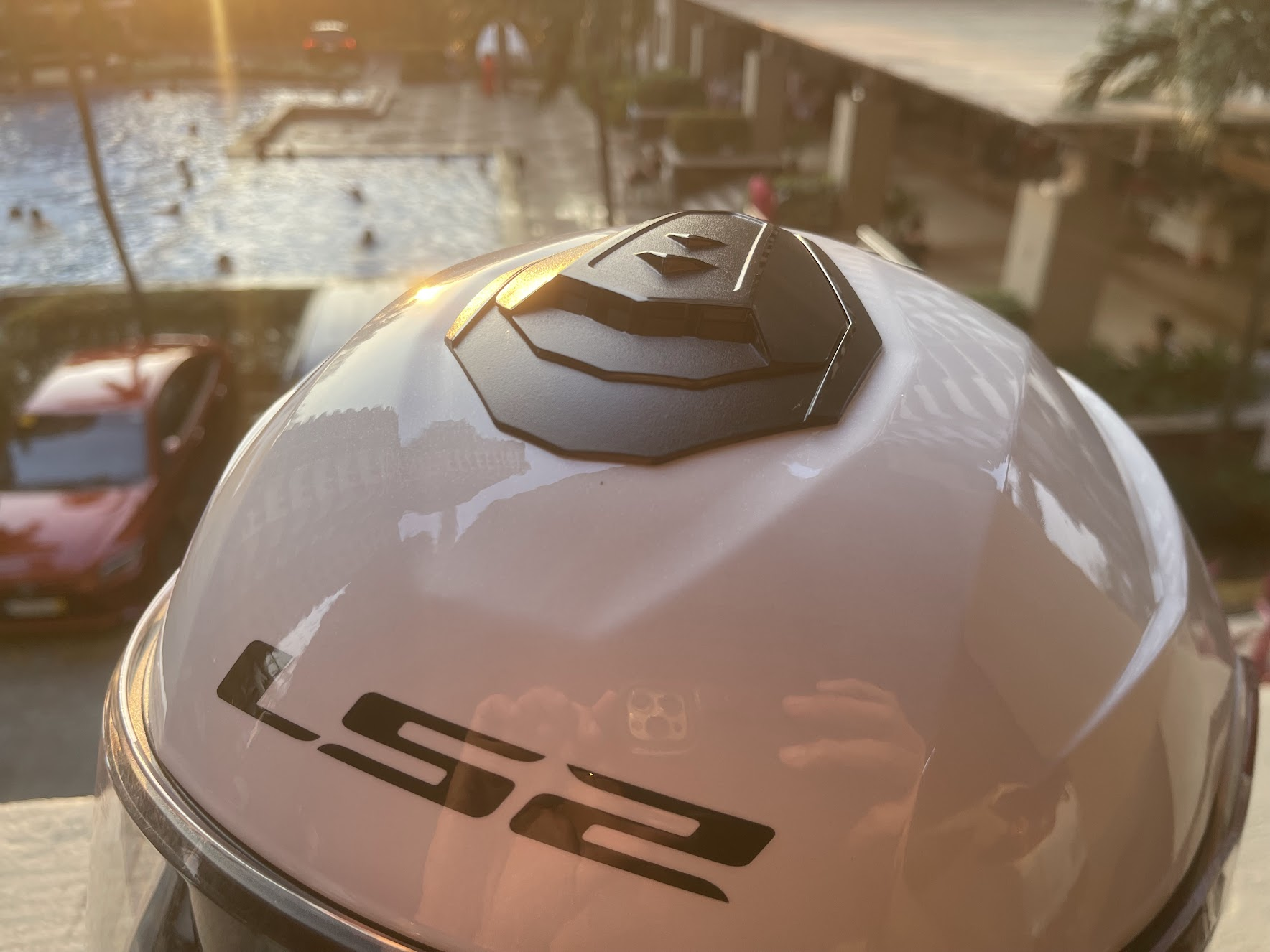
The Strobe II has a different approach, and it is the chin vent that makes it work. When the chin vent is open, it actively pushes air upward toward the visor, creating enough internal airflow to prevent condensation from forming in the first place. The vent does not just let air in it directs it. The result is that at riding speeds, even Metro Manila commute speeds, the visor stays clear without a Pinlock insert because the airflow is managing the temperature differential before fogging can start.
I have ridden this through morning traffic, through the temperature change of coming off the expressway into city heat, and out of underground parking into humidity. The visor has stayed clear every time. This is the chin vent doing its job, and it is doing it better than most helmets at this price point.
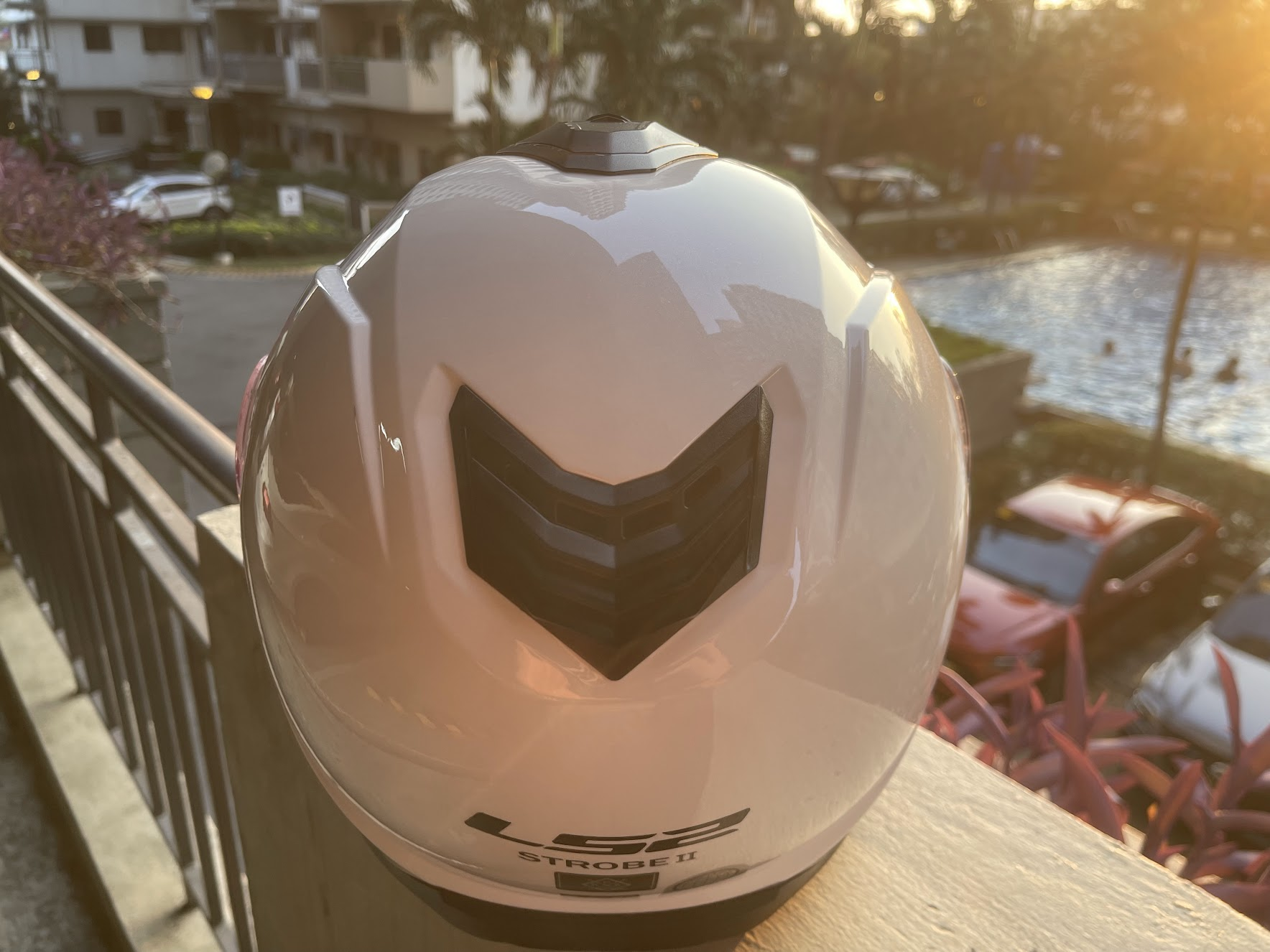
The full ventilation system runs chin intake → channelled EPS → top exhaust, with a separate upper forehead vent for additional intake. Airflow is fully adjustable, and all vents can be closed when you want to block the breeze on a cold early morning ride.
Struggling to stay cool on Philippine roads? Check out our best ventilated motorcycle helmets 2026.
The Visor: Clear, Wide, and Pinlock-Ready When You Want It
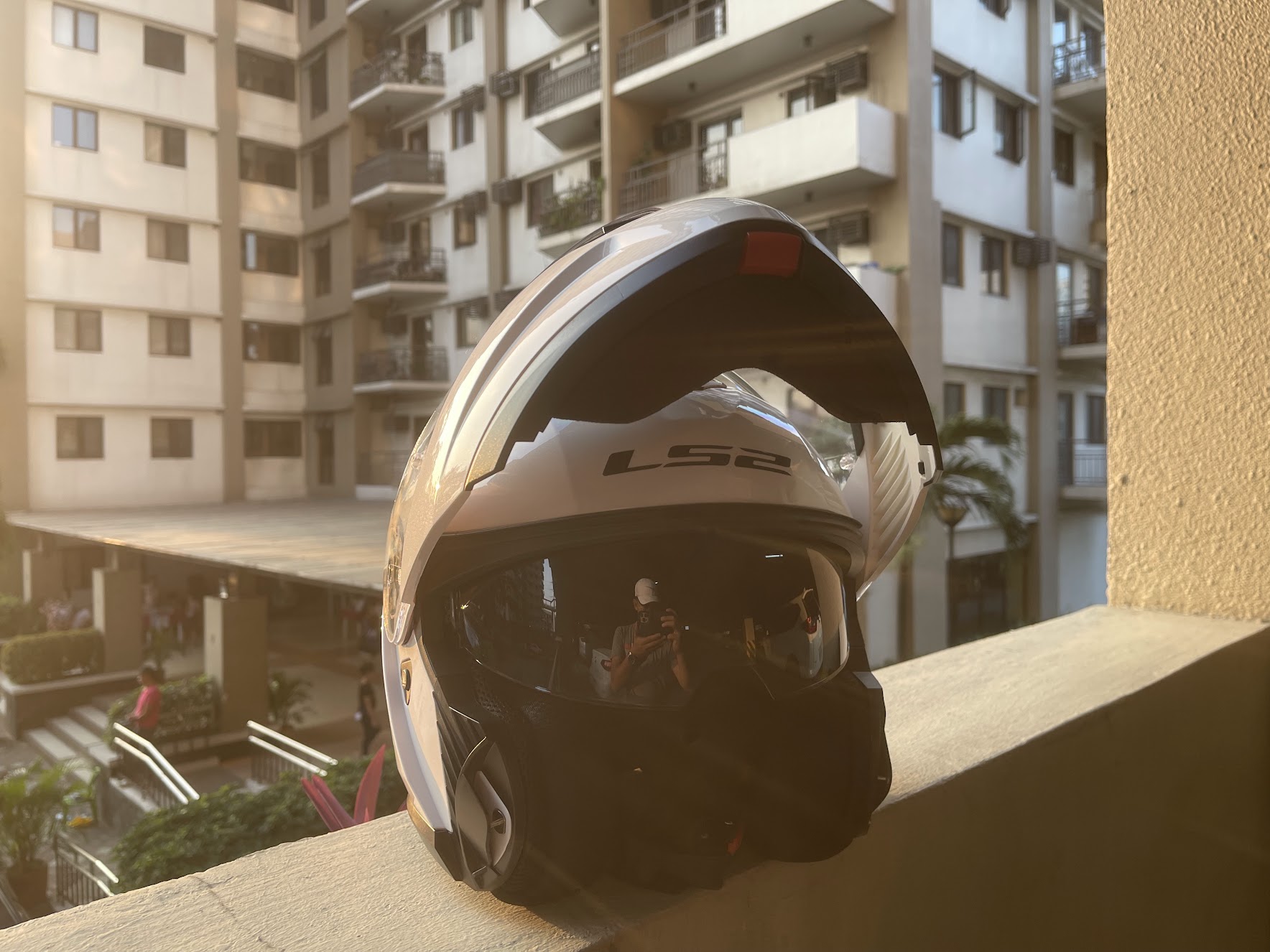
The main visor on the Strobe II is LS2’s Class A polycarbonate shield scratch-resistant, UV-rated, and optically correct across the field of view. The eyeport is wide enough that peripheral visibility is genuinely good, which matters in city traffic where threats come from all directions at once.
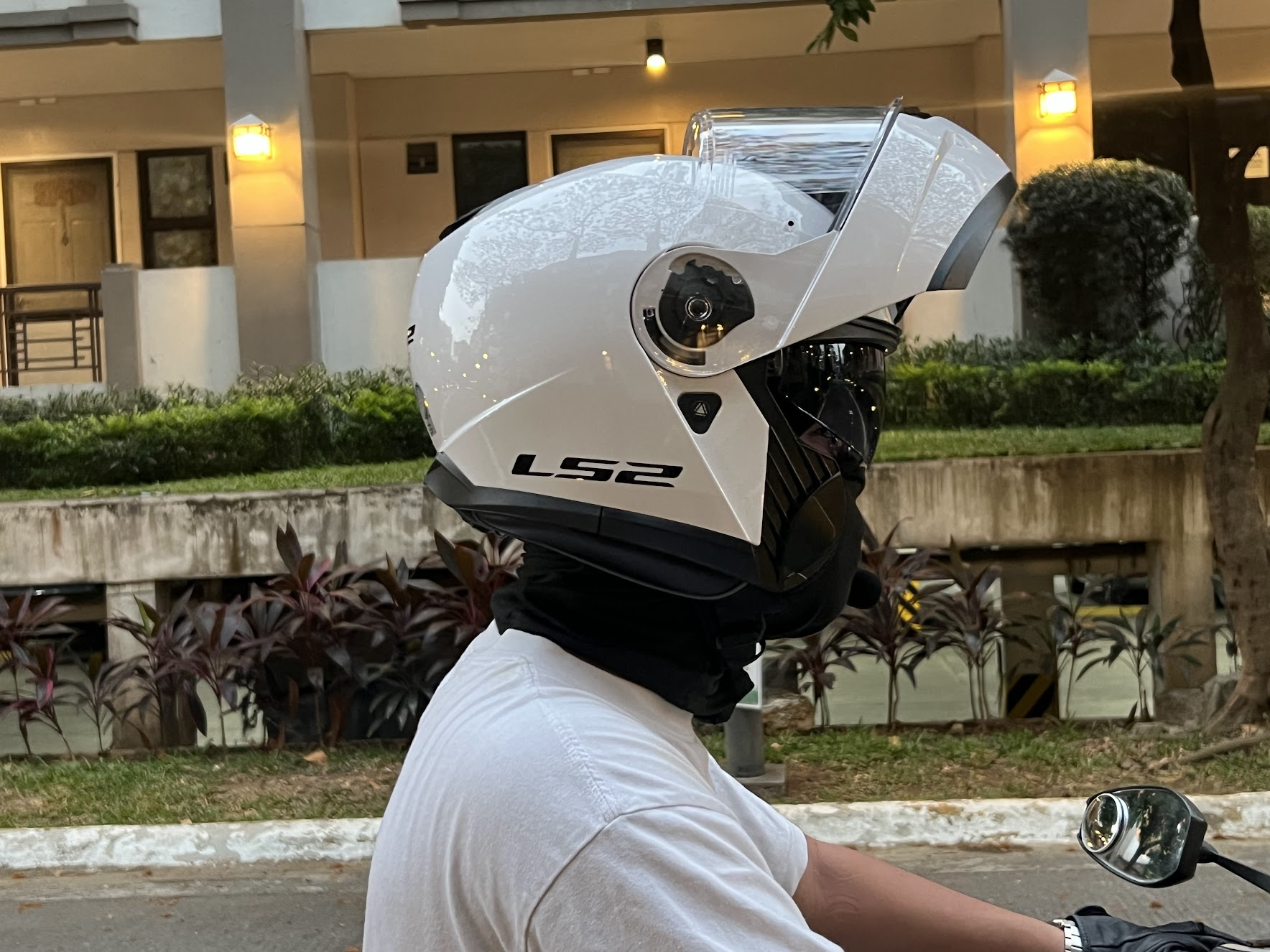
Visor changes use LS2’s ShortShift tool-less quick-release system. Press, twist, remove no tool required, no fumbling. This is practical for riders who swap between a clear shield and a tinted shield seasonally, and it works as advertised without requiring the kind of force that some tool-less systems need.
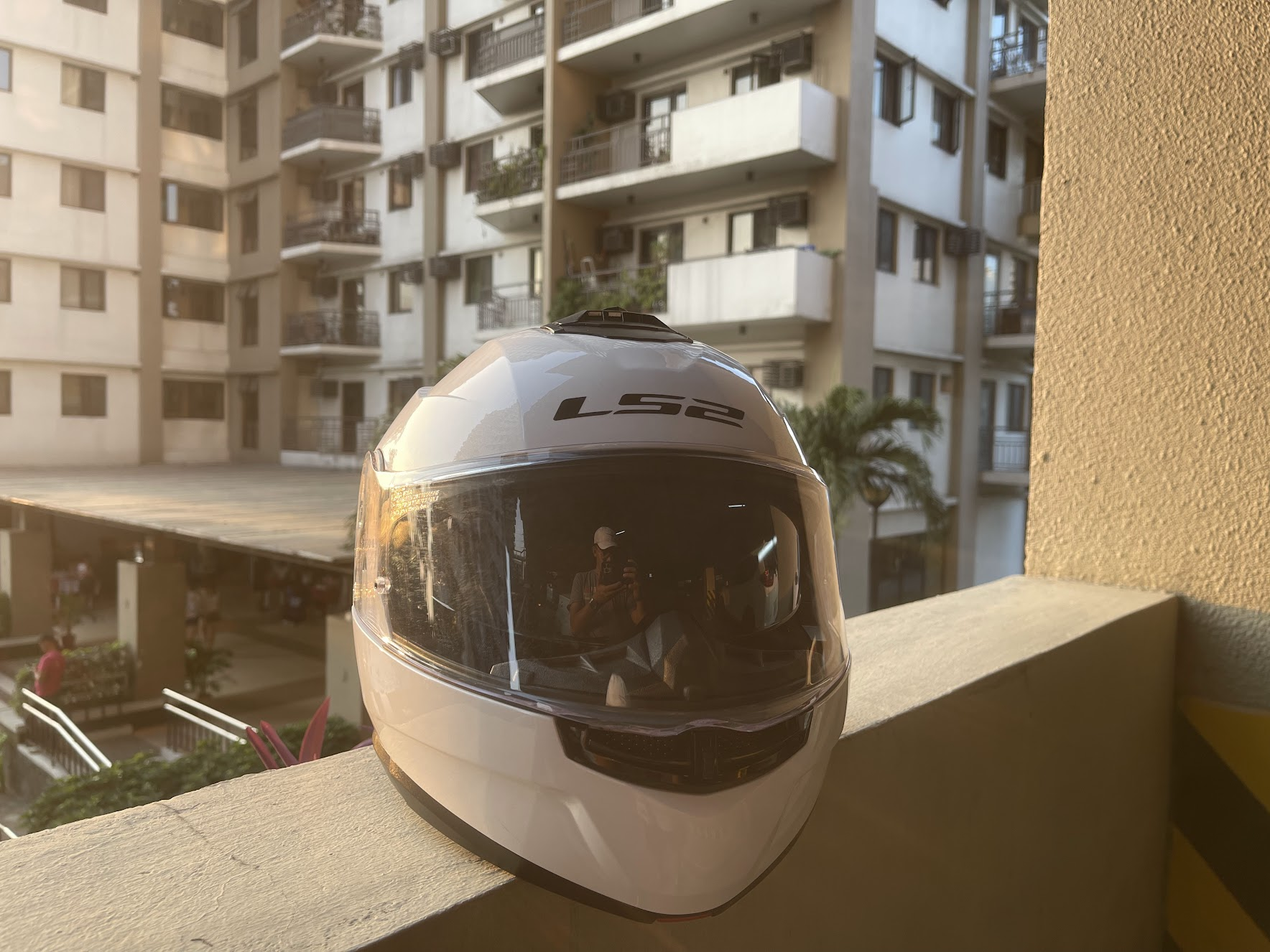
The drop-down sun visor is operated by a slider on the left side. The mechanism is smooth and holds position without wobble at speed. The tint is dark enough to handle midday PH sun without making you squint, but not so dark that shaded road sections feel dangerous.
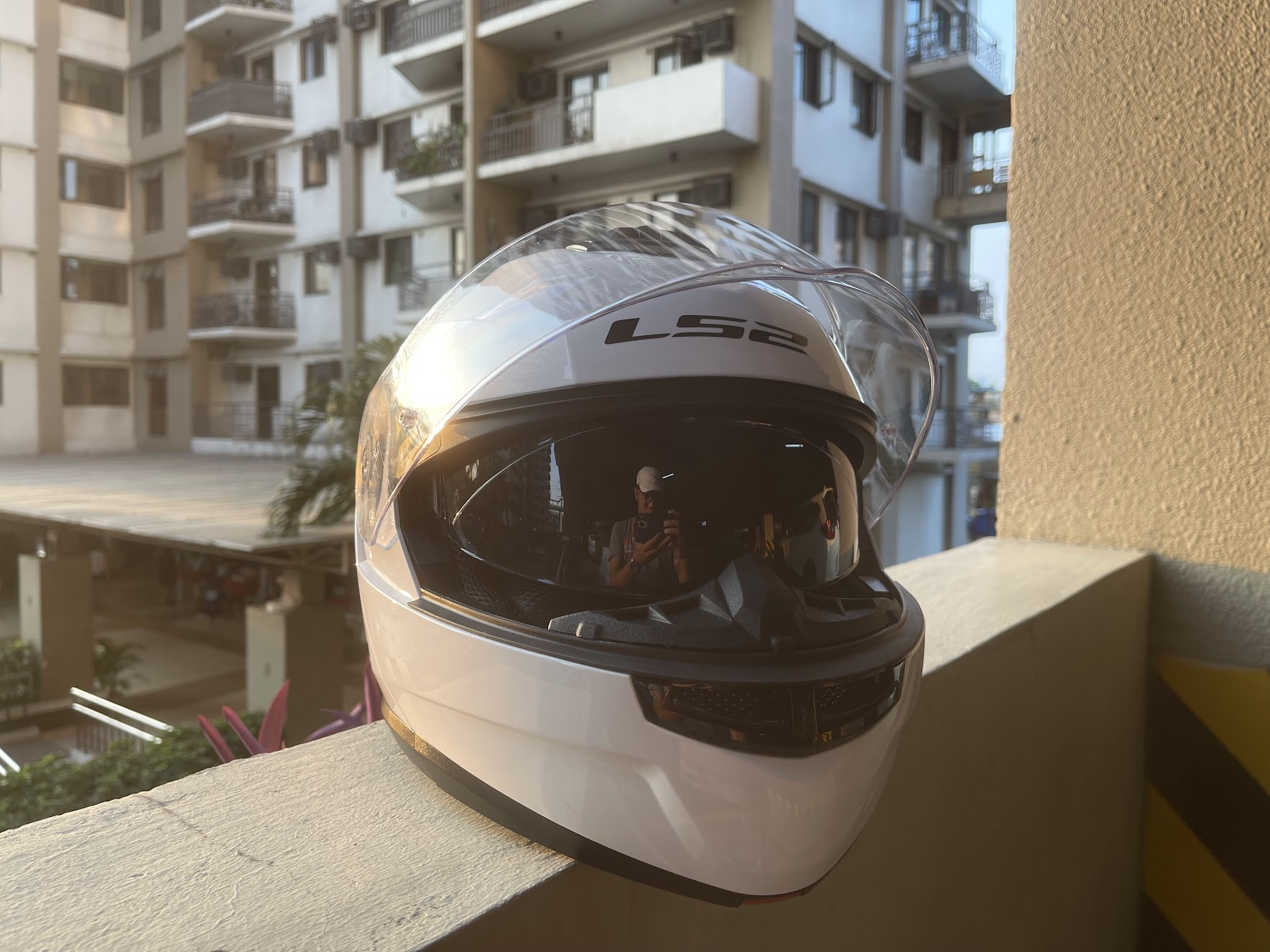
One important note: the visor is Pinlock-ready but the Pinlock lens itself is not included in the box. For most riders who experience the ventilation the way I did, this will not matter. But if you ride at very low speed for extended periods in cold or wet conditions, you can add the Pinlock later without replacing the visor.
The Modular Mechanism: Single-Button, Full-Metal, Stays Where You Put It
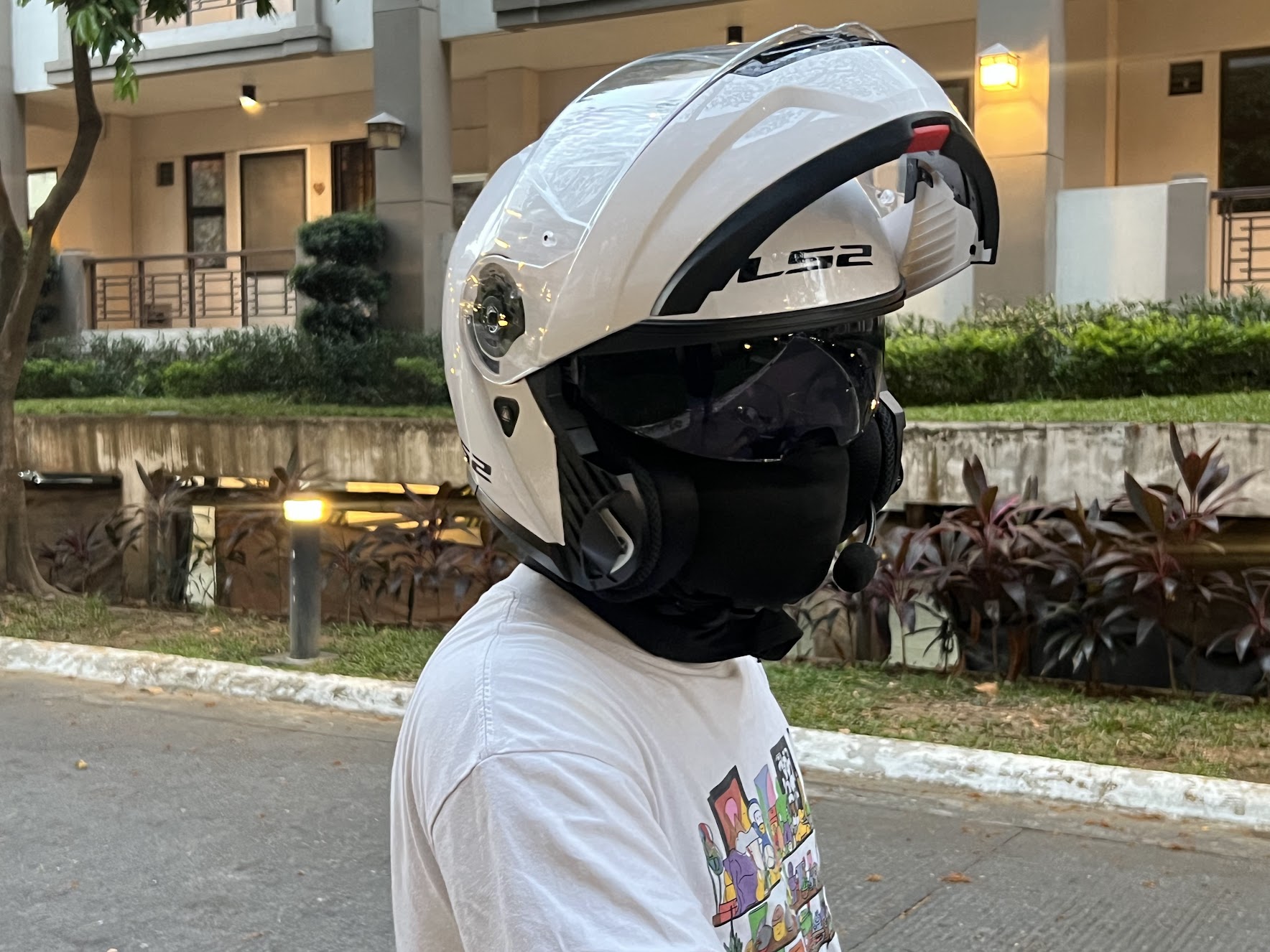
The chin bar release is a single-button mechanism on the front of the helmet. It is easy to find with a gloved hand, it operates cleanly, and the chin bar travels the full 90º to a secure detent at the open position. It stays up. This sounds like a basic expectation but there are modulars at this price and above where the chin bar creeps down under vibration, and the Strobe II does not do that.
The full-metal latch system is worth calling out. Budget modular helmets cut costs here with plastic latch components, which wear faster and can feel imprecise after months of daily use. The metal hardware on the Strobe II operates with a solidity that you can feel every time you flip the chin bar.
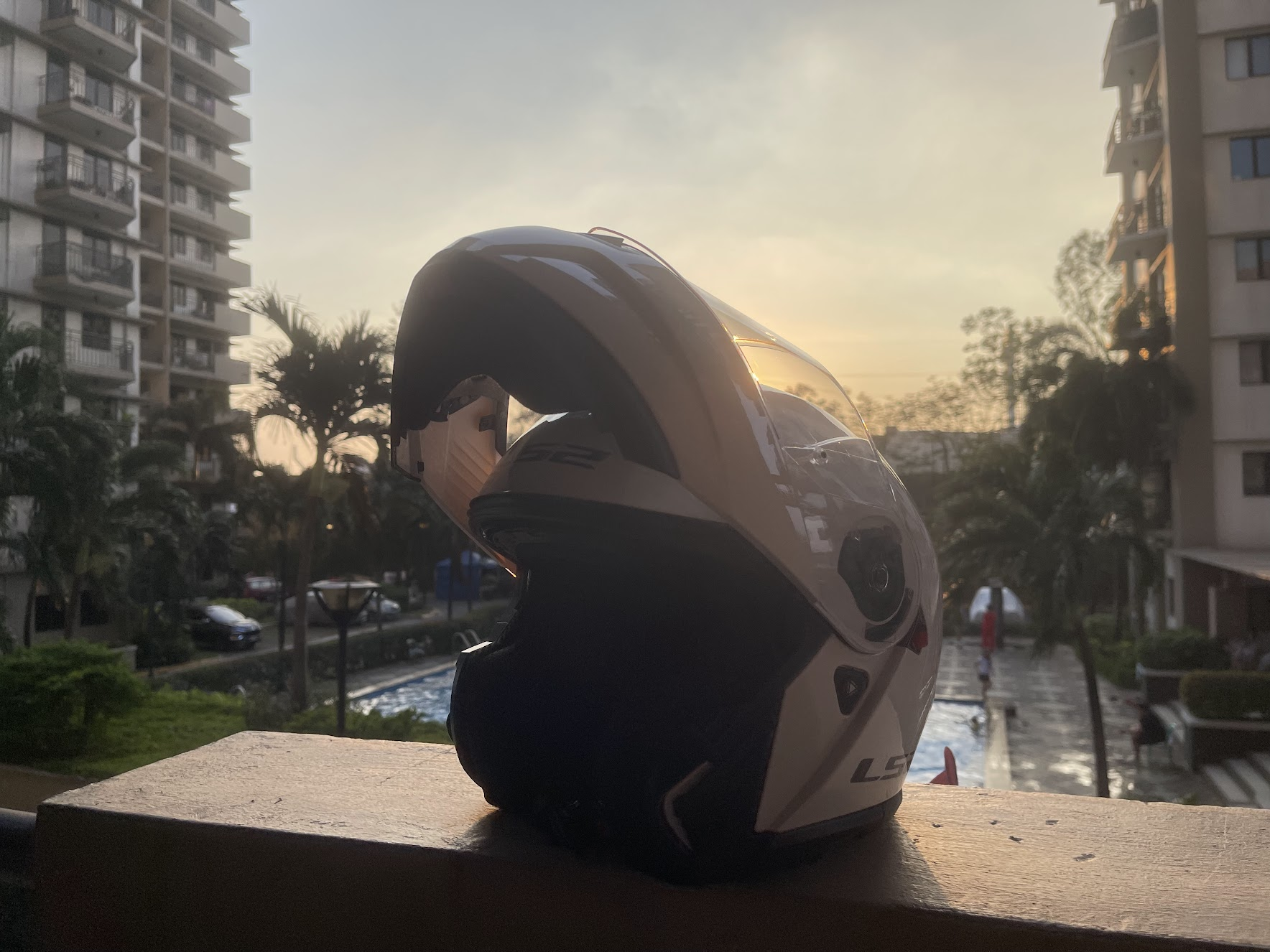
The micrometric buckle chinstrap is the right choice for a daily commuter helmet. It adjusts precisely and releases quickly with one hand, which is what you want when you are pulling up at home after a long ride and your hands are tired.
Comfort and Interior: Daily Helmet Performance
The Strobe II is built for all-day wear and the interior reflects that. The 3D laser-cut cheek pads eliminate the pressure points that flat-cut foam creates, particularly at the jaw angle where modular helmets tend to concentrate contact. After several hours of riding, there are no hot spots and no areas that have been pushing in the wrong place.
The liner is removable and washable, which matters for daily use in Philippine heat. Sweat is a reality, and a liner that you can pull out, wash, and reinstall quickly keeps the helmet fresh across daily riding without the kind of odour buildup that non-removable liners develop.
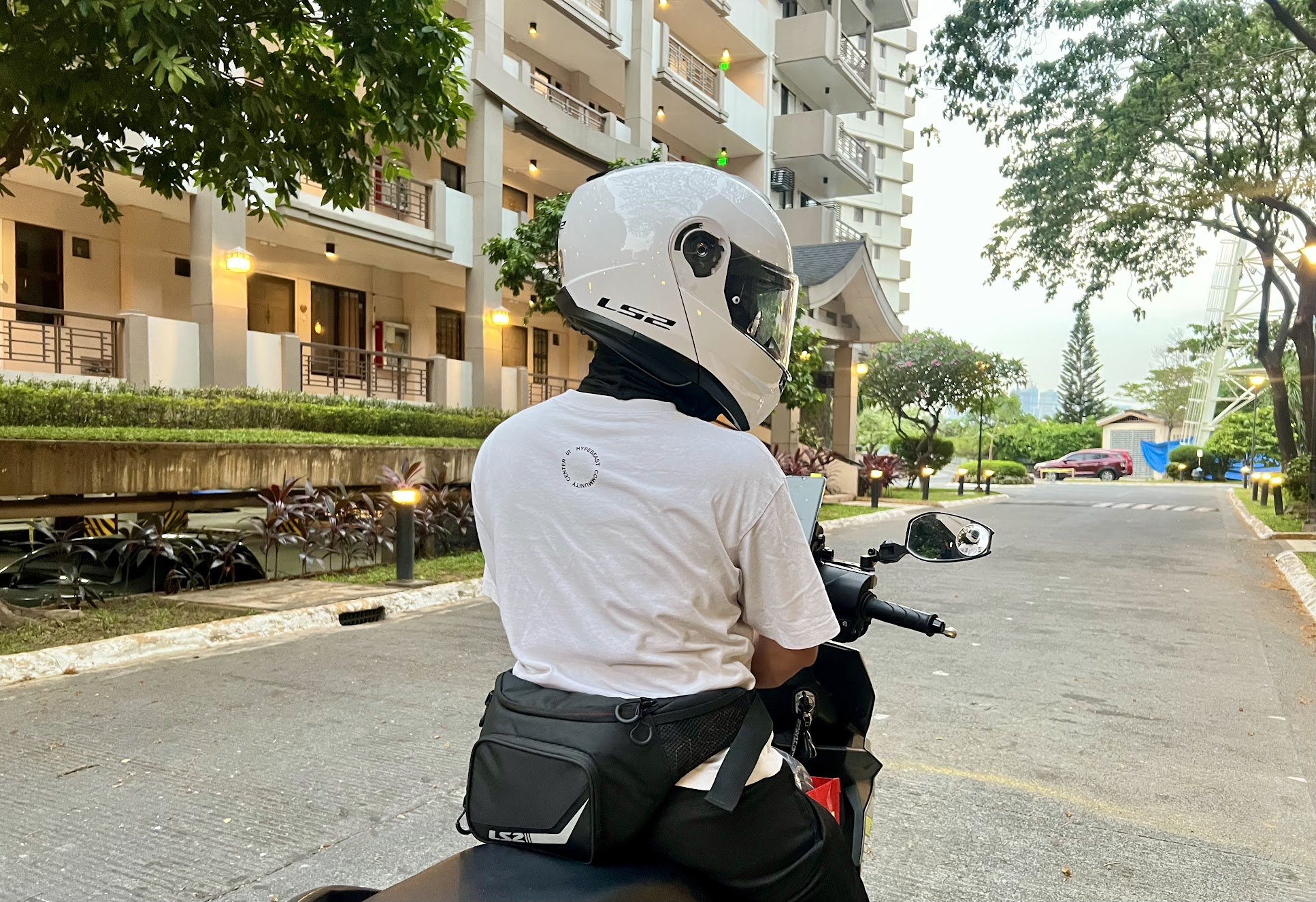
The flex-crown system adds a small amount of give at the top of the liner that helps the helmet settle onto different head shapes. It is a detail that makes the initial fit more forgiving and reduces the break-in period for riders with slightly irregular head profiles.
The fit shape is intermediate oval this works for the majority of Filipino riders without the extreme roundness of some European-market helmets or the extreme oval of some Japanese-market lids.
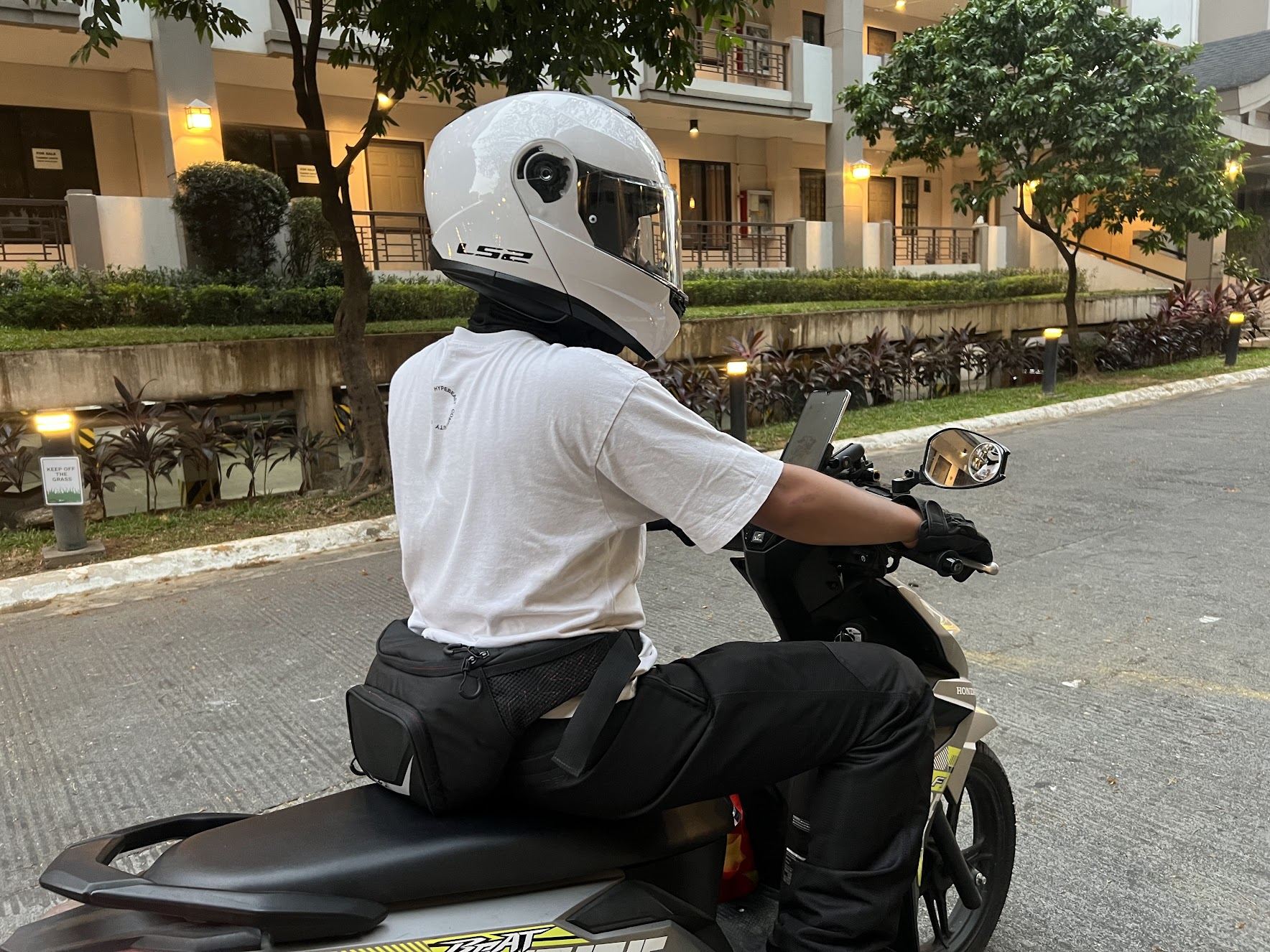
The helmet also includes an emergency cheek pad release system, with pull tabs that allow first responders to remove the cheek pads quickly without excessive force on the neck in a post-crash extraction. You hope you never need it, but it is the right thing to have.
Want gloves that hold up to daily commute use? Check out our Five Globe Evo review.
Safety and Certification: ECE 22.06 P/J – Both Modes Covered
The Strobe II carries ECE 22.06 certification as P/J, which means it is certified for use as both a full-face helmet (chin bar down) and an open-face helmet (chin bar up). This is not a given for all modular helmets some are certified only in full-face configuration and technically should not be ridden with the chin bar up.
The AREM (Advanced Rotational Energy Management) system addresses rotational acceleration in a crash, which is the impact mode that current research identifies as a primary cause of brain injury. This was a mandatory consideration for ECE 22.06 compliance, and LS2’s implementation passes that standard.
Combined with the KPA shell’s energy-managing flexibility, the Strobe II sits well above where you might expect from a helmet at this price point in terms of certified protection.
Feature Summary
| Feature | LS2 Strobe II Specification |
|---|---|
| Shell Construction | Kinetic Polymer Alloy (KPA) |
| Shell Sizes | 3 shells across XS–3XL |
| Weight | ~1550g ±50g |
| Fit Shape | Intermediate oval |
| Retention System | Micrometric buckle |
| Chin Bar | 90º rotating, full-metal latch, single-button release |
| Visor | Class A polycarbonate, UV rated, scratch resistant |
| Anti-Fog | Pinlock-ready (Pinlock not included) |
| Internal Sun Visor | Drop-down, slider operated |
| Ventilation | Chin vent + forehead vent + rear exhaust, fully adjustable |
| Interior | 3D laser-cut pads, removable washable liner, flex-crown system |
| Emergency Release | Cheek pad pull-tab system |
| Safety Certification | ECE 22.06 P/J, DOT FMVSS 218 |
| Rotational Management | AREM (Advanced Rotational Energy Management) |
Final Perspective
The LS2 Strobe II is my daily helmet now, and the reason comes down to two things that I did not fully expect before riding it.
The weight distribution is the first. I have other modulars. This one does not feel like any of them after a full day’s riding, and the difference is real enough to notice every single time I switch back. It is not lighter in absolute terms it is balanced in a way that most modulars at this price are not.
LS2 Strobe II
A modular helmet with a 90º rotating chin bar built on a Kinetic Polymer Alloy (KPA) shell with AREM rotational energy management. ECE 22.06 P/J certified — usable as both full-face and open-face. Comes with a drop-down sun visor, emergency cheek pad release, 3D laser-cut comfort pads, and a fully adjustable ventilation system.
The chin ventilation solving the fogging problem is the second. I went in planning to add a Pinlock insert. I have not needed one. The chin vent is doing the work that a Pinlock would otherwise do, and it is doing it through airflow management rather than a lens insert. For daily riding in Metro Manila conditions, this is exactly the right approach.
At its price point, the Strobe II sits in a category where most helmets ask you to accept tradeoffs. This one found a way around the two that bother daily riders most and that is what makes it worth the recommendation.