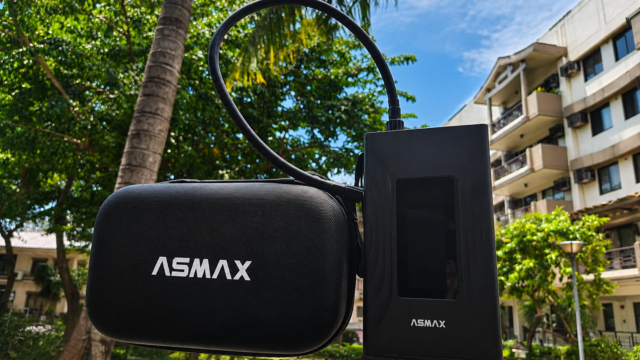
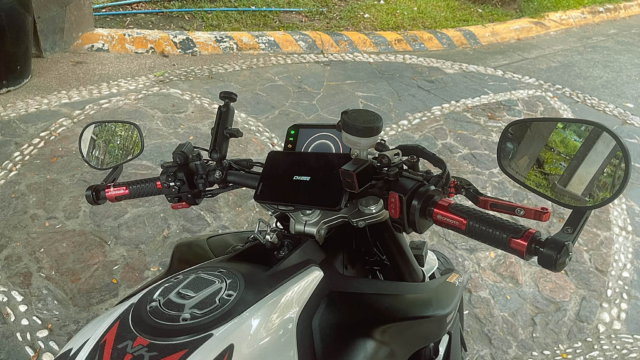
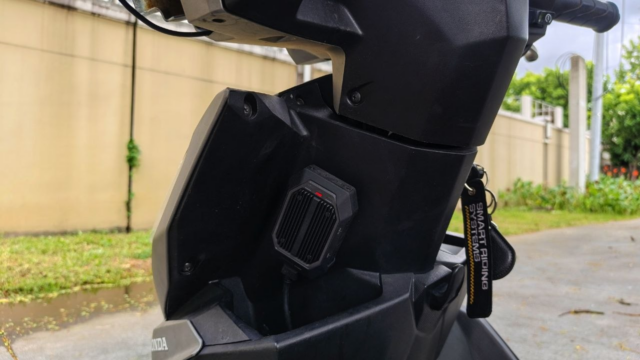
Bar-end mirrors look great. I won’t pretend otherwise. They sit low and clean, they don’t add bulk to the cockpit, and they give the bike a proper naked silhouette. The tradeoff is one you learn to live with: your rear visibility is compromised. Not destroyed, but limited enough that you spend a lot more mental energy monitoring it than riders with stock mirrors do.
After a while, you start to notice the habit. Checking mirrors more often than necessary. Spending half a second longer looking left and right before a lane change. Watching a vehicle in your peripheral vision because you can’t always tell from a quick glance if it’s pulling up fast or just cruising. It’s manageable, but it’s also not ideal.
CHIGEE SR-1
The SR-1 is an automotive-grade 77GHz millimeter-wave radar built specifically for motorcycles. It monitors the space behind you up to 70 meters out, runs four active warning modes simultaneously, and alerts both the rider and approaching drivers through integrated LED lights, all in an IP68/IP69-rated package that handles rain, dust, and long-term exposure without complaint.
The CHIGEE SR-1 solves that problem directly. It doesn’t replace the mirror check. Nothing does. But it closes the gap between what your eyes can cover and what’s actually happening behind you, through a system that works in rain, at night, and in the kind of traffic conditions where you’re already splitting attention across too many things at once.
I installed one. Here’s what actually happened.
The Visibility Problem That Started This
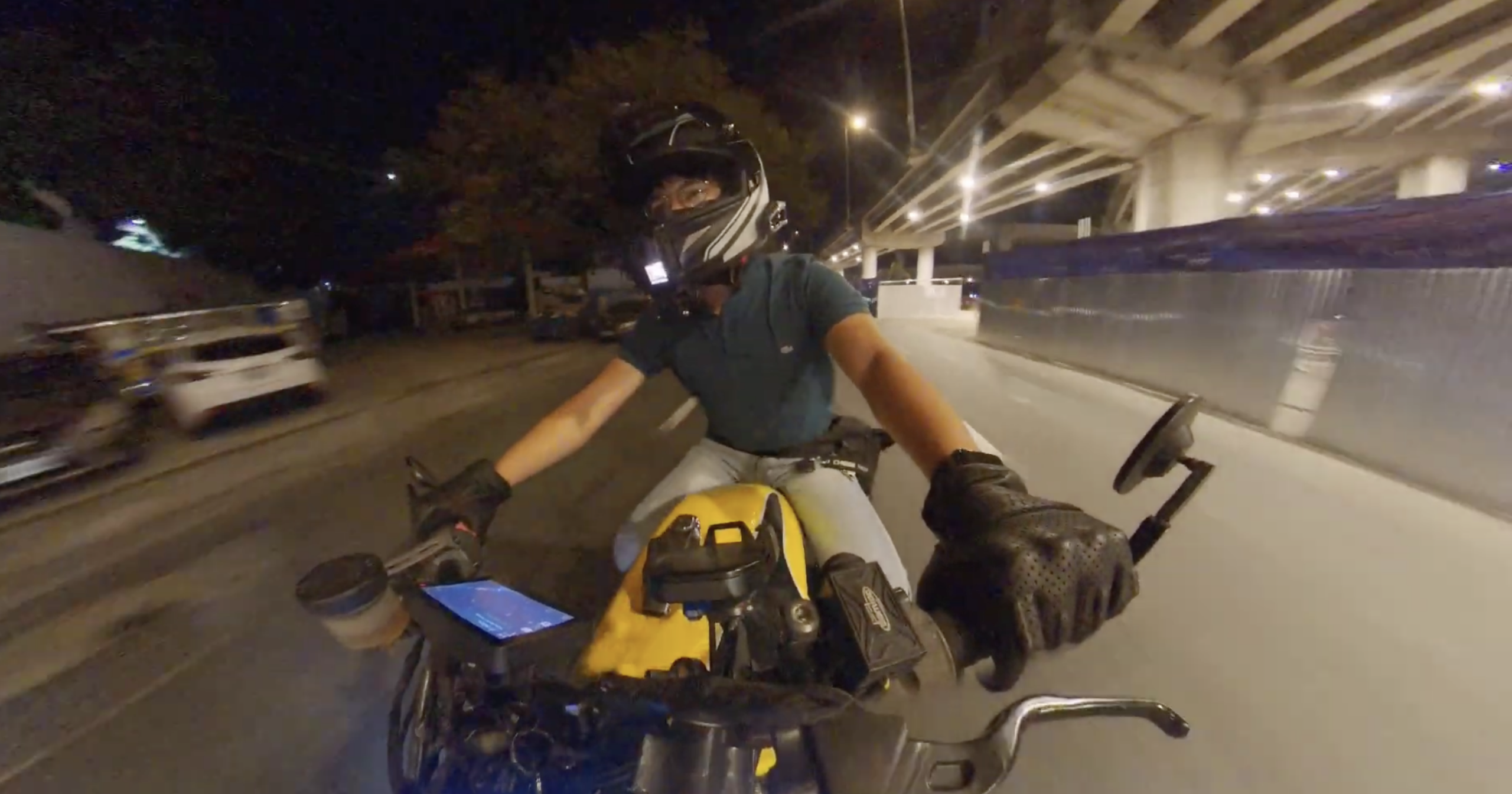
If you ride with bar-end mirrors, you already know the situation. The field of view is narrower than stock mirrors, and the angle you get doesn’t cover the same blind zone. On a highway where vehicles are moving fast and lane discipline is optimistic at best, that’s a real gap.
My habit before the SR-1 was to look more. More mirror checks, more over-the-shoulder glances before moving, more mental load spent on tracking what was beside me. That’s not necessarily wrong, situational awareness matters, but it’s also not a great solution when the information you’re getting from the mirrors is limited by the mirrors themselves.
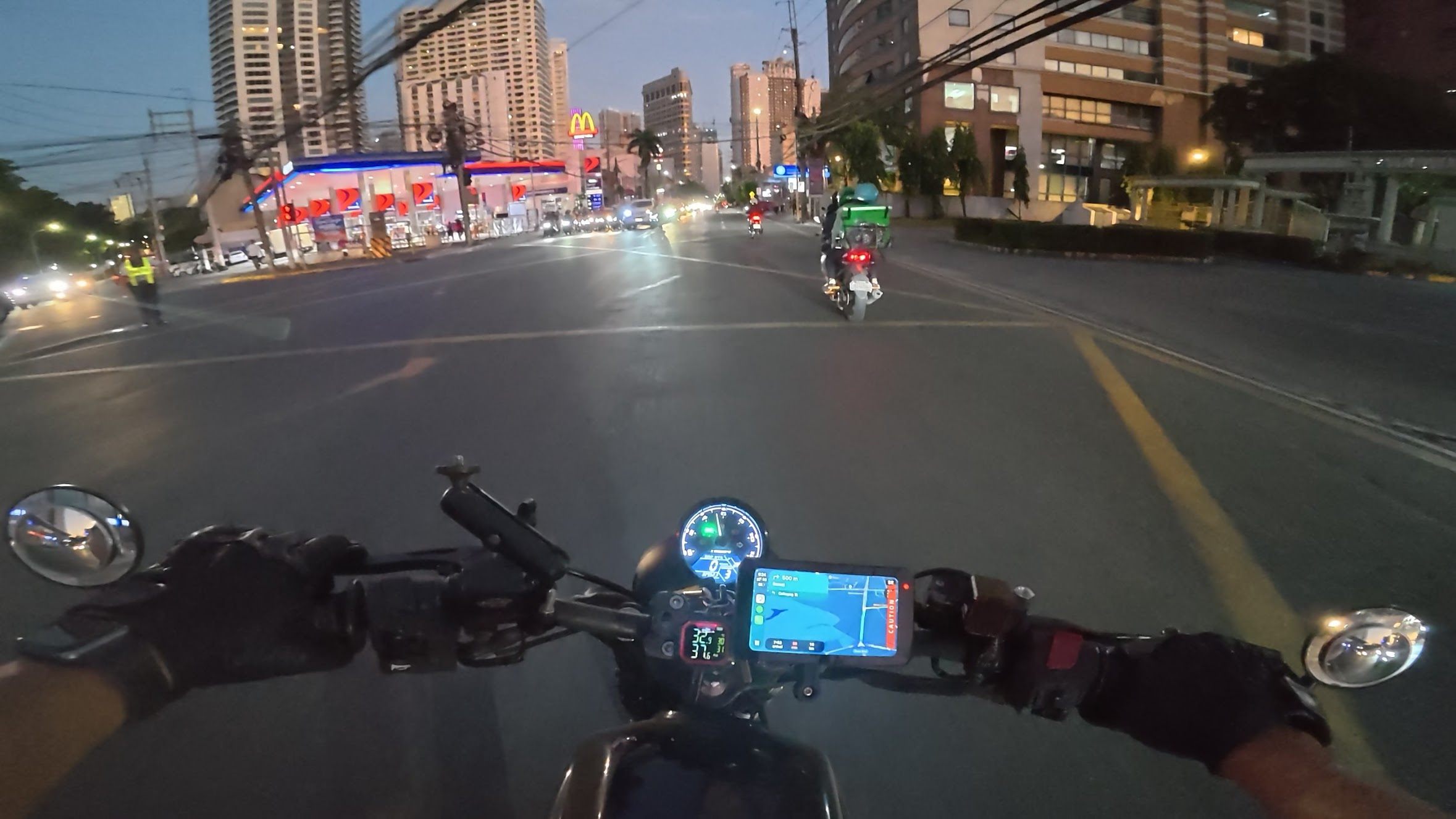
The SR-1 fills that gap with active radar. It watches the zone you can’t see well, and when something enters it, it tells you. You don’t have to change your riding posture, angle your head differently, or rely on a moment where you happened to look at the right time. The system is watching continuously. That shift from passive checking to active monitoring is where the SR-1 earns its place on the bike.
What the Four Warning Modes Actually Do
The SR-1 runs four independent warning algorithms at the same time. Each one is tuned to a specific scenario, and in real riding, you notice the distinction.
Blind Spot Detection (BSD)
BSD watches the zone beside and behind your motorcycle the moment you hit 10 km/h. It monitors continuously, so when a vehicle slides into that space, you know before you move, not after. That’s the difference between a lane change you commit to and one you correct mid-execution.
For riders with bar-end mirrors, this matters more than almost any other feature. Your field of view is already narrower than stock mirrors. BSD covers exactly the zone you’re most likely to miss. You stop relying on timing and start riding on confirmed information.
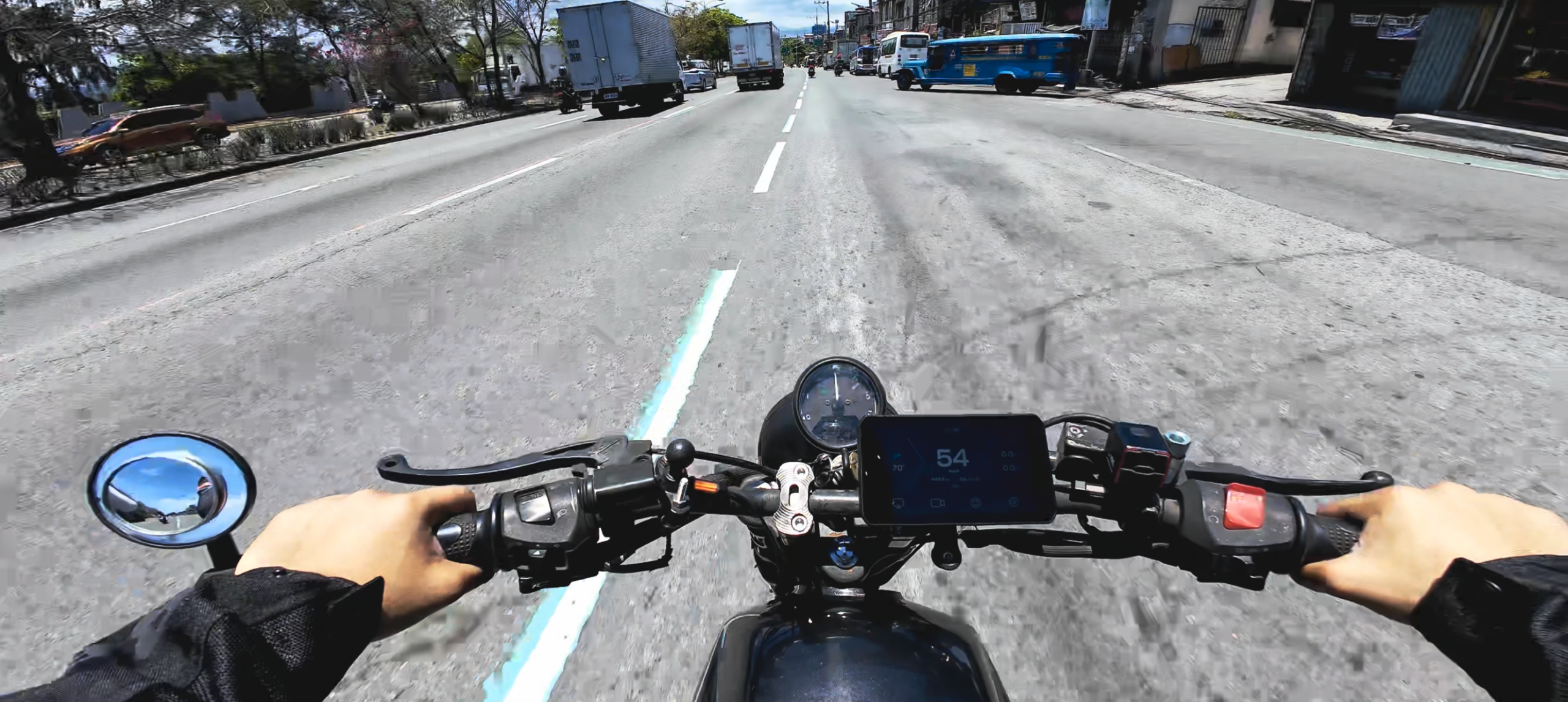
This is the mode I use the most on busy roads. Filtering through traffic feels less tense when something is actively watching what you can’t see. The confidence it gives you is quiet, but it’s there on every lane change.
Active Overtake Alert (AOA)
AOA protects the moment most riders don’t think about until it goes wrong: merging back after an overtake. The second you finish passing, SR-1 checks the lane behind you before you move back in. If something is closing fast or sitting in your blind spot, it warns you before you commit.
As a rider, this is where you’re most exposed without realizing it. You’ve just passed someone, your eyes are forward, and your instinct is to move back in immediately. AOA gives you a beat, enough to know the lane is actually clear.
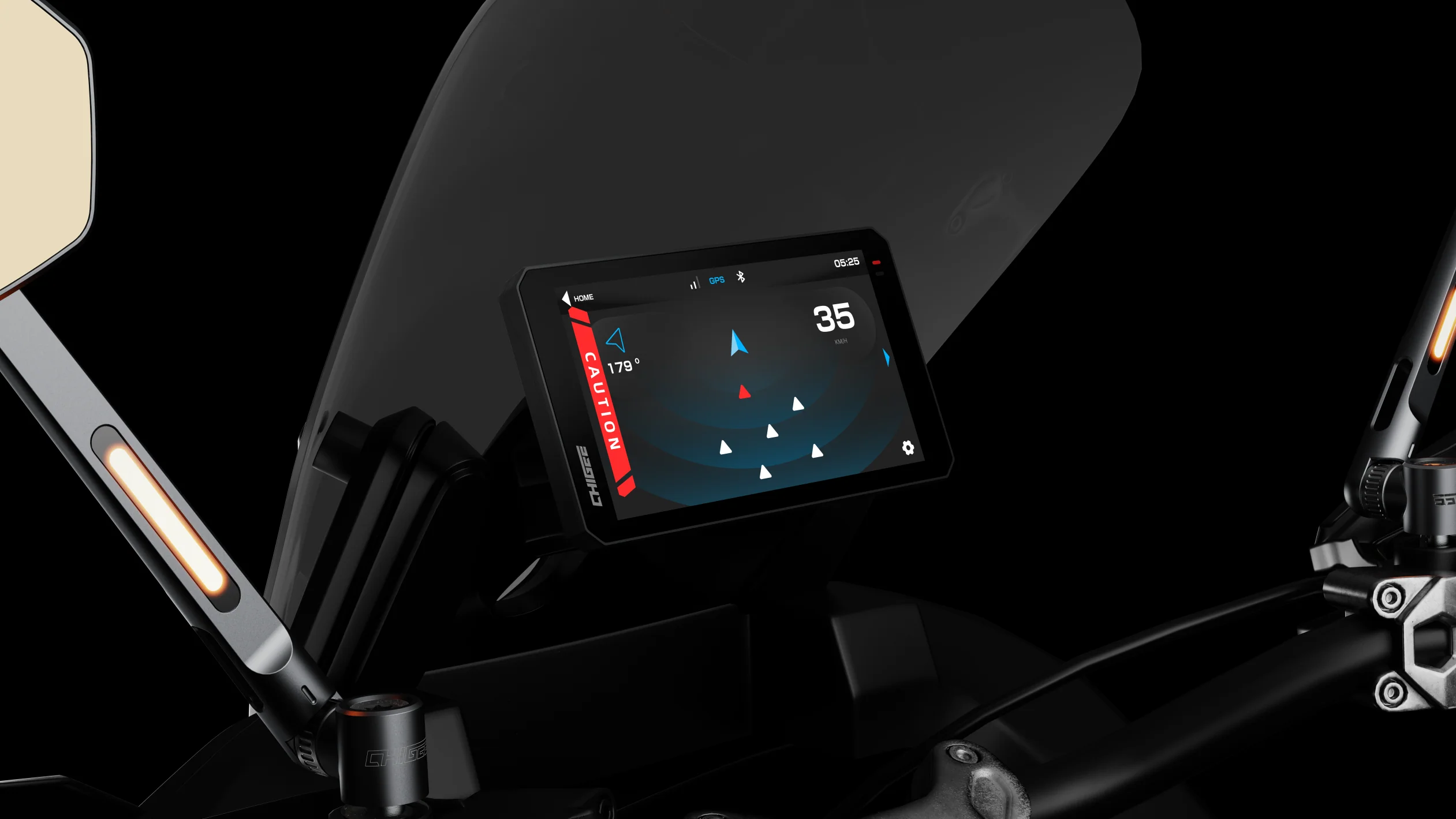
It fires only at the right moment, not continuously. That precision is what makes it trustworthy. You’re not second-guessing every alert. You know when it fires, it means something.
Lane Change Assist (LCA)
LCA adjusts how early it warns you based on your speed and the speed of vehicles around you. At expressway pace, alerts come earlier so you have real reaction time. In slow city traffic, it filters out low-risk situations so you’re not getting buzzed every few seconds.
As a rider, this is what keeps the system from becoming background noise. A radar that warns you constantly, even when there’s no real threat, trains you to ignore it. LCA prevents that by staying proportional to the actual risk.
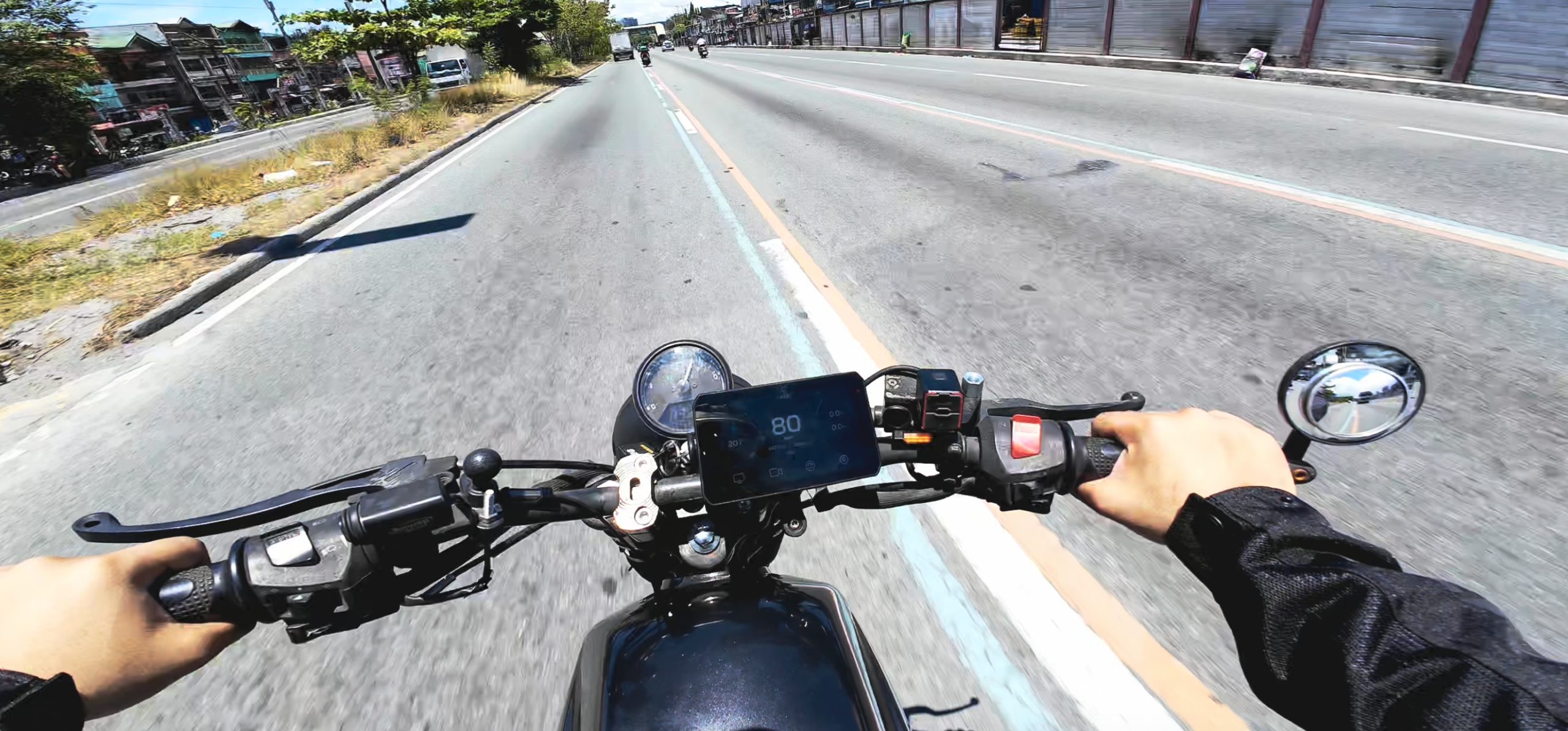
It adapts to the ride without you touching a setting. That’s the difference between a system you trust on every road and one you switch off after the first long ride.
Rear Collision Warning (RCW)
RCW is the mode that hits hardest the first time it triggers. The moment SR-1 detects a vehicle closing fast from behind, faster than the situation calls for, it fires immediately. The LED on the radar module also flashes rapidly toward the driver behind you, not just at you.
As a rider, that two-way alert changes what the system can do for you. You get the warning to react. The driver behind gets a visual signal to back off. One detection event handles both sides of the threat at the same time.
I’ve had it trigger on C5 when a car suddenly accelerated into the space behind me. The LED blinked fast enough that I reacted before I even processed what happened. Your body moves first, your brain catches up a second later, and that’s exactly how a rear collision warning should work.
Why This One Hits Different
I’m not writing about the Rear Collision Warning from a place of theory. I’ve been hit from behind.
It happened on Quezon City, moving at highway speed, in traffic that felt normal right up until it wasn’t. A car behind me didn’t react in time. I didn’t know it was coming. There was no warning, no moment to brace, no chance to move. Just impact, and then the aftermath of figuring out what your body and your bike look like on the other side of that.
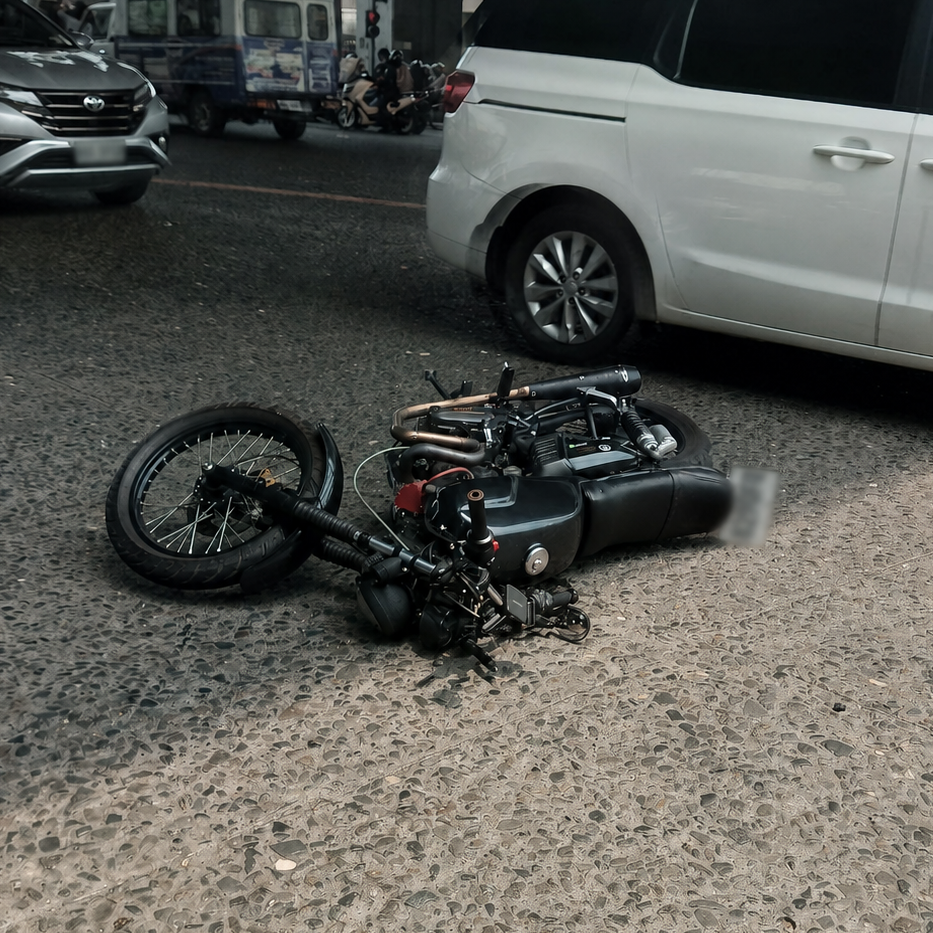
Recovery takes longer than you expect. Not just physically. The way you ride after a rear collision changes. You check your mirrors more than you need to. You flinch at vehicles sitting too close. You do the math in your head constantly, is that car slowing down, is it close enough, is it paying attention. It becomes background noise that never fully goes away.
That’s what makes the RCW personal for me. Not because it would have guaranteed a different outcome that day. I can’t say that. But because riding with something actively watching that space, something that fires fast enough that your body moves before your brain catches up, changes the weight of that anxiety. It doesn’t erase the memory. It just means you’re not alone in watching for it anymore.
If you’ve been hit before, you’ll understand immediately why this feature matters. If you haven’t, I genuinely hope you never will. But I’d rather you have something watching that zone than find out the hard way why it should have been there.
The Installation: 30 Minutes, Done Alone
I’m not a mechanic. I’m not especially handy with wiring. I installed the SR-1 by myself, start to finish, in about 30 minutes.
The wiring is straightforward. Connect to your ACC wire, positive, and negative, and you’re done. No complex electronics, no special tools. The system powers on with the bike and cuts off with it.
Once it’s wired up, you pair it through the Millimeter Wave Radar settings inside the CHIGEE display. A few taps and it’s connected. After that, it just runs.
The only thing worth taking time on is cable routing. The install itself is simple, but clean routing makes the difference between something that looks like it belongs on the bike and something that looks like an afterthought. Take the extra few minutes to tuck everything properly. You’ll be glad you did every time you look at it.
The Radar Alerts the Driver Behind You, Not Just You
This is the detail I keep coming back to when I explain the SR-1 to other riders.
Most radar assist systems for motorcycles operate on a single-direction principle: the system detects a threat and tells the rider. The SR-1 adds a second direction. When the Rear Collision Warning fires, the LEDs built into the radar module flash rapidly, visible to the vehicle approaching from behind. You’re not just receiving a warning. You’re broadcasting one.
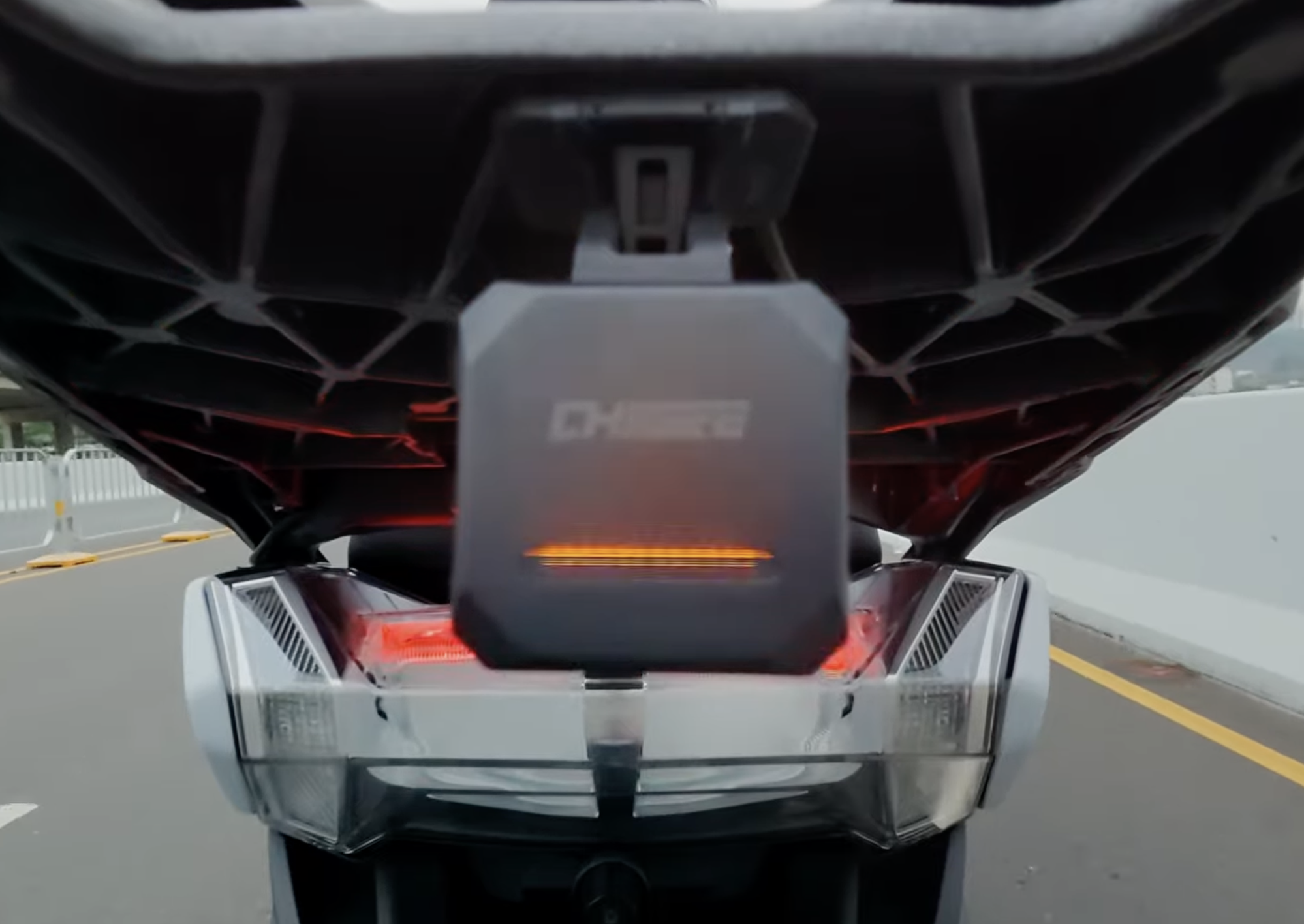
In low-visibility conditions, at night, or in situations where a driver behind you might not have fully registered that you’re there, that flashing strobe changes the dynamic. You’re no longer just a passive target. The radar is actively signaling your presence to traffic behind you at the exact moment a collision risk is detected.
The indicator lights also include an ambient light sensor that adjusts brightness automatically. In direct sunlight, they punch through the glare. At night, they dim enough to avoid blinding the driver behind you or washing out your own peripheral view. You don’t touch a setting to make this happen. The system reads the environment and adjusts.
What It’s Like to Ride With It
After a few rides, the SR-1 stops feeling like a feature you’re using and starts feeling like information you just have. That’s the point where a safety system actually works, when you’re not thinking about the system, just riding with better awareness.
Lane changes feel less like a calculated risk and more like a confirmed action. The AOA check before merging back after an overtake adds a beat of confidence that I didn’t realize I was missing before. The RCW has caught fast-approaching vehicles that I hadn’t fully clocked in my mirrors. None of those moments felt dramatic. They felt like the system doing its job while I did mine.
The Optional Mirror Upgrade
The standard SR-1 package includes two standalone indicator lights as the default warning light setup. They mount independently, don’t require replacing existing components, and work across a wide range of motorcycles. For most riders, this is the right starting point.
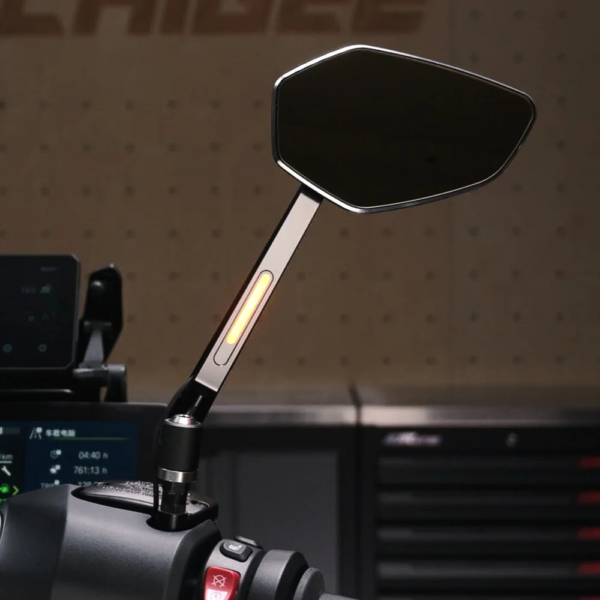
If you want a cleaner installation, the kind where the warning light is integrated directly into the mirror rather than mounted separately, CHIGEE offers the CG Radar Mirror as an optional add-on. It delivers the same core alert function with a more refined, factory-look result. When the CG Radar Mirror is installed, the system routes alerts through the mirror’s built-in light automatically. The standalone indicators don’t need to be installed alongside it.
CG Radar Rearview Mirror
Designed as an optional upgrade for the SR-1, the CG Radar Mirror combines the mirror and warning indicator in one clean, integrated design. The result is a more streamlined cockpit, less visual clutter, and radar alerts that feel more natural on the road — refined, intuitive, and built for modern motorcycles.
It’s a genuine option, not a gimmick upgrade. Whether it makes sense depends on how much you care about the aesthetics of the installation versus keeping the price down.
Feature Summary
| Feature | SR-1 |
|---|---|
| Radar Frequency | 77 GHz |
| Detection Range | Up to 70 m |
| Warning Modes | BSD, AOA, LCA, RCW (all active simultaneously) |
| Data Refresh Rate | 15 Hz |
| Speed Detection Range | ±200 km/h |
| Connectivity | BLE 5.0 |
| Waterproofing | IP68 / IP69-rated |
| Operating Temperature | -25°C to +65°C |
| Active Rear Warning | Yes, strobe light built into radar module |
| Auto-dimming Indicator | Yes, ambient light sensor |
| OTA Updates | Yes, via Bluetooth |
| Display Integration | AIO-5 and AIO-6 series only (not XR-2) |
| Audible Alerts | Requires paired CHIGEE display |
| Included Accessories | Radar module + 2 standalone indicator lights |
| Optional Add-on | CG Radar Mirror |
| Price | USD $219 |
Making the Right Call
The SR-1 makes sense if:
- You spend time on multi-lane roads: highways, expressways, busy city corridors where lane changes and overtakes are constant
- You’re already running a CHIGEE AIO-5 or AIO-6 and want the full integrated experience with on-screen alerts and audio
- You want a system that warns approaching drivers, not just you
Look elsewhere if:
- You need audio alerts but aren’t running a compatible CHIGEE display
- USD $219 is a hard stop. There’s no budget version of this
Final Perspective
The SR-1 doesn’t change how you ride. It changes what you know while you’re riding. That’s a meaningful distinction. You’re still the one checking mirrors, making the call, and executing the maneuver. The radar is watching the space you can’t cover well, especially with bar-end mirrors, and handing you that information before you need it.
The installation was straightforward enough that I did it in under 30 minutes without help. The four warning modes work independently and stay relevant without generating constant false positives. The Rear Collision Warning is fast, the active rear strobe communicates with traffic behind you, and the auto-dimming indicator adjusts without you touching anything.
CHIGEE SR-1
The SR-1 is an automotive-grade 77GHz millimeter-wave radar built specifically for motorcycles. It monitors the space behind you up to 70 meters out, runs four active warning modes simultaneously, and alerts both the rider and approaching drivers through integrated LED lights, all in an IP68/IP69-rated package that handles rain, dust, and long-term exposure without complaint.
For a rider who spends real time on Philippine highways and expressways, where vehicles move fast and lane discipline is unpredictable, the SR-1 closes a gap that bar-end mirrors can’t close on their own. It’s priced at USD $219, which is a real number to spend on an accessory. But what it does for rear awareness, especially in the situations where rear awareness matters most, makes it one of the more honest safety investments available for the bike right now.