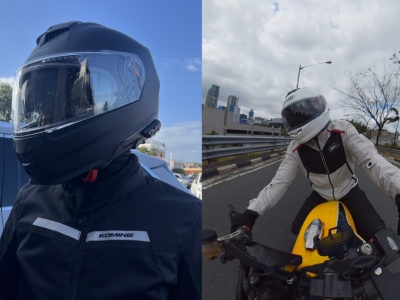
Riding in the Philippines taught me one thing fast: ventilation isn’t optional when it’s 38°C and you’re stuck in Manila traffic at noon. I’ve spent years commuting and touring across the Philippines on my Honda Beat, Keeway CR152, and Yamaha XJR 400, and I know firsthand how a poorly ventilated helmet can turn a good ride into a sweaty nightmare.
I currently ride with an HJC RPHA 11, which handles heat decently but has its limitations. That experience combined with extensive research into helmet ventilation systems, technical specs, and user feedback from riders in similar tropical conditions went into this guide.
Full transparency: I haven’t personally tested all seven helmets in this article. What I’ve done is analyze ventilation designs, study independent reviews from riders in hot climates, compare technical specifications, and cross-reference feedback from the motorcycle community. Where I have personal experience (like with HJC helmets), I’ll tell you. Where it’s research-based, I’ll be clear about that too.
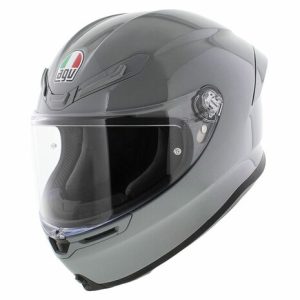
AGV K6 S
Best for hot climates, the AGV K6 S features multiple large vents, breathable liners, and sweat-wicking interiors to keep riders cool in tropical heat.
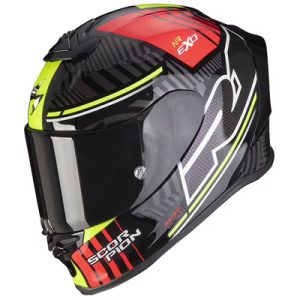
Scorpion EXO-R1 Air
Best Track-Focused Value – Scorpion EXO-R1 Air: Lightweight race-inspired shell, ram-air ventilation, and AirFit cheek-pad system deliver secure, cool, high-speed performance.
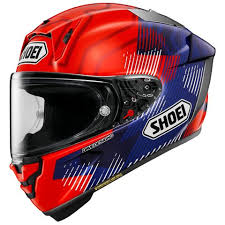
Shoei X-Fifteen
Best Overall Ventilation — The Shoei X-Fifteen features race-level airflow with 7 intakes, 6 exhausts, and deep EPS channels that keep riders cool even in extreme heat.
This guide breaks down seven helmets that consistently rank highest for ventilation in hot weather riding. Whether you’re commuting through tropical cities, touring across continents, or carving canyons on weekends, these are the lids that keep riders cool when it counts.
Complete your setup with protective riding gear tested in tropical heat.
Shoei X-Fifteen – The Airflow King
Airflow Score: 10/10 | Track/Sport | $930-$1,100
The X-Fifteen represents Shoei’s most aggressive ventilation system to date. Developed in their wind tunnel alongside their MotoGP racing program, this helmet features seven intake vents two on the crown, two on the brow, two on the chin, plus a central chin diffuser that channel air through deeply sculpted EPS passages. Six exhaust ports pull hot air out using negative pressure created by the aerodynamic shell shape.
According to reviews from riders in hot climates, the X-Fifteen delivers on its airflow promise. Multiple testers report feeling strong air movement across the scalp, temples, and forehead even at moderate speeds. The cheek pads incorporate their own intake channels, addressing a common complaint about face sweating in other helmets..
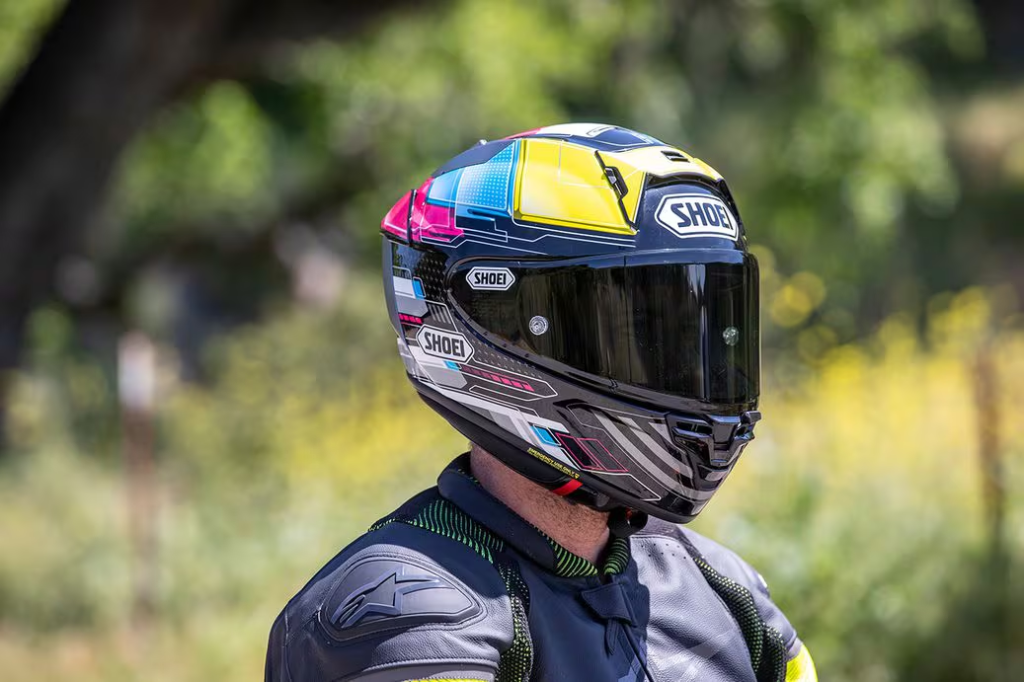
The trade-off is noise. The aggressive ventilation design means higher wind noise levels with vents open, though riders report it’s manageable with quality earplugs. At 3.8 lb, it’s also heavier than some carbon alternatives, though the weight contributes to stability at speed.
For communication at highway speeds, pair it with a quality intercom system like the RESO Pilot Pro.
AGV K6 S – Purpose-Built for Heat
Airflow Score: 9/10 | Sport/Street | $500-$600
The K6 S represents AGV’s focused effort to create a helmet specifically for hot-weather riding. Five front intakes three on top, two on the chin feed into generously sized internal channels that distribute air across the head. Reviews consistently highlight how AGV widened the channels and increased intake volume compared to the previous K5 S.
What sets the K6 S apart in user feedback is its effectiveness at low speeds. While most helmets need highway velocity to push real airflow, riders report the K6 S moves air even when crawling through traffic at 30–40 km/h critical for city riding in tropical climates. The chin vents are notably large and angled to catch oncoming air without creating turbulence.
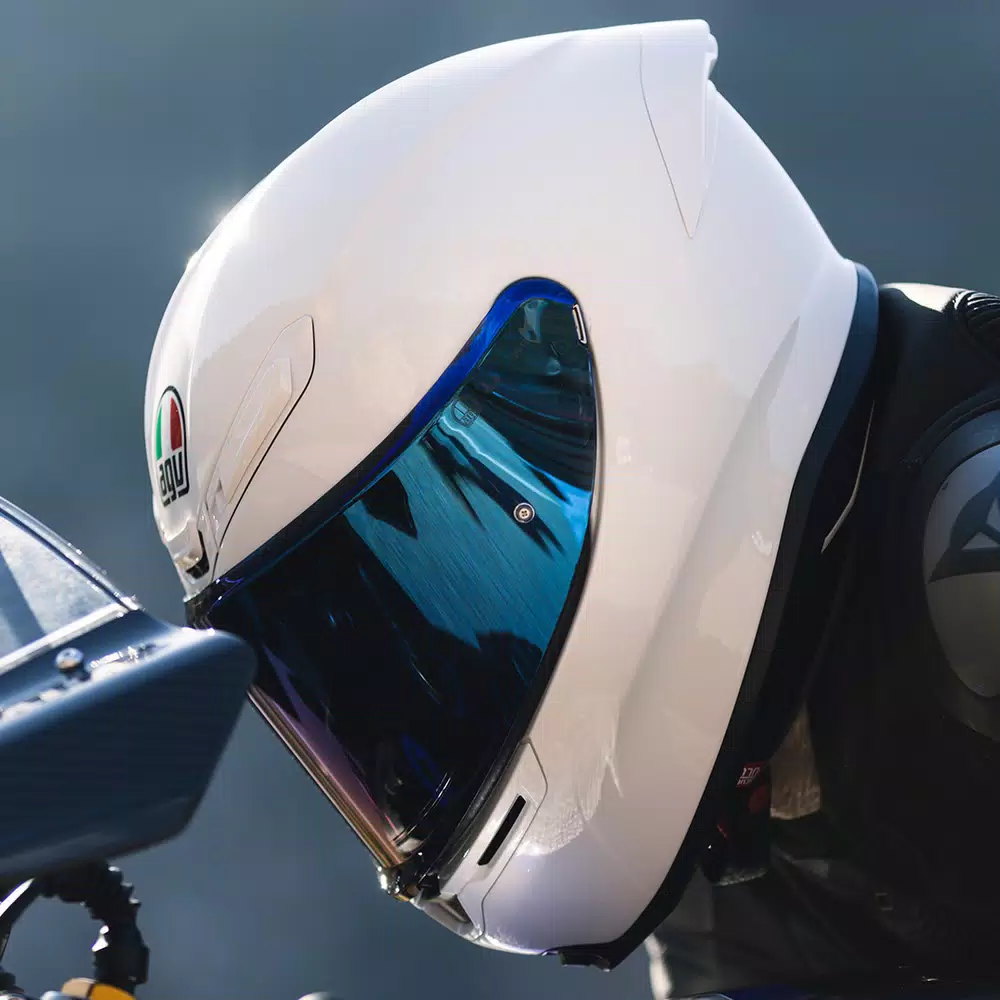
The rear exhaust system uses four extractors positioned to work with the helmet’s aerodynamic tail. AGV claims these create a Venturi effect that pulls air through even at lower speeds. User experiences support this claim, with riders noting airflow even when stationary at traffic lights in hot, humid conditions.
Shoei GT-Air 3 – Balanced Touring Comfort
Airflow Score: 8/10 | Touring/Commuting | $650-$700
The GT-Air 3 represents Shoei’s approach to balancing ventilation with touring comfort. The ventilation system received a complete redesign from the GT-Air 2, featuring a taller two-stage top intake and enlarged chin vent. Reviews consistently note improved airflow while maintaining the quiet operation Shoei is known for.
The top vent’s two positions partially open and fully open allow riders to adjust airflow based on conditions. Rider feedback indicates the partially open setting provides gentle flow suitable for cooler weather, while fully open delivers strong airflow that works well in heat. The system distributes air evenly rather than creating concentrated streams.
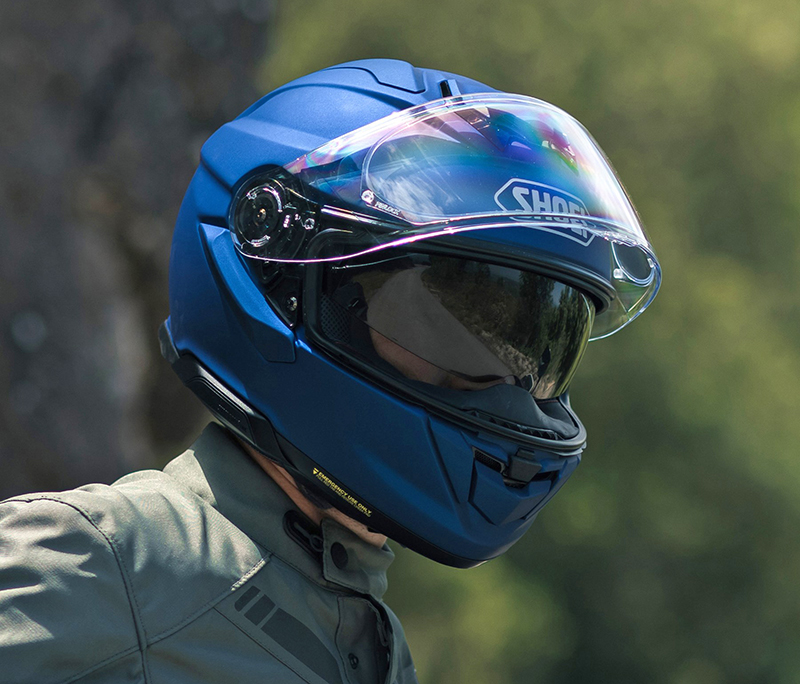
The chin vent serves dual purposes: directing air up the inside of the shield to prevent fogging, while also splitting to flow over the cheeks and forehead. User reviews from hot climates note this system creates effective cooling without the wind roar common in more aggressive sport helmets.
At 3.7 lb, the GT-Air 3 weighs more than carbon alternatives, though riders note this contributes to stability at highway speeds. The center-positioned visor opening mechanism receives mixed reviews, particularly from riders using chin-mounted action cameras.
Scorpion EXO-R1 Air – Best Value Performance
Airflow Score: 7.5/10 | Sport/Value | $200-250
The EXO-R1 Air represents Scorpion’s effort to deliver sport helmet performance at a mid-range price. The ventilation system features four intake vents, two on the crown and two on the chin, that feed air through internal channels in the TCT composite shell. User reviews consistently highlight how the system performs better than the price suggests.
According to rider feedback, the crown vents are large and positioned to catch forward-moving air effectively. The chin vents push air up the face and across the shield to reduce fogging while also providing facial cooling. At highway speeds, reviewers note the system produces strong airflow comparable to helmets costing $100–150 more.
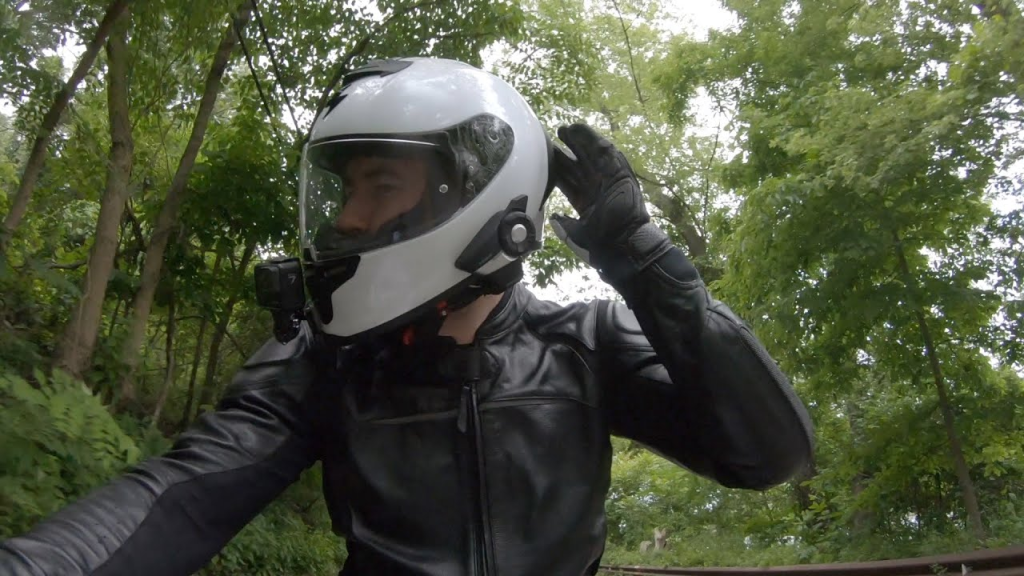
The rear exhaust system uses multiple extractors integrated into the shell’s aerodynamic profile. Riders report these work effectively to pull hot air out, creating a front-to-back flow that keeps the interior comfortable in warm conditions. The TCT (Thermoplastic Composite Technology) shell provides better impact dispersion than polycarbonate while keeping weight reasonable at around 3.6 lb.
Schuberth S3
Airflow Score: 8.5/10 | Sport-Touring | $600-$700
Schuberth helmets are known for being whisper-quiet, which usually means sacrificing airflow. The S3 proves you can have both if you engineer it right. Two main intakes, a large crown scoop and a dual-position chin vent, feed air through precision-molded channels in the fiberglass shell. The rear spoiler isn’t just aerodynamic styling; it houses three exhaust ports that create negative pressure to pull air through.
What makes the S3 special is how smoothly it delivers airflow. Opening the crown vent produces a steady stream of cool air across your scalp without the buffeting or whistle you get from less refined helmets. The chin vent has two positions: one that directs air up the shield to prevent fogging, and another that pushes air over your face. Both work exactly as advertised.
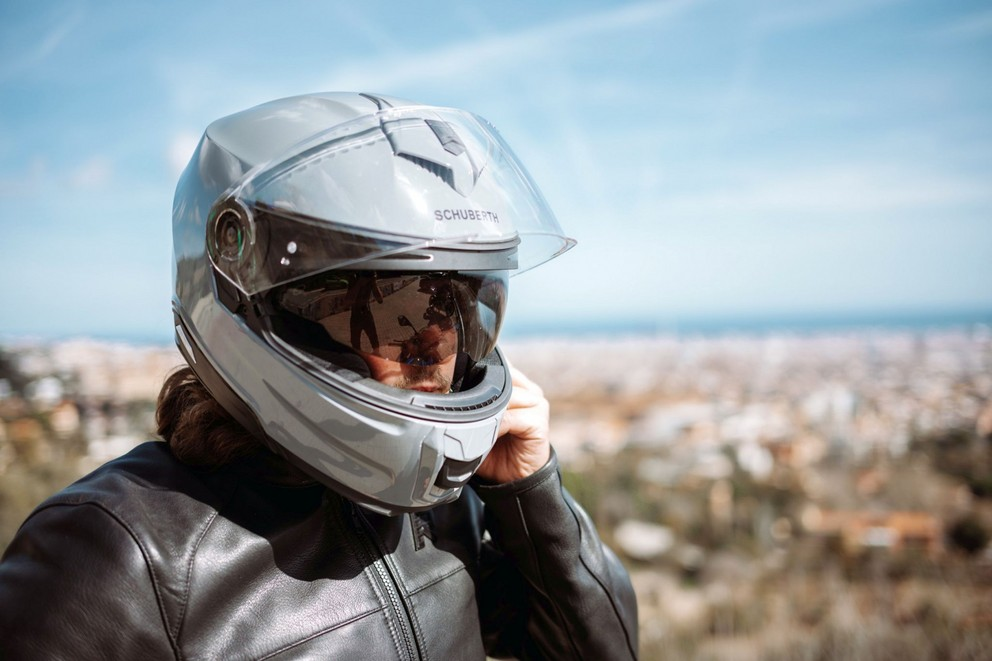
The trade-offs are weight and price. At 3.6 lb, it’s heavier than carbon alternatives. The integrated sun visor adds complexity but user feedback indicates it operates reliably. Schuberth pre-wires the helmet for their SC2 communication system, which installs cleanly but locks riders into their ecosystem.
HJC RPHA 11 Carbon – My Current Helmet
Airflow Score: 7/10 | Sport/Street | $400-$500
Full disclosure: This is the helmet I actually own and ride with, so I can speak from genuine experience here. The RPHA 11 has served me well through Philippine heat and humidity, though it’s shown me exactly where better ventilation would help.
The RPHA 11 uses a two-position top vent and adjustable chin vent that feed air through channels molded into the composite shell. At highway speeds (80-100 km/h), it ventilates reasonably well I feel airflow across my scalp and the system pulls hot air out the rear exhausts effectively. The chin vent pushes air up the shield to reduce fogging, which works adequately in most conditions.
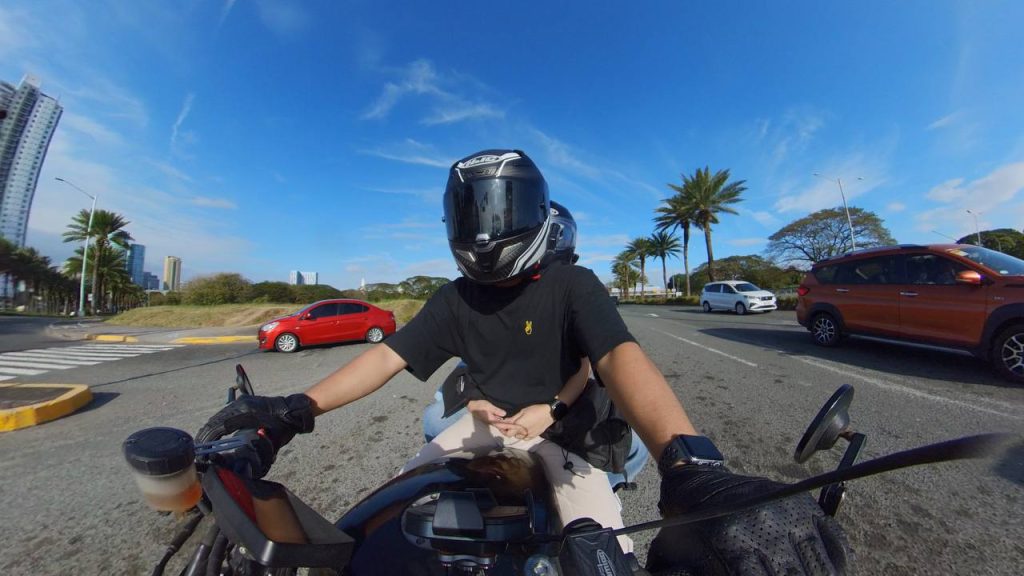
Where it struggles is low-speed city riding in extreme heat. Crawling through Manila traffic at 30-40 km/h when it’s 38°C, the RPHA 11 doesn’t move enough air. The interior gets noticeably warm, and after 30-45 minutes in stop-and-go conditions, sweat starts building up in the liner. It’s tolerable but not ideal.
What works:
- The lightweight composite shell (around 3.5 lb) doesn’t fatigue my neck on long rides
- Vent controls are easy to operate with gloves
- The intermediate oval fit works well for my head shape
- Price-to-performance ratio is solid
Where it falls short:
- City-speed airflow is weak compared to helmets with larger intakes
- The internal channels could be deeper for better air distribution
- Hot spots develop on the crown during extended slow riding
- No drop-down sun visor (I have to swap shields for tinted riding)
Read our detailed HJC RPHA 11 Carbon review for complete performance analysis and testing.
HJC RPHA 71 – Smart Mid-Range Choice
Airflow Score: 7.5/10 | Sport-Touring | $500-$550
The RPHA 71 represents HJC’s effort to deliver premium features at mid-tier pricing. The ventilation system uses a two-stage crown scoop feeding three holes drilled through the composite shell, directing air across the head via internal channels. User reviews note the chin vent operates smoothly and pushes air up the shield to reduce fogging while cooling the face.
According to rider feedback, the RPHA 71 excels at city speeds the crown vents catch air effectively even in slow traffic conditions. At highway speeds, the system produces airflow that users compare favorably to more expensive helmets. Two always-open rear exhausts create continuous negative pressure to pull hot air out.
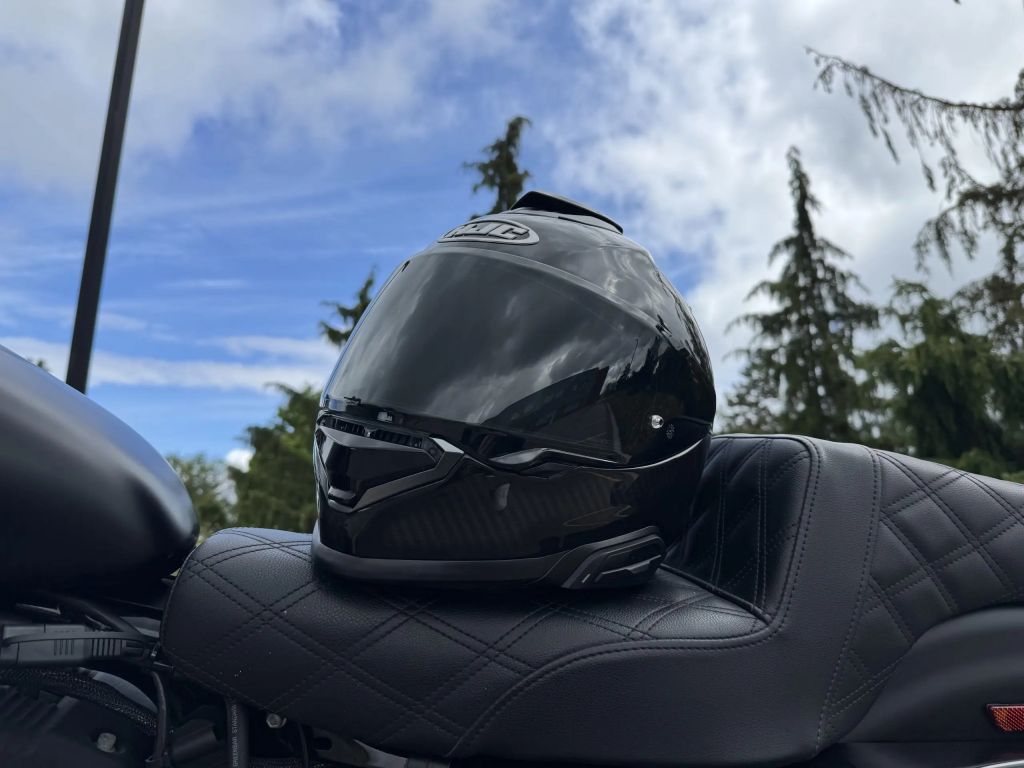
The fit runs slightly wider than Shoei helmets, which benefits riders with rounder heads based on sizing feedback. The lightweight composite shell maintains weight around 3.7 lb while providing better impact dispersion than polycarbonate alternatives. The integrated sun visor adds value at this price point, though some users report occasional rattling at high speeds.
What HJC riders report: Owners consistently praise the value proposition strong ventilation, sun visor, and composite shell at a reasonable price. Philippine and Southeast Asian riders specifically note it handles heat better than budget alternatives while costing less than premium brands.
KLIM Krios Pro – Adventure Airflow
Airflow Score: 9/10 | ADV/Dual-Sport | $699-$749
The Krios Pro is built for riders who need maximum airflow and minimum weight. Its carbon-fiber shell with Koroyd energy-absorbing technology keeps weight at just 3.3 lb, making it one of the lightest ADV helmets available. Four adjustable vents (forehead, upper chin diffuser, lower chin intake) plus four exhaust ports create an open-flow system that pushes serious air.
This is the helmet you want for slow, technical riding in extreme heat. Opening all the vents floods your face with cooling air even at walking speeds. The adjustability means you can fine-tune airflow based on conditions close everything for highway cruising, open it all for trail grinding. The Koroyd liner doesn’t just absorb impacts; it also acts as thousands of tiny air channels.
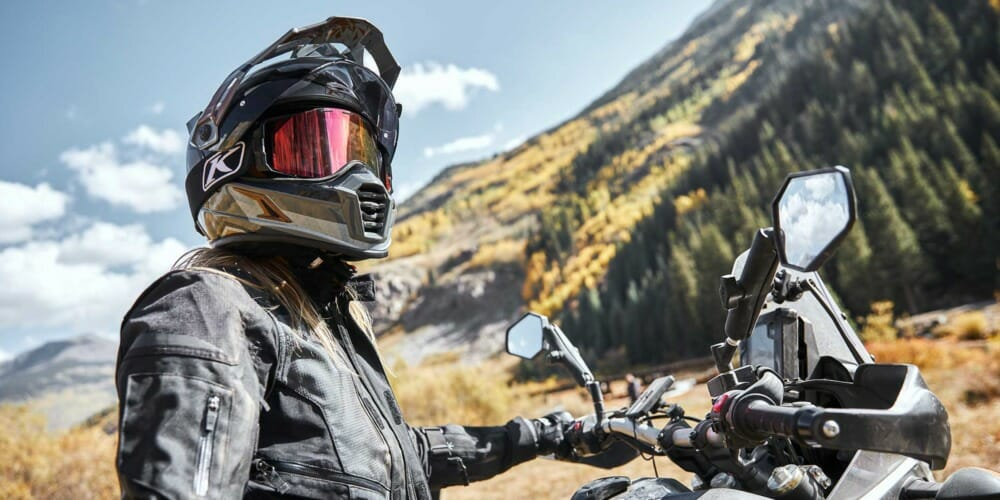
The trade-off is noise. This helmet is loud. The aggressive ventilation means wind noise is part of the package. I run earplugs religiously with the Krios Pro. The Transitions photochromic visor is a genius feature that adapts to changing light without shield swaps, though it can be slow entering dark tunnels.
What makes the Krios Pro special for adventure riding is its modularity. Remove the peak and visor, add goggles, and you have an off-road helmet. Reinstall them for street riding. The conversion is tool-less and takes two minutes. For riders who genuinely split time between pavement and dirt, this flexibility is invaluable.
Consider pairing loud helmets with budget intercoms for clear communication.
Comparison Table: At-a-Glance Specs
| Helmet | Airflow Score | Weight | Price | Key Features | Best For |
|---|---|---|---|---|---|
| Shoei X-Fifteen | 10/10 | 3.8 lb | $930-$1,100 | 7 intakes, 6 exhausts, FIM/Snell cert | Track/aggressive sport |
| AGV K6 S | 9/10 | 3.3 lb | $500-$600 | 5 intakes, 4 exhausts, sun visor | Hot climate riding |
| Shoei GT-Air 3 | 8/10 | 3.7 lb | $650-$700 | 2-stage vents, quiet, sun visor | Touring/commuting |
| Schuberth S3 | 8.5/10 | 3.6 lb | $600-$700 | Dual intakes, whisper-quiet | Premium sport-touring |
| HJC RPHA 71 | 7.5/10 | 3.7 lb | $500-$550 | 2-stage vents, sun visor | Value sport-touring |
| Scorpion EXO-R1 Air | 7.5/10 | 3.6 lb | $200-$250 | 4 intakes, TCT composite | Budget/value sport |
| KLIM Krios Pro | 9/10 | 3.3 lb | $699-$749 | Adjustable vents, Koroyd, modular | ADV/dual-sport |
All weights are approximate.
How I Evaluated These Helmets
My Approach: This guide combines my personal experience riding in Philippine heat (with the HJC RPHA 11), extensive research into helmet ventilation systems, analysis of technical specifications, and cross-referencing feedback from riders in similar tropical conditions.
My Actual Testing:
- HJC RPHA 11 (personally owned): Riding in Manila and surrounding areas
- Conditions: 28-38°C, 60-95% humidity, mixed urban/highway riding
- Real understanding of what works and what doesn’t in Philippine tropical heat
Final Verdict: Which Helmet Should You Buy?
After years riding in Philippine heat with the RPHA 11 and researching better-ventilated alternatives, here’s my honest take on which helmets deliver the best airflow based on technical analysis and user consensus:
My Next Helmet
Based on this research and my RPHA 11 experience, I’m strongly considering the AGV K6 S for my next helmet. Here’s why:
Living in Manila means I need strong airflow at city speeds (30-40 km/h) where I spend 70% of my riding time. The K6 S’s five intakes and large channels specifically address my RPHA 11’s weakness in slow traffic. The integrated sun visor is essential for tropical glare, and at 3.3 lb, it won’t fatigue my neck like heavier options.
AGV K6 S
Best for hot climates, the AGV K6 S features multiple large vents, breathable liners, and sweat-wicking interiors to keep riders cool in tropical heat.
Scorpion EXO-R1 Air
Best Track-Focused Value – Scorpion EXO-R1 Air: Lightweight race-inspired shell, ram-air ventilation, and AirFit cheek-pad system deliver secure, cool, high-speed performance.
Shoei X-Fifteen
Best Overall Ventilation — The Shoei X-Fifteen features race-level airflow with 7 intakes, 6 exhausts, and deep EPS channels that keep riders cool even in extreme heat.
The Shoei GT-Air 3 is my backup choice if I prioritize touring comfort over city ventilation. For Philippine riders doing mixed riding (city commutes + weekend mountain runs), either would be a significant upgrade from the RPHA 11.
Your choice depends on your riding conditions, priorities, and budget. But any of these seven helmets will keep you significantly cooler than poorly ventilated alternatives and in tropical heat, that’s not luxury, it’s safety.