When I first installed the Chigee XR-2 on my 1990 Yamaha XJR 400, I was cautiously optimistic. The specs looked good, the initial testing went well, and my first impressions were overwhelmingly positive. But anyone who’s ridden long enough knows that initial impressions and long-term reality are often two very different things.
Five months later, with the XR-2 having seen everything from scorching summer heat to torrential downpours, from daily city commutes to weekend canyon carves, I can finally answer the question that matters most: does it actually hold up?
Chigee XR-2
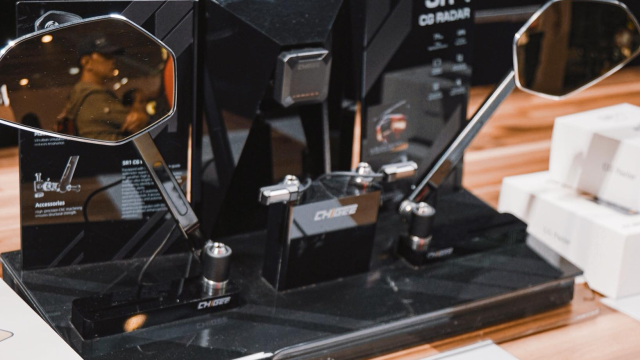
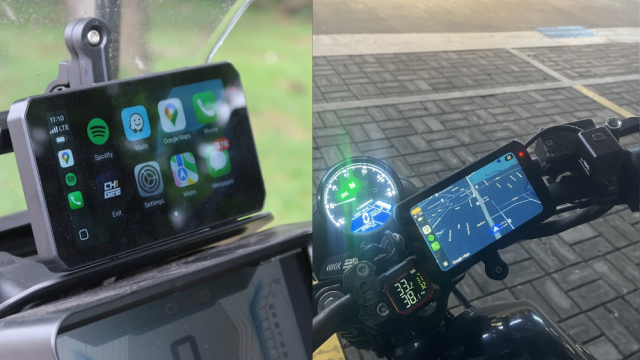
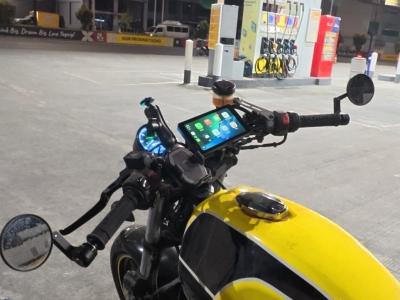
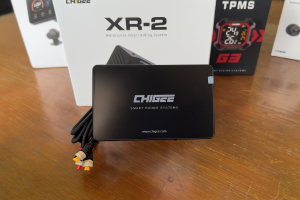
The XR-2 is a compact, handlebar-mount CarPlay / Android Auto “smart riding” display and dashcam unit for motorcycles. It features a 4.3-inch touchscreen that mirrors your smartphone interface, dual front/rear cameras for recording, and optional external tire pressure sensors for real-time monitoring. It integrates navigation, ride logging, and safety features into one compact system.
The short answer: absolutely.
What Changed After the Initial Review
When you first install any new electronics system, everything works perfectly. The screen is pristine, the connection is instant, and you’re riding on that new-gear high where every feature feels like a revelation. Five months is long enough for that shine to wear off and for the character of a product to show through.
The Durability Test Nobody Plans For
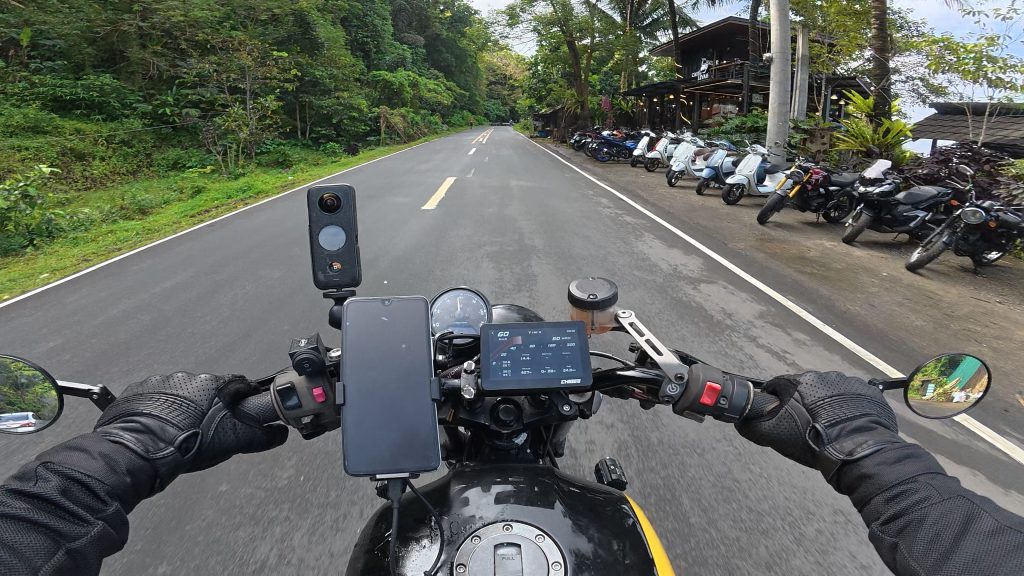
I’ve put the XR-2 through conditions I didn’t anticipate when I first mounted it. A particularly brutal rainstorm caught me on the expressway with zero visibility and water sheeting across the screen. Not a drizzle a proper tropical deluge that had cars pulling over. The XR-2 didn’t just survive; it kept functioning exactly as it should, with the screen remaining responsive and the cameras recording clearly.
That IP68 rating I mentioned in my initial review? It’s not marketing. After five months of exposure to dust, rain, humidity, and daily motorcycle use, there’s no degradation in performance. The touchscreen still responds instantly, even with wet gloves. The cameras haven’t fogged, and the connections haven’t corroded.
This kind of reliability builds trust. When you know your electronics will work regardless of conditions, you stop worrying about them and just ride. That’s exactly the relationship you want with your bike’s systems.
Hardwired Power System: The Reliability Advantage
One of the XR-2’s smartest design choices is its hardwired connection to the motorcycle’s electrical system. Unlike battery-powered units that need charging or can die mid-ride, the XR-2 draws power directly from the bike. This means it’s always ready when you are no charging cables to remember, no battery degradation over time, and no range anxiety on long rides.
Power Management in Extended Use
On several all-day rides running 6–8 hours straight, the XR-2 maintained consistent performance throughout recording video continuously, maintaining GPS tracking, and handling navigation duties. All powered directly from the motorcycle without any concerns about running out of juice. The XJR’s battery system handles the additional load without breaking a sweat.
This hardwired approach has proven particularly valuable during my daily commute. I never think about power levels, never worry about forgetting to charge the unit overnight, and never deal with the degraded performance that comes with aging batteries. The system simply works, every ride, every time.
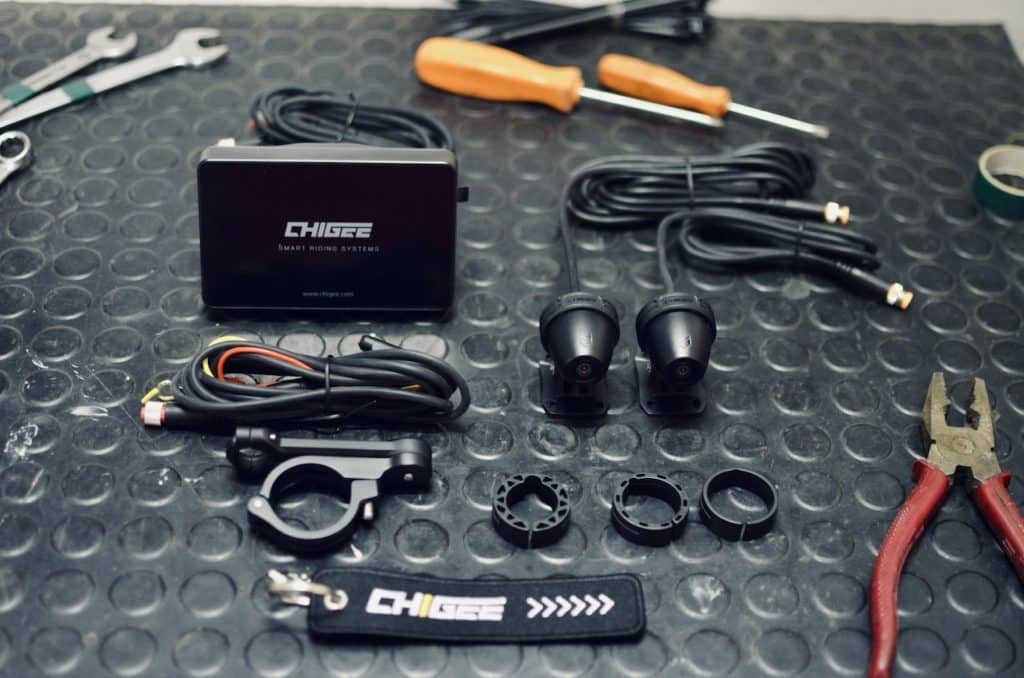
The only consideration is that the XR-2 requires professional installation to properly tap into the motorcycle’s electrical system. This isn’t a plug-and-play accessory you mount yourself in ten minutes. But after five months of absolutely reliable operation, the investment in proper installation has more than justified itself.
The TPMS System: From Novelty to Necessity
In my initial review, I mentioned that the TPMS felt like a nice extra I probably wouldn’t use much. Five months later, my perspective has completely changed. The tire pressure monitoring system has become one of the most valuable features of the entire setup.
Tire Issues Caught Early
About three months into ownership, the rear tire started showing a gradual pressure drop over a few days. Nothing dramatic just a couple of PSI here and there. Without the TPMS, I probably wouldn’t have noticed until handling felt off or the tire looked low. Instead, the XR-2 alerted me to the trend, and I found a small nail embedded in the tread before it became a roadside emergency.
That single incident justified the entire TPMS investment. Catching a slow leak early meant a simple plug repair instead of a potential blowout or stranded ride. The peace of mind alone is worth it, but the actual safety benefit proved itself when it mattered.
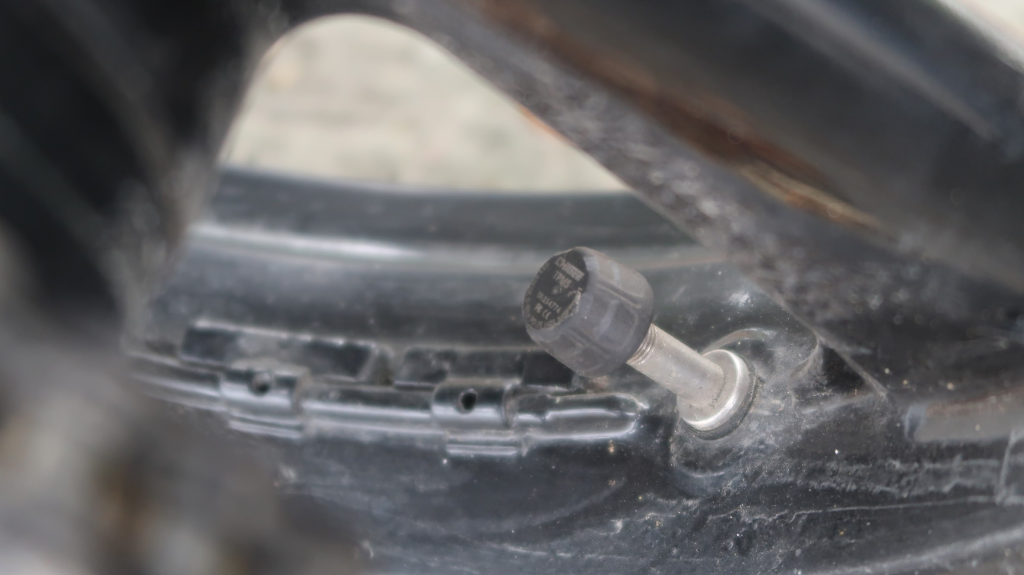
The temperature monitoring has also proven useful, especially during long rides in hot weather. Watching tire temps climb on extended highway runs provides useful feedback about riding conditions and tire health. It’s information I never had before, and now I can’t imagine riding without it.
Camera System: The Evidence That Matters
The dual 1080p cameras have recorded hundreds of hours of riding by now. Most of that footage is mundane. Daily commutes, routine rides, nothing dramatic. But that’s exactly the point. The cameras sit there quietly documenting every ride, just in case.
When Documentation Became Essential
Two months ago, a car cut across two lanes without signaling and nearly sideswiped me on the expressway. I managed to brake and swerve, avoiding contact, but it was close enough that my heart rate spiked and my hands were shaking afterward. The driver never even acknowledged what happened and continued on their way.
I pulled over, checked the XR-2’s footage, and there it was crystal clear documentation of the entire incident, including the car’s license plate and the moment they crossed into my lane. I didn’t need to file a report in this case, but knowing I had that evidence was reassuring. If there had been contact, insurance involvement, or disputes, I had objective proof.
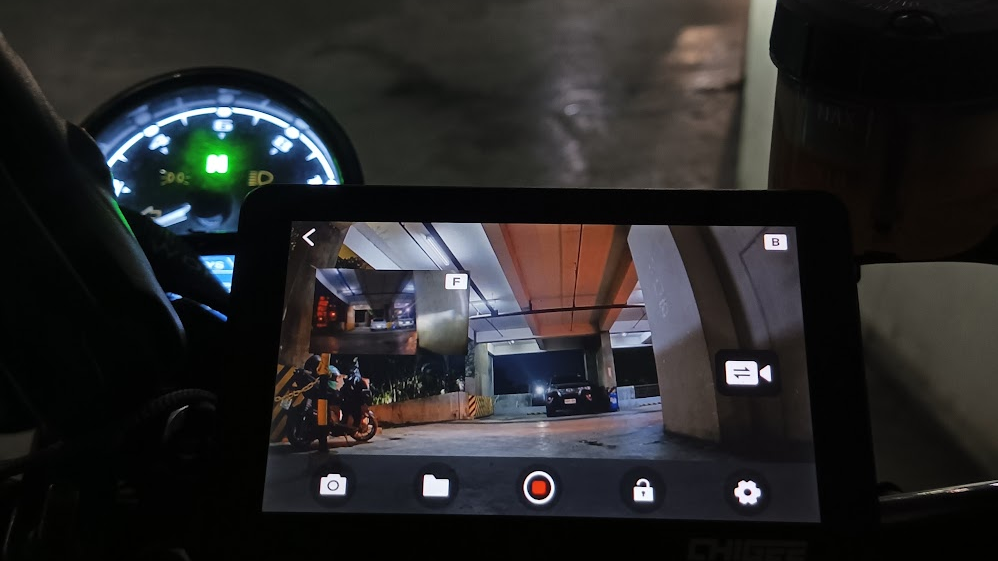
The cameras have also proven their worth in less dramatic ways. I’ve used the footage to review my own riding, identify areas where I could improve my line selection or positioning, and generally become more aware of my habits on the road. It’s like having a riding coach who’s always watching. Only you get to choose when to review the feedback.
GPS Performance in Challenging Environments
The XR-2’s integrated GPS performs reliably in dense urban environments where signals often struggle. During my daily commute through areas with tall buildings, it maintains accurate positioning and consistent tracking without the dropouts I previously experienced with phone-based GPS systems.
On longer rides through mountainous terrain and areas with limited cellular coverage, the independent GPS proved especially useful. Even when my phone lost signal, the XR-2 continued recording my route and maintaining core tracking functions. This provides an added layer of security, knowing that my ride data will still be recorded even if my phone battery dies or connectivity is lost.
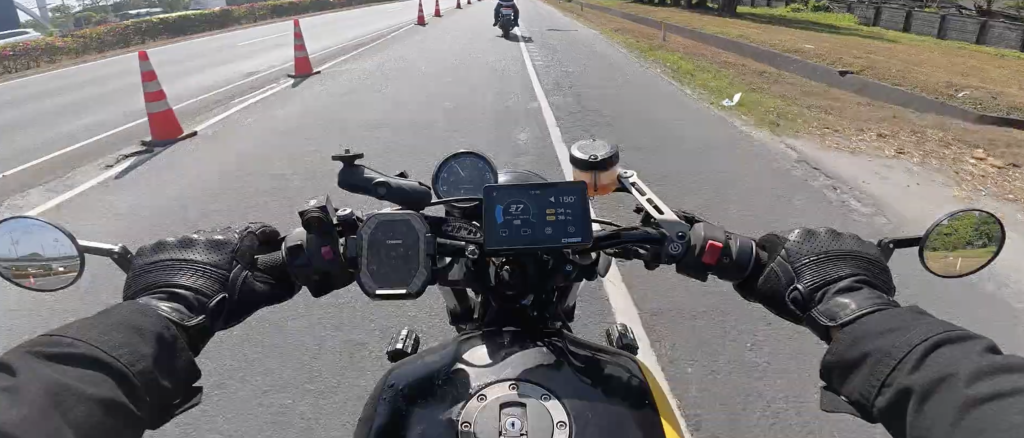
However, it’s important to note that the XR-2 is not meant to replace a phone’s navigation system. Its GPS primarily tracks speed, route position, and ride data, rather than offering full navigation, apps, or communication features.
Over time, the ride recording feature has built a personal archive of my last five months on the XJR 400. I can review routes taken, total distances covered, and overall riding patterns creating a simple but meaningful riding history that’s automatically documented.
Screen Visibility: The Test of Time and Sun
That 1400-nit brightness I praised in the initial review? Still delivering. After five months of exposure to direct sunlight, dust, and daily use, the screen remains as bright and clear as day one. There’s no dimming, no dead pixels, and no degradation in visibility.
Smart Map Switching continues to be one of those features that works so seamlessly you forget it’s there riding into tunnels, under overpasses, through tree-covered roads. The screen adjusts instantly every single time. After five months, I’ve stopped noticing the transitions because they’re so smooth and natural.
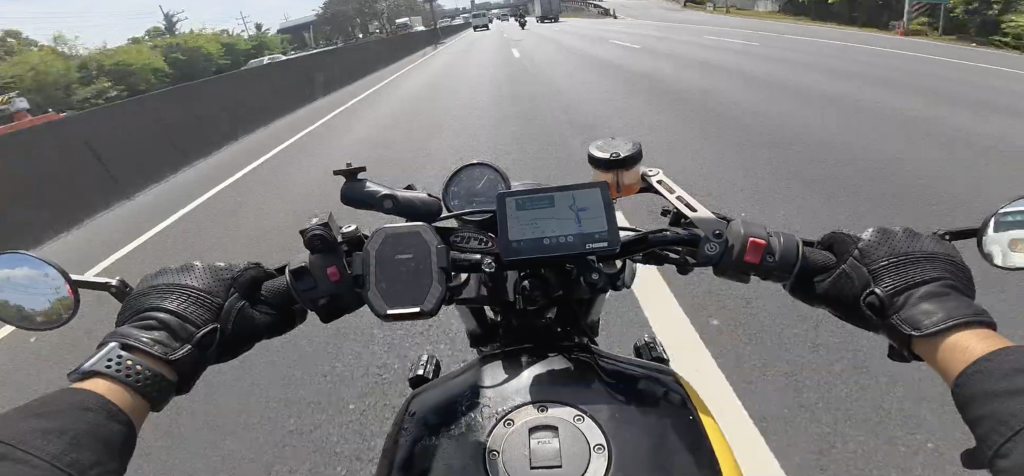
This kind of polish in the details separates good electronics from great electronics. It’s the difference between a feature that sounds good in marketing materials and one that actually enhances your daily riding experience without demanding attention or adjustment.
Wireless CarPlay: The Connection That Doesn’t Fail
Initially, I was skeptical about wireless CarPlay reliability. I’ve used other wireless systems that struggled with connection stability, especially over time as software updates and iOS versions changed. The XR-2 has proven those concerns unfounded.
Consistent Connection Performance
Every single ride, the XR-2 connects to my iPhone within seconds of powering on. There’s no pairing dance, no failed attempts, no random disconnections. It just works. This consistency has made the wireless connection completely transparent I don’t think about it anymore, which is exactly how it should be.
I’ve gone through two iOS updates during these five months, and the CarPlay connection adapted without issues. Navigation through Apple Maps remains smooth and responsive, music playback is instant and reliable, and call handling works flawlessly every time. The system feels more stable now than it did on day one, suggesting that either firmware updates or continuous use has refined the connection protocol.
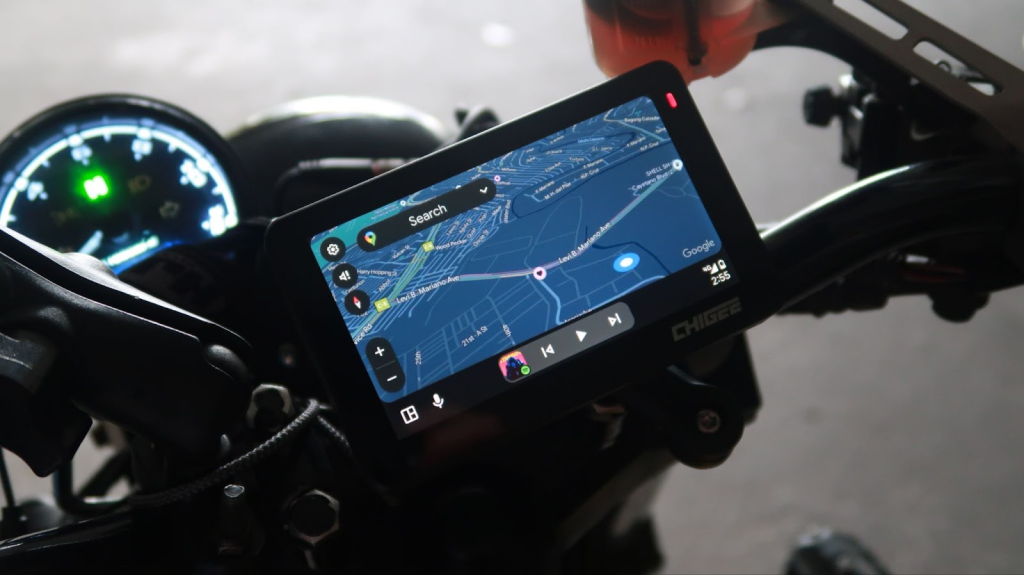
The integration with my riding routine has become seamless. Music starts automatically when I start riding, navigation picks up from where I left off, and everything just flows naturally. This is the kind of “it just works” experience that’s rare in motorcycle electronics.
Build Quality: What Five Months Reveals
When you first mount any new equipment, everything looks and feels perfect. Five months of daily use reveals the truth about build quality and materials choices. The XR-2 has held up remarkably well.
No Rattles, No Degradation
The mounting system remains tight and secure. There’s no play in the mount, no loosening of connections, and no rattles or vibrations. On a bike like the XJR 400 with significant engine vibration, this stability is particularly impressive. The XR-2 sits exactly where I mounted it five months ago, showing no signs of movement or degradation in the mounting hardware.
The physical buttons and ports show minimal wear despite constant use. The power connection remains solid, the memory card slot functions perfectly, and the overall fit and finish looks nearly identical to day one. There’s some minor dust accumulation in the crevices inevitable on any motorcycle equipment but nothing that affects performance or appearance from riding distance.
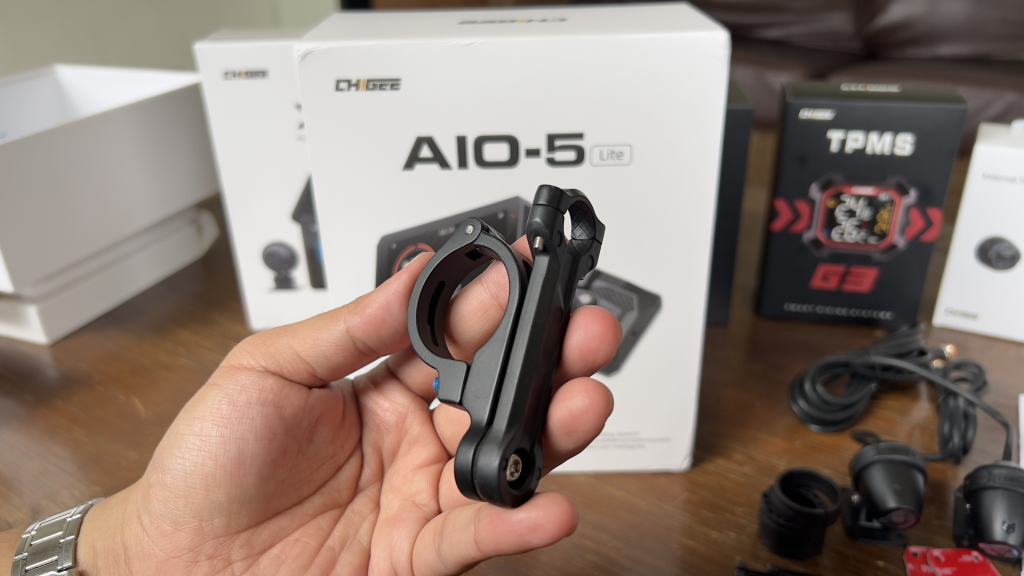
The unit’s housing shows no cracks, no fading, no degradation from UV exposure. This durability suggests that the XR-2 will continue serving reliably for years, not just months. That long-term reliability is what you need in motorcycle electronics. Systems that last as long as the bike itself.
When the Electrical System Failed (But the XR-2 Didn’t)
In December 2024, I hit a hump during a ride and immediately felt intense heat on my leg and under my seat. Then smoke started coming out, followed by that endless “thiiiiiiiittt” sound of electrical failure.
I pulled over fast and killed the ignition. The impact had caused the XJR 400’s battery to short circuit, cooking the main positive and negative wires hot enough to feel through my leg. I pulled the wires from the battery, and the sound stopped—the main battery wiring was completely fried.
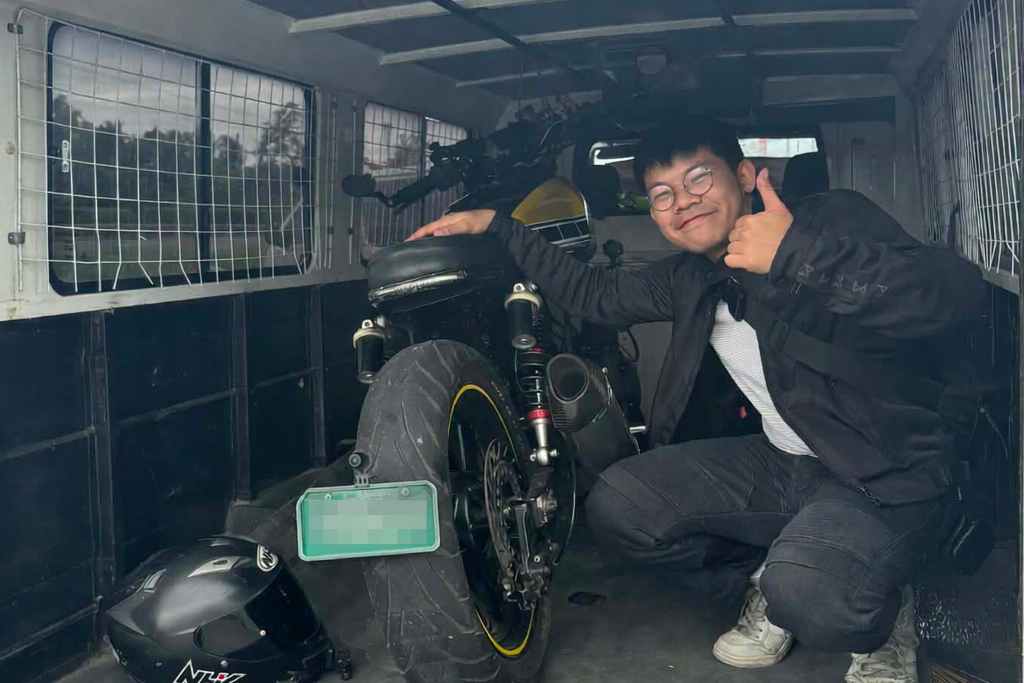
The Chigee XR-2’s wiring came through completely unscathed. Despite being hardwired into the same electrical system that was literally producing smoke, proper wire gauge, correct fusing, and professional routing protected it. After replacing the damaged battery wiring, the XR-2 fired up immediately and has continued operating perfectly.
It’s one thing to claim quality installation. It’s another to survive your bike’s electrical system cooking itself from a road impact. The XR-2 proved itself when it actually mattered.
Value Assessment After Extended Use
When I first purchased the XR-2, the value proposition seemed strong based on features and specifications. Five months later, I can evaluate value based on actual utility and reliability.
Cost Per Mile, Cost Per Benefit
Breaking down the cost across five months of daily use, the XR-2 has provided hundreds of hours of navigation without phone drain, complete documentation of every ride for insurance and safety purposes, early detection of tire issues that prevented potential emergencies, and seamless connectivity that replaced multiple separate devices.
When you calculate value based on features prevented (the tire issue alone), safety enhanced (documented incidents), and convenience delivered (no more phone mounting or charging), the XR-2 pays for itself quickly. Add in the long-term reliability suggesting years of continued service, and the value proposition becomes even stronger.
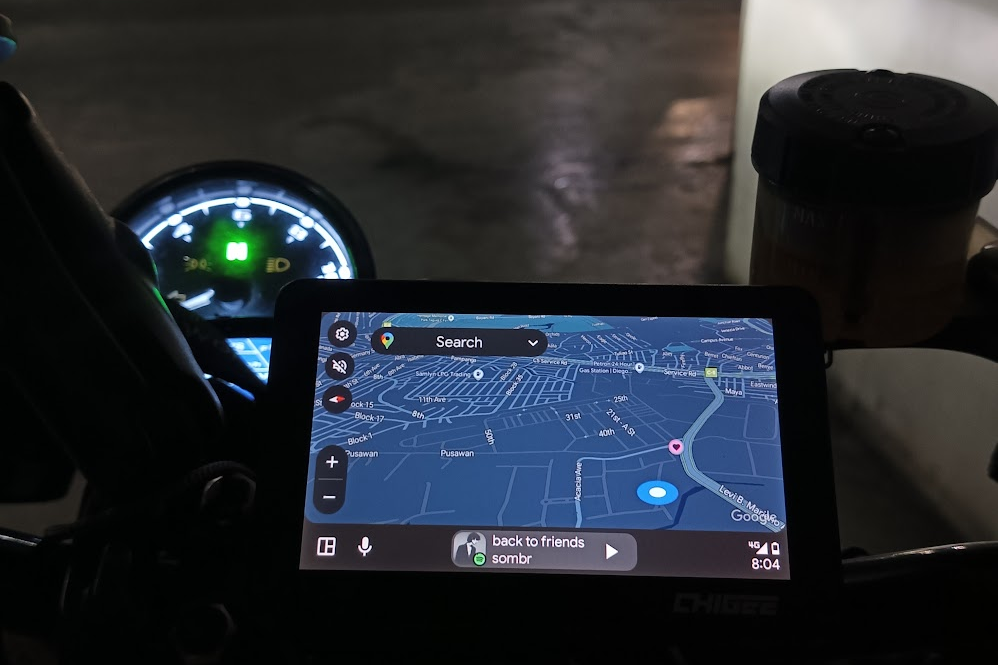
Compared to premium systems costing significantly more, the XR-2 delivers 90% of the functionality at 60% of the price. For riders of classic bikes, smaller displacement machines, or anyone who values proportional design, it’s become clear that the XR-2 isn’t just good value. It’s the right choice.
Unexpected Benefits
The Confidence Factor has completely changed how I approach riding. With reliable navigation, continuous documentation, and real-time tire monitoring, I feel more willing to explore unfamiliar routes and handle busy traffic with less hesitation. Over time, this consistent performance built genuine trust, and the XR-2 has fully earned that confidence.
This sense of assurance isn’t immediate, it develops gradually as the system proves itself ride after ride. Knowing incidents are recorded and tire pressure is constantly monitored allows me to push the XJR a bit harder while still feeling in control. That psychological boost has become one of the XR-2’s most valuable benefits.
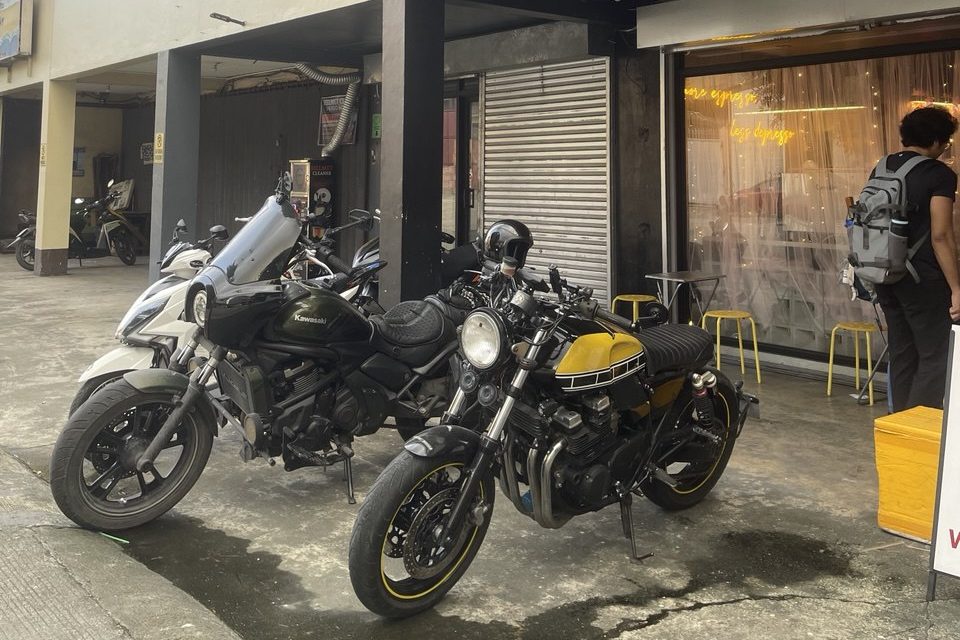
The Aesthetic Integration turned out to be just as impressive as its functionality. What first seemed like a clean, non-intrusive install now feels like a natural extension of the bike, enhancing its classic look rather than disrupting it. Friends and fellow riders often remark how perfectly it blends in, modernizing the XJR while preserving its timeless character.
Five-Month Feature Assessment
| Feature | Initial Promise | Five-Month Reality |
|---|---|---|
| Screen Brightness | 1400 nits claimed | Delivers consistently, no degradation |
| IP68 Waterproofing | Highest rating available | Proven in torrential conditions |
| Built-in GPS | Independent operation | Rock solid in challenging environments |
| Dual Cameras | 1080p documentation | Clear footage, caught actual incidents |
| Wireless CarPlay | Seamless integration | Perfect connection every single ride |
| TPMS System | Optional monitoring | Prevented tire emergency, essential feature |
| Hardwired Power | No charging needed | Flawless operation, true set-and-forget |
| Build Quality | Premium construction | Zero issues, looks nearly new |
The Long-Term Perspective
Initial reviews are about potential. Five-month reviews are about reality.
The reality of the Chigee XR-2 after five months of daily use on my 1990 Yamaha XJR 400 is this: it’s become an essential part of my riding experience, not through flashy features or impressive specifications, but through reliable, consistent performance that makes every ride better.
It hasn’t failed. It hasn’t frustrated. It hasn’t required constant attention or maintenance. It simply works, day after day, ride after ride, delivering exactly what it promises without drama or disappointment.
Chigee XR-2
The XR-2 is a compact, handlebar-mount CarPlay / Android Auto “smart riding” display and dashcam unit for motorcycles. It features a 4.3-inch touchscreen that mirrors your smartphone interface, dual front/rear cameras for recording, and optional external tire pressure sensors for real-time monitoring. It integrates navigation, ride logging, and safety features into one compact system.
In a market full of motorcycle electronics that overpromise and underdeliver, that deteriorate after the excitement of new ownership fades, or that require constant troubleshooting and adjustment, the XR-2 stands apart by doing something remarkably simple: it keeps working.
For riders of classic bikes like my XJR 400, for anyone who values proportional design and essential functionality over maximum features, for those seeking electronics that enhance riding without dominating it, the Chigee XR-2 has proven itself beyond any initial review could demonstrate.
The honeymoon phase is over. The reality is better.