Every helmet manufacturer tells you their lid is quiet and well-ventilated. Most of them are lying or at least choosing their words very carefully. The reality is that noise and airflow have always traded against each other, and riders in the market have been quietly accepting that compromise for years.
I tested it across Metro Manila commutes and highway runs, and the reaction after the first ride was straightforward disbelief. Both things are real, both things are happening at the same time, and neither one is a marketing exaggeration. That is the headline and the rest of this review explains exactly how.
Schuberth S3
A premium sport-touring full-face helmet with a carbon-reinforced composite shell, dual-density EPS liner, Pinlock 120 pre-installed, flip-down sun visor, plug-and-play SC2 communication system with pre-installed speakers and microphone, and an Anti-Roll-Off System. Built for serious distance riders who refuse to compromise between comfort and protection.
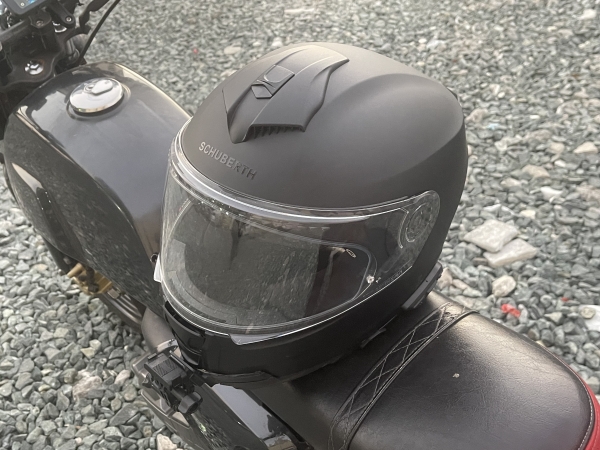
What makes the S3 especially compelling is that it does not simply split the difference between a sport helmet and a touring helmet it fully commits to both. The neck roll seals out noise without making the helmet hard to put on, the vent system moves serious air without the whooshing pressure, and the communication setup feels like it came from the factory floor rather than an afterthought installation.
What You Actually Need from a Sport-Touring Helmet
Before getting into the specifics, it is worth being honest about what makes a sport-touring helmet actually work for daily riding in Philippine conditions. Whether you are filtering through EDSA or stretching your legs on NLEX, the priorities are completely different from a controlled track day or a slow touring weekend.
Here, heat is the enemy. Long stop-and-go traffic in tropical humidity will expose every weakness in a helmet’s ventilation design. Noise fatigue matters too riding in a loud helmet for an hour in Expressway traffic is genuinely exhausting. Add in the need for solid intercom performance for navigation audio, and you have a specific set of demands that many premium helmets still fail to meet consistently.

What separates a genuinely great sport-touring helmet from the rest is simple: it has to do all of these things simultaneously, without compromise. Ventilation that disappears when you stop moving, noise reduction that actually persists at highway speed, and communications that do not require a weekend and a soldering iron to install properly. That is the standard the S3 is being held to here.
Shell Construction: German Engineering in the Details
The S3’s shell is built using Schuberth’s Direct Fibre Processing (DFP) method a carbon-reinforced fiberglass composite that is compressed in a vacuum at high pressure with a special resin. A basalt fibre layer is added for additional impact absorption strength. It is not a full carbon helmet, but it is not a standard fibreglass shell either the result is a shell that strikes a strong balance between weight and impact performance.
One important thing to know about sizing: Schuberth uses two shell sizes, covering XS through L on one shell and XL through 3XL on another. If you are used to Japanese helmets from Shoei or HJC, be aware that Schuberth sizing runs differently a medium Schuberth is typically 57–58 cm, while a large in other brands might overlap the same head circumference. The only right move here is to try it on in person before buying.
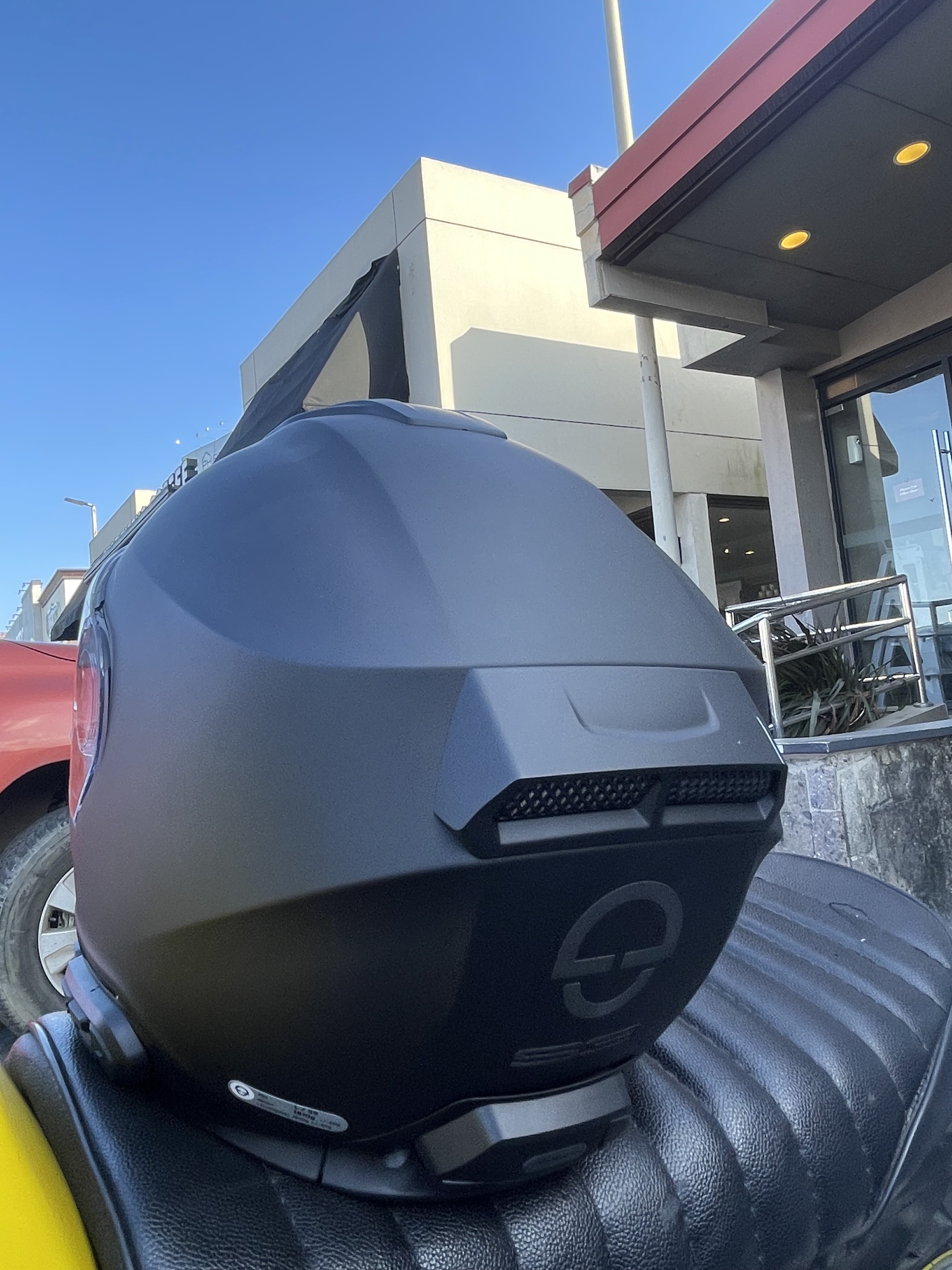
The interior uses a dual-density EPS liner, with a softer outer layer to absorb energy from lower-speed impacts and a firmer inner layer for severe impacts. This is the correct engineering approach and one that is still not universal even in the premium segment. Combined with the Schuberth Individual Program which lets you swap padding inserts.
Aerodynamics and Noise: The Part That Will Genuinely Surprise You
I went into the S3 review expecting it to be quiet. Schuberth has a strong reputation for noise management, and the S3 is wind-tunnel tested with a claimed noise level of 85 dB at 100 kph. What I did not expect was just how much quieter it feels compared to everything else I have worn.
The key to this is a combination of factors working together: the aerodynamic shell geometry manages airflow over and around the helmet rather than letting it pile up and create turbulence. The tight elasticated neck roll seals the gap at the base without being difficult to put on. And turbulator ridges along the top edge of the visor break up airflow that would otherwise create noise where the visor meets the shell.
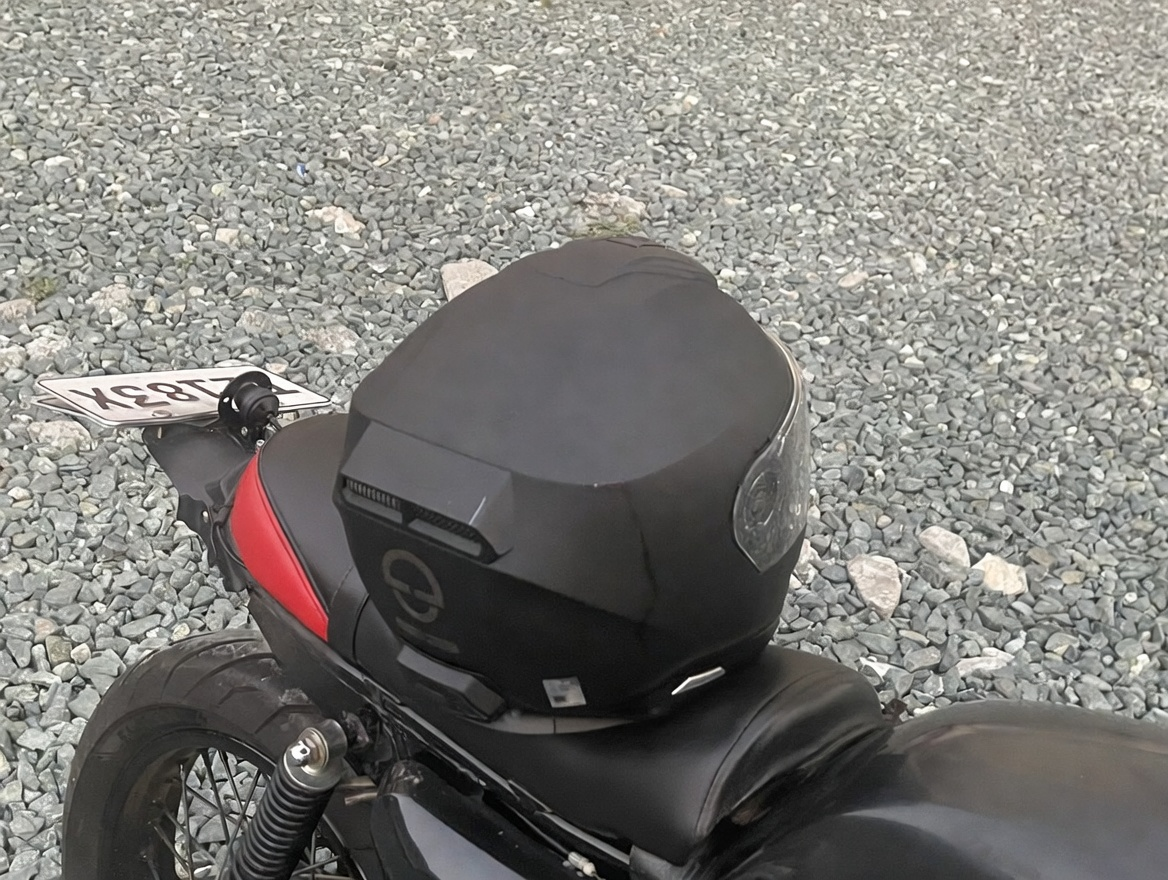
At highway speeds, the S3 is simply in a different category. Wind noise drops to an ambient background hum that you are aware of but not distracted by. This is the kind of quiet that makes a 90-minute expressway run feel significantly less tiring, not just marginally more comfortable.
What makes the noise reduction remarkable is that it coexists with genuinely aggressive ventilation. These two things should fight each other. On the S3, they do not and that is the engineering achievement worth paying attention to.
Ventilation: The Chin Vent That Pushes Air Into Your Eyes
This is where the S3 does something I have not experienced on any other helmet I have tested, and it requires a direct description because it sounds unusual: when you open the chin vent, you can feel the air pushing upward through the interior and across your eyes.
Not toward your face in a vague general sense. Toward your eyes a focused stream of cool air moving up from the chin bar, across the interior, and out through the exhaust vents at the top of the shell. At highway speeds the effect is immediate and strong. In city traffic, even at 30–40 kph, you can feel it working.
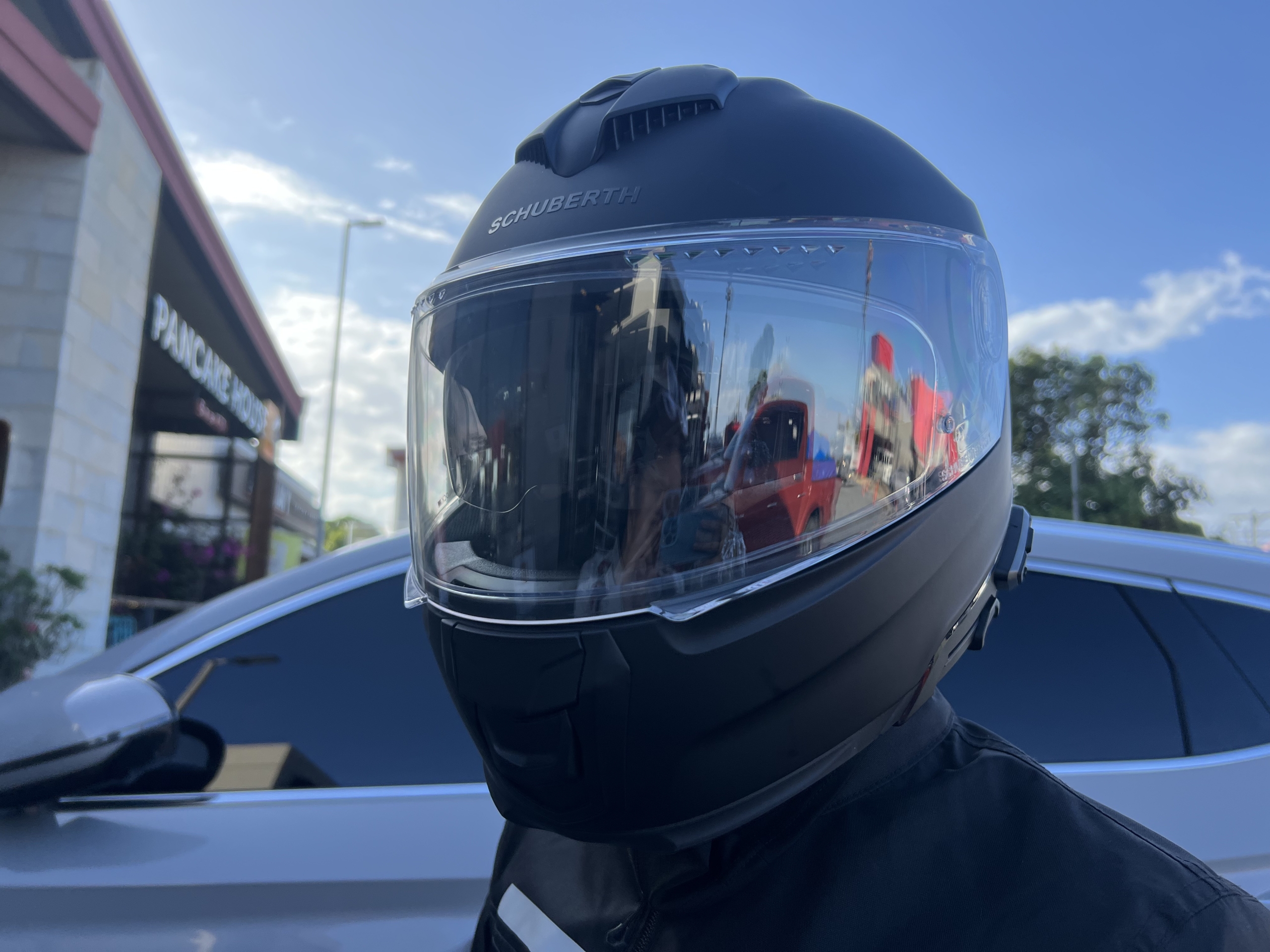
The system consists of a double inlet on the chin bar plus a vent on the upper forehead, with exhaust vents at the rear of the shell. When the chin vent is fully open, the internal channelling routes air across the top of your head and pulls it rearward through the EPS. The entire interior breathes rather than just the front section.
For riders in Metro Manila where stop-and-go heat is a very real factor this ventilation performance is not a small thing. It is the difference between arriving at your destination frustrated and sweaty versus arriving feeling like the ride was actually refreshing. The S3 keeps air moving even when you are barely moving yourself.
The combination of this ventilation and the helmet’s quietness is genuinely hard to wrap your head around at first. The conventional assumption is that you open up a helmet for airflow and the noise comes in with it. On the S3, the noise does not come in. That is the headline.
Looking for a premium helmet with real airflow and silence? Check out our full Shoei GT-Air 3 review.
Visor and Sun Shield: Optically Correct, Fog-Ready Out of the Box
The S3 ships with a Pinlock 120 pre-installed the highest-grade Pinlock insert available which means fog resistance is built in from the moment you put the helmet on. You do not need to go back to the shop, order an insert, and figure out installation. It is already done.
Beyond the fog resistance, the main visor is Class 1 optical quality, which is a Schuberth signature and means the lens meets the most demanding optical distortion standards. Riding through fast corners without visor distortion affecting your perception of the road is something you notice more when it is absent than when it is present. On the S3, distortion is simply a non-issue.
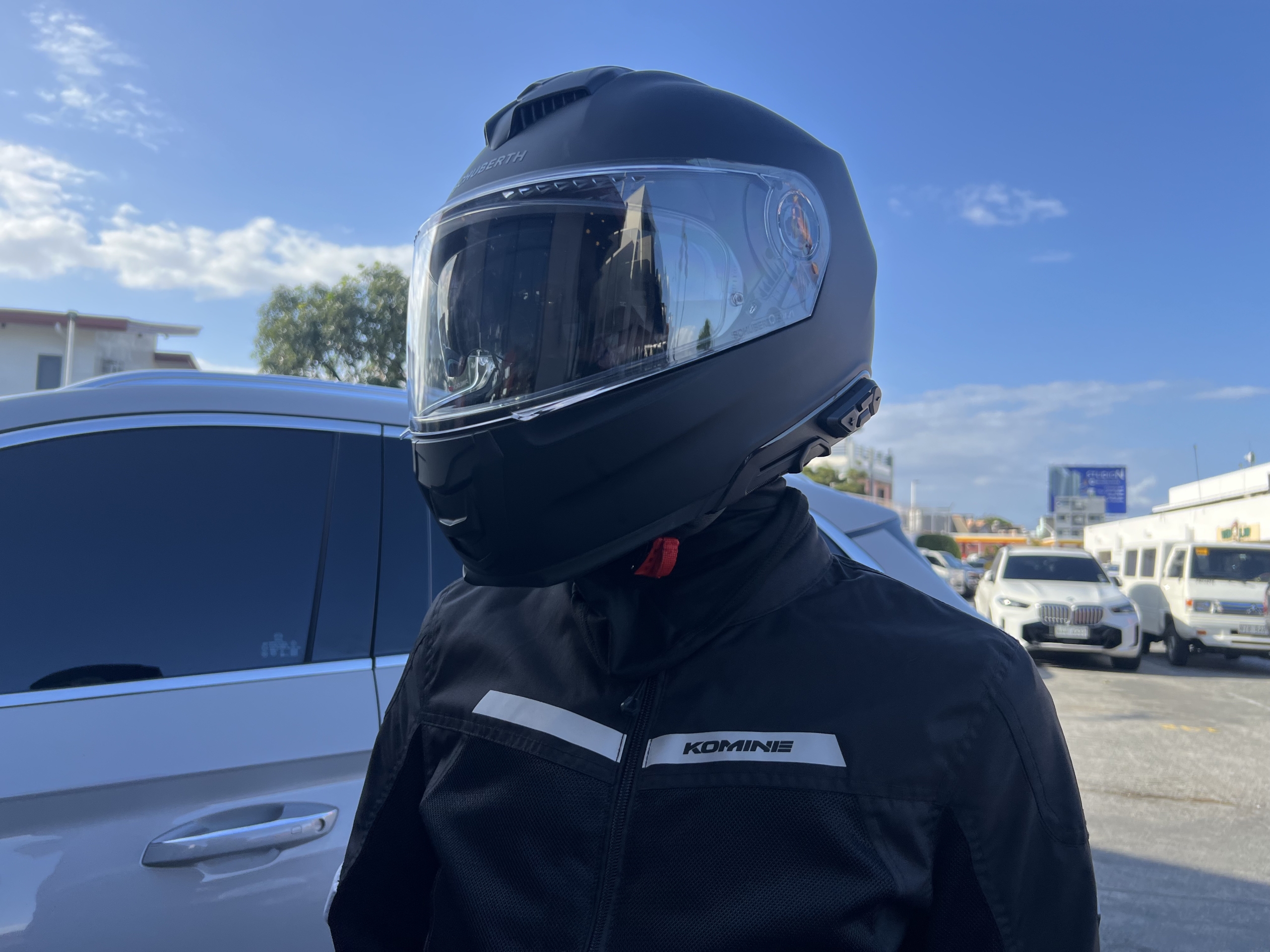
The visor has a proper crack position a detent that holds the visor open just a small amount for additional airflow when you need it. This sounds minor but is genuinely useful in slow traffic when you want a bit more air without fully opening the visor. There are then four additional firm detent positions that hold the visor securely at different heights without it dropping or drifting.
The flip-down sun visor is one of Schuberth’s signature features across their entire helmet range. It deploys smoothly and offers a dark tint that handles glare effectively without making darker sections of road feel too dim. The mechanism integrates a V-lock system that keeps the sun visor securely in position without wobble or drift at speed.
Want a mesh jacket that fits Filipinos properly? Check out our full Komine JK-181 review.
A Small Quirk: The Chin Vent and Visor Tab Proximity
The chin vent on the S3 sits close to the visor tab and visor locking mechanism. When you are reaching for the chin vent in traffic particularly with gloves on there is a brief period of adjustment as your hand learns to distinguish between the two controls without looking down.
This is not a dealbreaker. After a handful of rides it becomes instinctive and stops registering as a nuisance at all. But if you are coming from a helmet with a more spatially separated chin vent and visor tab, expect a short adjustment period. Riders who put the helmet on in a hurry occasionally knock the chin vent closed while reaching for the visor it is a small thing, but worth knowing.
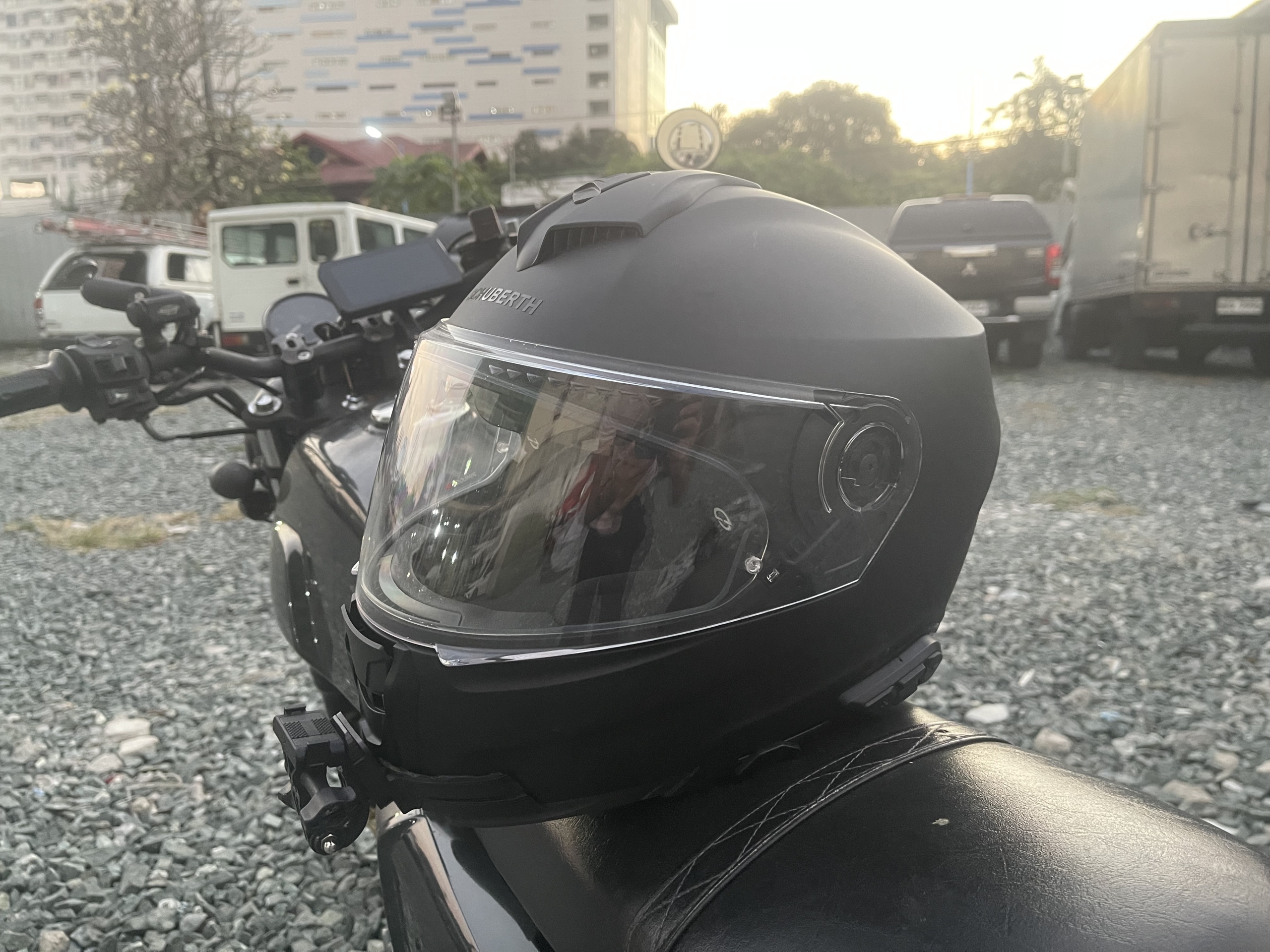
Tight control layout needs brief adjustment once learned, S3 remains intuitive and hassle-free for daily riding.
For camera mounting purposes, the chin bar controls placement is also worth checking against your specific mount setup before committing. For most riders without front-mount hardware, this is entirely irrelevant.
Struggling to stay cool in tropical heat? Check out our best ventilated motorcycle helmets 2026.
Comfort: Customizable to Your Head Shape
The S3 fits with a firm initial snugness that eases into a very comfortable medium-term wear. The intermediate-oval head shape fits a wide range of riders, but the Individual Program padding customization is the feature that truly sets the S3 apart in this area. You can dial in the cheek pad thickness sport or comfort and adjust the rear pads to shift between a rounder or more oval interior profile. Most helmets give you one interior and ask you to live with it. The S3 gives you options.
The neck roll seals firmly against your neck to help manage noise, but there is enough stretch built into it that getting the helmet on and off does not require a fight. Long-distance wearers will appreciate that the seal stays comfortable even after multiple hours it does not create a choke point that makes you want to stop and loosen the helmet.
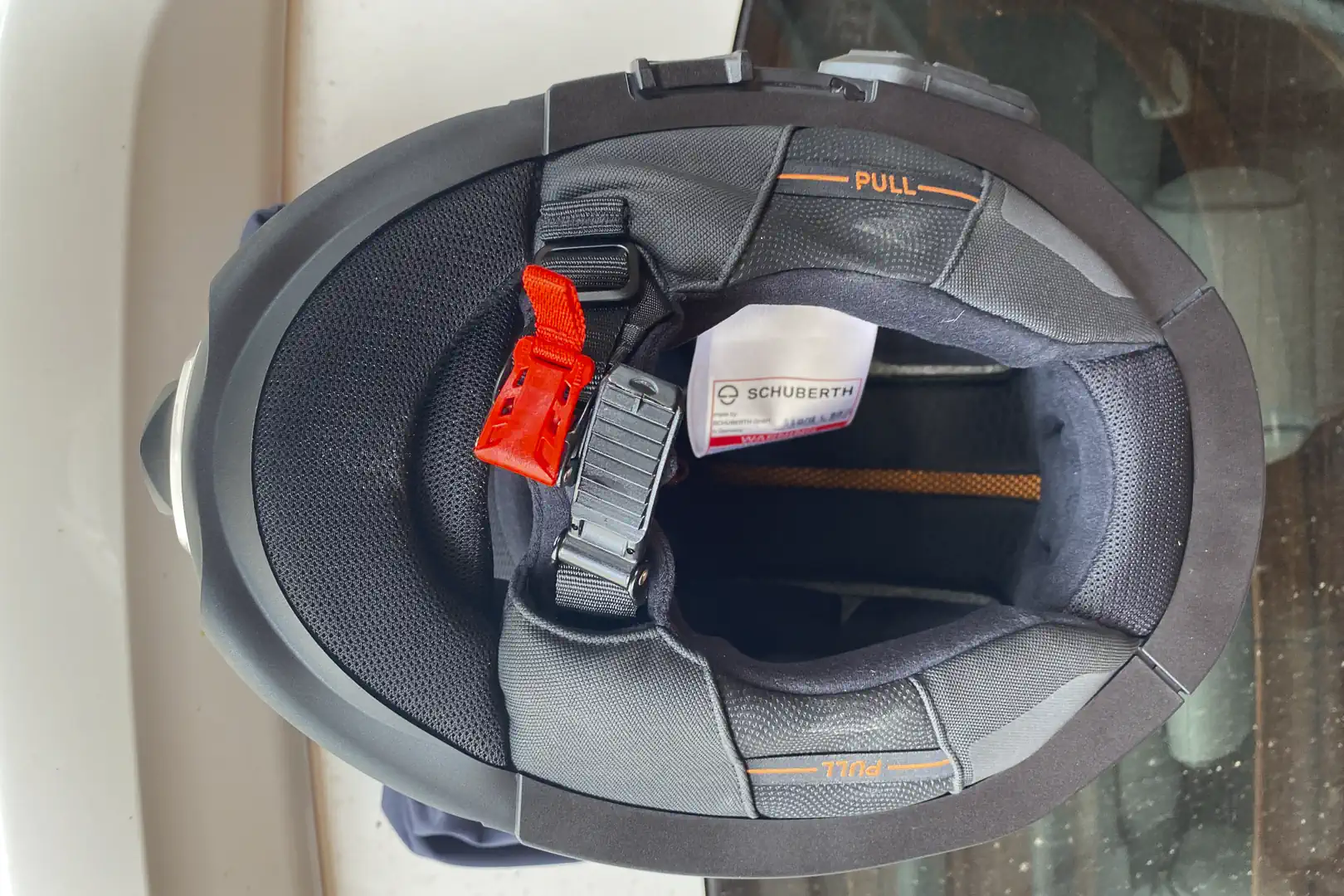
The chinstrap uses a micro-metric ratchet closure rather than a double D-ring, which is easier to manage with gloves on and provides consistent, repeatable tension every time you clip in. It does not slip or require adjustment during a ride once set correctly.
Build Quality and Safety Features
The hardware on the S3 reflects its premium position. The retention system is built with a micro-metric ratchet buckle that closes and releases cleanly, requires deliberate action to release (preventing accidental unclipping), and handles gloved operation without fumbling. Every interface point on the helmet feels deliberately engineered rather than assembled to a cost target.
For safety, the S3 includes two systems worth highlighting. The Anti-Roll-Off System (AROS) integrates a pair of straps that connect to the chinstrap and anchor into the rear of the shell. On impact, these straps tighten to prevent the chinstrap from rolling forward off the chin, significantly reducing the risk of the helmet coming off in a crash. This is a Schuberth-developed feature that has been part of their helmet lineup for years and is genuinely absent on most of the competition.
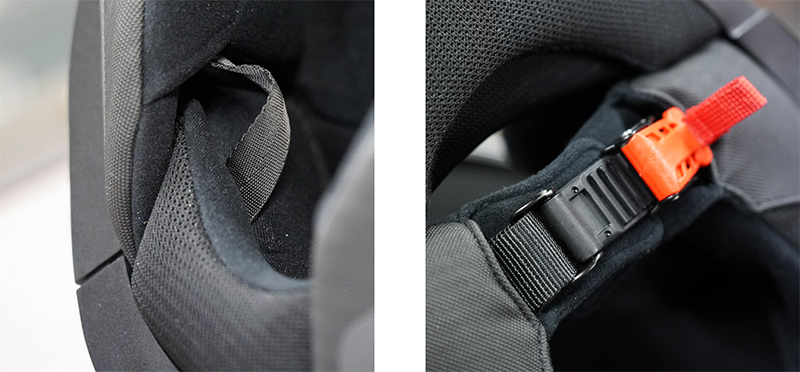
The Schuberth Rescue System (SRS) adds emergency pull straps at the base of each cheek pad. First responders can release the cheek pads quickly, reducing the force required to remove the helmet and minimising neck movement in a post-crash extraction. It is the kind of detail that you hope you never need but that genuinely matters when it matters most.
The ECE 22.06 certification is the most demanding helmet safety standard currently in effect for the international market, and the S3 carries it as a baseline.
Communication Integration: The Part That Actually Impressed Me the Most
The S3’s approach to communication systems is the thing that caught me off guard most during this review. Coming from helmets where intercom installation means running wires, positioning speakers, routing cables through the liner, and hoping the result does not press uncomfortably against your ears the S3 is in a completely different category.
The helmet comes pre-installed with speakers, microphone, and antenna, all perfectly positioned from the factory. The Schuberth SC2 system (based on Sena 50S) is plug-and-play just insert the battery, attach the remote, and it’s ready. No wiring, no adjustments needed.
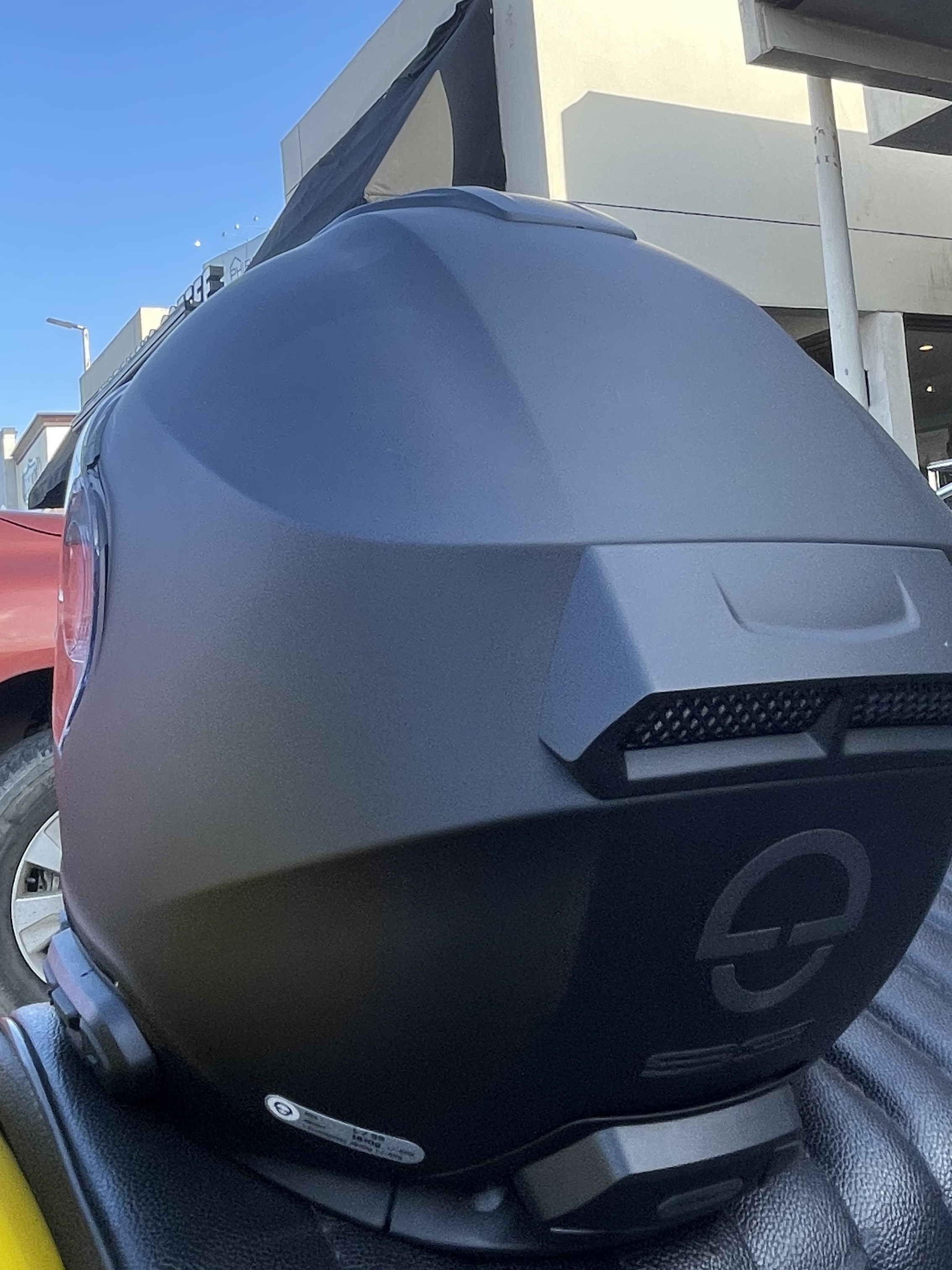
I genuinely expected to need to wire everything the way I have on every other helmet I have set up communications on. The fact that you just slot things in and it works cleanly and with zero exposed wiring is a level of integration that other manufacturers charge a premium for in special “comms-ready” editions. On the S3, it is just how the helmet works.
The speaker performance is what makes the S3 my favorite helmet for audio. Music remains clear and defined even at high highway speeds. The speakers sit perfectly in the ear recesses with no pressure, and the integrated antenna ensures stable reception, unlike some external units.
Feature Summary
| Feature | Schuberth S3 Specification |
|---|---|
| Shell Construction | DFP carbon-reinforced fiberglass + basalt layer |
| Shell Sizes | 2 shells: XS-L / XL-3XL |
| Retention System | Micro-metric ratchet buckle |
| Visor | Class 1 optical quality, Pinlock 120 pre-installed |
| Internal Sun Visor | Flip-down, V-lock mechanism |
| Ventilation | Double chin bar inlet + forehead vent + rear exhaust |
| Communication Ready | Pre-installed speakers, mic, integrated antenna; SC2 plug-and-play |
| Noise Level | Claimed 85 dB at 100 kph; genuinely exceptional in real use |
| Fogging | Pinlock 120 included non-issue from first ride |
| Interior Customization | Individual Program adjustable cheek pad and rear pad thickness |
| Anti-Roll-Off System | AROS integrated with chinstrap |
| Emergency Release | SRS cheek pad quick-release for first responders |
| Safety Certification | ECE 22.06, DOT |
Final Perspective
Used to tolerating acceptable helmet noise on the expressway, ventilation that only works at speed, and communication setups that take hours to install, these annoyances now feel unnecessary. The S3 eliminates them, making the ride noticeably more comfortable and effortless.
The ventilation and quietness are the real headline. That combination continues to surprise me because, by every previous standard, the two should trade off but on this helmet, they don’t. This is the core of what Schuberth got right with the S3.
Schuberth S3
A premium sport-touring full-face helmet with a carbon-reinforced composite shell, dual-density EPS liner, Pinlock 120 pre-installed, flip-down sun visor, plug-and-play SC2 communication system with pre-installed speakers and microphone, and an Anti-Roll-Off System. Built for serious distance riders who refuse to compromise between comfort and protection.
The communication integration is another standout. Plug in the SC2, hear music clearly at highway speeds, and enjoy zero visible wiring or installation hassle. For riders willing to invest, the S3 delivers consistently, with ventilation you feel, quiet that stays, and a helmet that simply disappears on your head, ride after ride.