Picking a motorcycle in the Philippines is genuinely confusing — and not just because of the options. It’s because the advice you find online is almost always written for American or European roads, American or European budgets, and American or European riding habits. None of that translates cleanly to riding through Quiapo, grinding up Kennon Road, or doing a cross-Luzon haul on a budget.
This guide is built differently. It’s written from the perspective of actually riding here — where road quality can flip from smooth expressway to cratered provincial asphalt in 10 kilometers, where traffic means something very specific, and where ₱200,000 is a serious investment that deserves an honest answer.
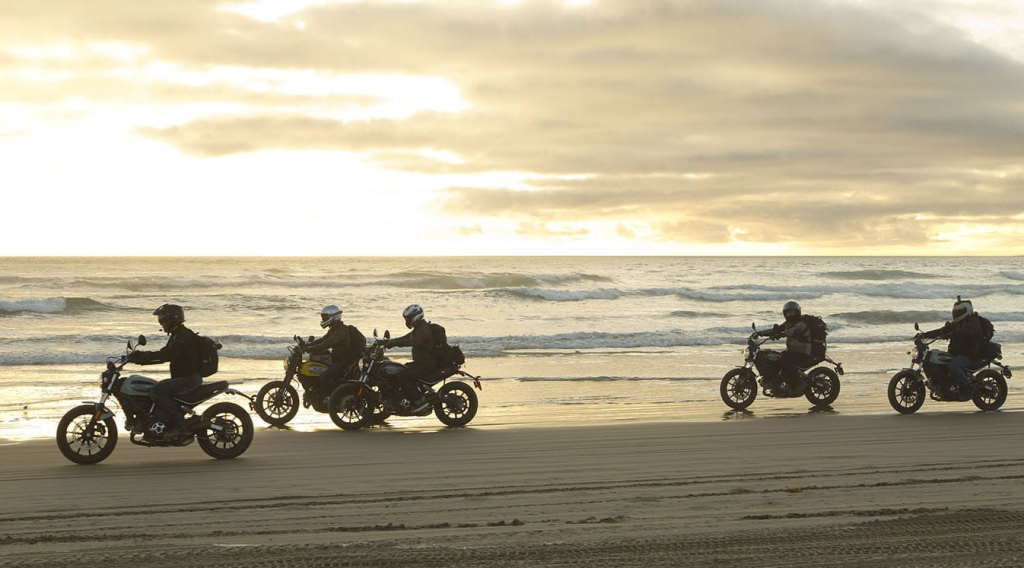
The real question isn’t “which motorcycle is best.” It’s which one matches the way you actually ride — not the version of yourself you imagine on weekends.
The Big Categories, Explained Without the Marketing
Before anything else, here’s a plain-language breakdown of what each motorcycle type is actually built to do. No spec-sheet talk, no brand bias.
Trail Blazers: ADV / Adventure Bikes
Think of an ADV as a motorcycle that refuses to commit to just one road surface. High suspension, a tall stance, and wide handlebars give it the confidence to cross broken roads, gravel paths, and light dirt tracks — the kind of roads you’ll encounter the moment you leave any major Philippine city.
The riding position is upright, which reduces fatigue on long hauls. Most ADVs have larger fuel tanks, which matters when you’re deep in a province and the next Petron is 60 kilometers away. They accept luggage systems easily, making them natural companions for multi-day trips.
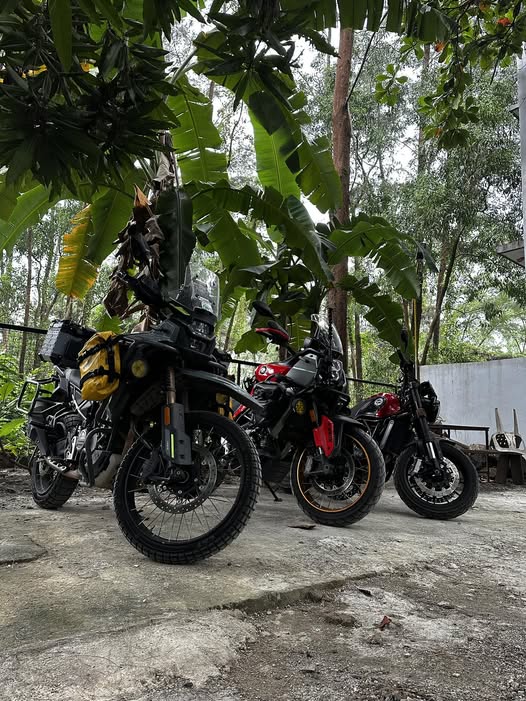
Where they shine locally: Batanes explorations, Cordillera mountain routes, mixed-surface provincial touring, anywhere that rewards a bike with genuine suspension range and ground clearance.
Where they struggle: Mall parking, tight city filtering, and anywhere you need to put both feet flat. The seat height on most ADVs sits above 850mm, which is a real concern for shorter riders. They’re also heavier than they look — a loaded mid-size ADV can humble you in a U-turn.
Philippine price range:
- Entry-level (Honda CRF300L, Kawasaki KLX300SM): ₱150,000 – ₱220,000
- Mid-range (Honda CB500X, CFMoto 450MT, Suzuki V-Strom 650): ₱320,000 – ₱500,000
- Premium (BMW GS series, KTM 890 Adventure): ₱800,000 – ₱1,500,000+
Best for: Riders who travel to provinces regularly, hate being limited by road type, and don’t mind a taller bike.
If you’re planning long provincial routes, the Chigee XR-2 is the riding display we’ve tested for 5 months across Philippine roads cameras, GPS, and TPMS in one unit.
Corner Hunters: Sport Bikes
Sport bikes are purpose-built to go fast on paved roads. The aggressive riding position leaned forward, weight over the front wheel, pegs pushed back exists entirely to maximize control through corners. Everything about the chassis, suspension, and brakes is tuned for that one goal.
On the right road, nothing feels like a sport bike. The feedback through the handlebars and seat tells you exactly what the tires are doing. For riders who genuinely enjoy the technical side of riding hitting an apex cleanly, braking late, carrying momentum it’s addictive.
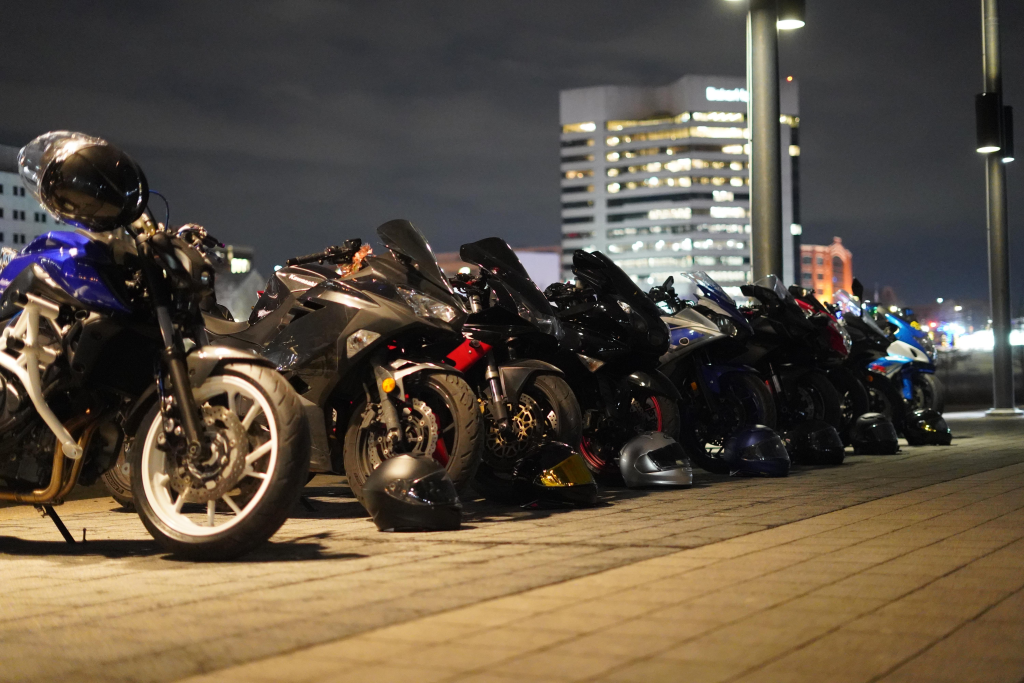
Where they shine locally: Marcos Highway, Antipolo switchbacks, mountain runs in Rizal and Batangas, or dedicated track days at Batangas Racing Circuit and Clark.
Where they struggle: Everywhere else. The riding position punishes you in stop-and-go traffic. The low clearance suffers on rough roads. The stiff suspension transmits every pothole directly to your spine. And there’s genuinely nowhere to put anything not a bag, not a passenger’s comfort, nothing.
Philippine price range:
- Entry-level (Kawasaki Ninja 400, Yamaha R3): ₱200,000 – ₱320,000
- Mid-range (Yamaha R7, Honda CBR500R): ₱350,000 – ₱550,000
- Flagship (Kawasaki ZX-10R, BMW S1000RR): ₱1,000,000 – ₱2,000,000+
Best for: Riders who prioritize weekend mountain runs and cornering feel, and who keep most rides under two hours on good asphalt.
Before you hit Marcos Highway or Antipolo switchbacks, make sure your lid is up to it. See our Best Ventilated Motorcycle Helmets 2026 tested specifically for Philippine tropical heat.
The Laid-Back Riders: Cruisers
Cruisers are the opposite philosophy from sport bikes. Low seat, feet pushed forward, hands pulled back — the whole geometry is built around making you feel relaxed rather than engaged. You’re not fighting the bike; you’re sitting with it.
The low seat height — many cruisers sit under 700mm — makes them genuinely accessible to shorter Filipino riders who struggle with confidence at traffic stops. The engines on most cruisers prioritize low-end grunt over screaming top-end power, which makes them feel easy and satisfying to ride at normal speeds.
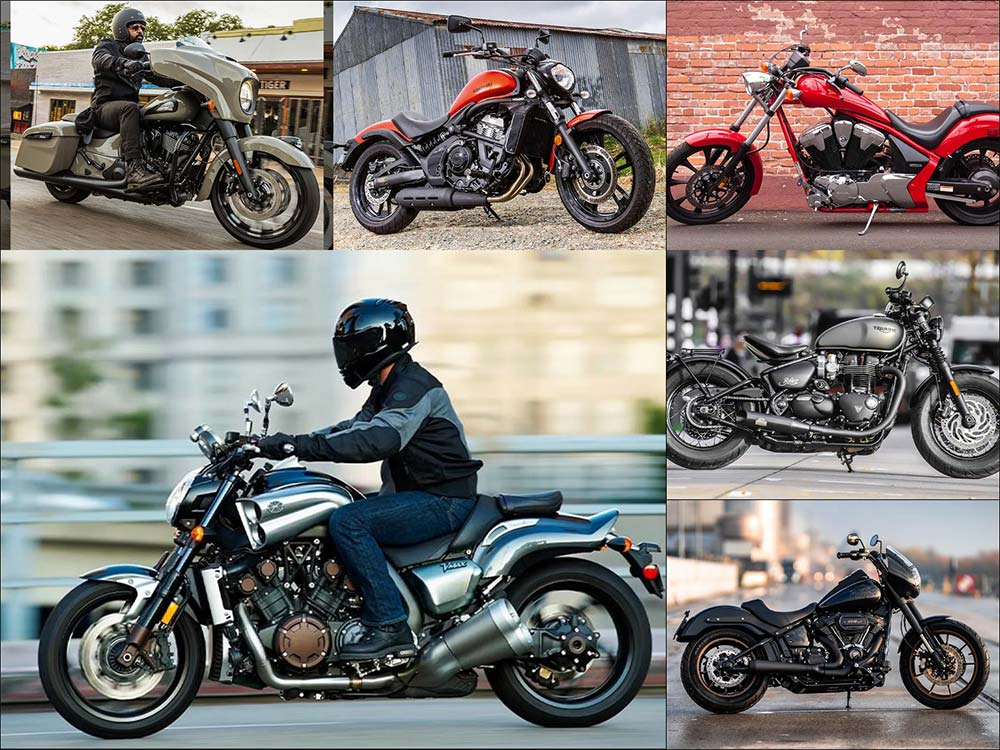
Where they shine locally: Coastal roads in Bataan and Zambales, Tagaytay ridge cruises, Sunday barkada rides, slow rolls through heritage towns in Pampanga or Vigan. Anywhere that’s about the vibe, not the lap time.
Where they struggle: Rough roads and potholes hit hard on the rigid-ish chassis. Cornering clearance is limited — push past a certain lean angle and the pegs scrape. Sustained highway speeds above 100 km/h become tiring without a windshield. They’re also not ideal for riders who need to haul gear regularly.
Philippine price range:
- Entry-level (Honda Rebel 500, Royal Enfield Meteor 350): ₱180,000 – ₱310,000
- Mid-range (Kawasaki Vulcan S, Triumph Bonneville): ₱350,000 – ₱650,000
- Premium (Harley-Davidson Sportster S and above): ₱700,000 – ₱2,000,000+
Best for: Riders who value style, a relaxed pace, and the social culture of motorcycling. Great for shorter riders who want easy footing at stops.
The Long-Game Riders: Touring Bikes
Touring bikes are built for comfort and endurance, not pure excitement. They are designed to make a 600-kilometer day feel manageable, with full fairings that reduce wind fatigue and seats that stay comfortable for hours. Most also include integrated luggage and neutral ergonomics so riders can travel longer without strain.
If you want to ride anywhere including rough roads, an adventure-touring bike offers both comfort and versatility. If you enjoy long distances with sporty handling, sport-tourers provide a balanced and engaging ride. For riders focused on maximum comfort and two-up travel, full-dress tourers prioritize stability, space, and a relaxed highway experience.
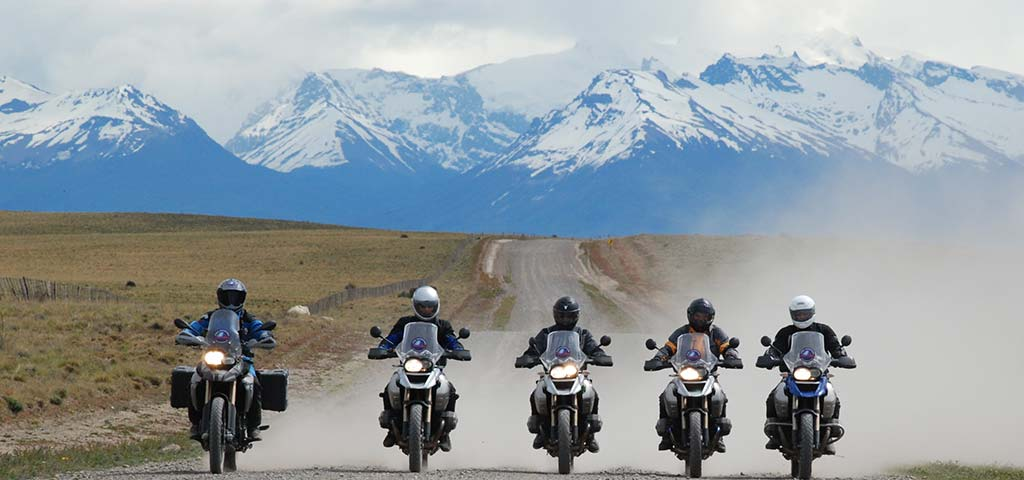
Where they shine locally: Cross-Luzon runs, Mindanao explorations via RORO, two-up travel with a partner on the national highway network, multi-day rally rides.
Where they struggle: These are big, heavy bikes. Anything under 350kg is unusual for a full tourer. City riding is manageable but not enjoyable. Parking in tight spaces requires patience and planning.
Philippine price range:
- Sport-touring (Yamaha Tracer 7 GT, Kawasaki Versys 1000): ₱500,000 – ₱900,000
- Full-dress touring (Honda Gold Wing): ₱1,200,000 – ₱2,000,000+
Best for: Experienced riders who measure trips in days, want a passenger to be comfortable, and know that distance endurance matters more than anything else.
The Do-Everything Bikes: Naked / Standard
If you can only own one bike, this is probably it. Naked bikes strip out the fairings and dial the ergonomics to neutral not aggressive like a sport bike, not stretched-out like a cruiser, not towering like an ADV. You sit upright, your feet are underneath you, and your hands are in a natural position.
That neutral setup means the bike doesn’t specialize and that’s the point. It handles city traffic without punishing your wrists. It takes weekend backroads without complaining. It accepts a passenger for short rides. It doesn’t need a separate luggage system for a day trip.
Where they shine locally: They’re the honest answer for most Filipino riders. Commuting in Makati or BGC, weekend rides to Tagaytay, the occasional provincial run — naked bikes handle all of it without major compromise.
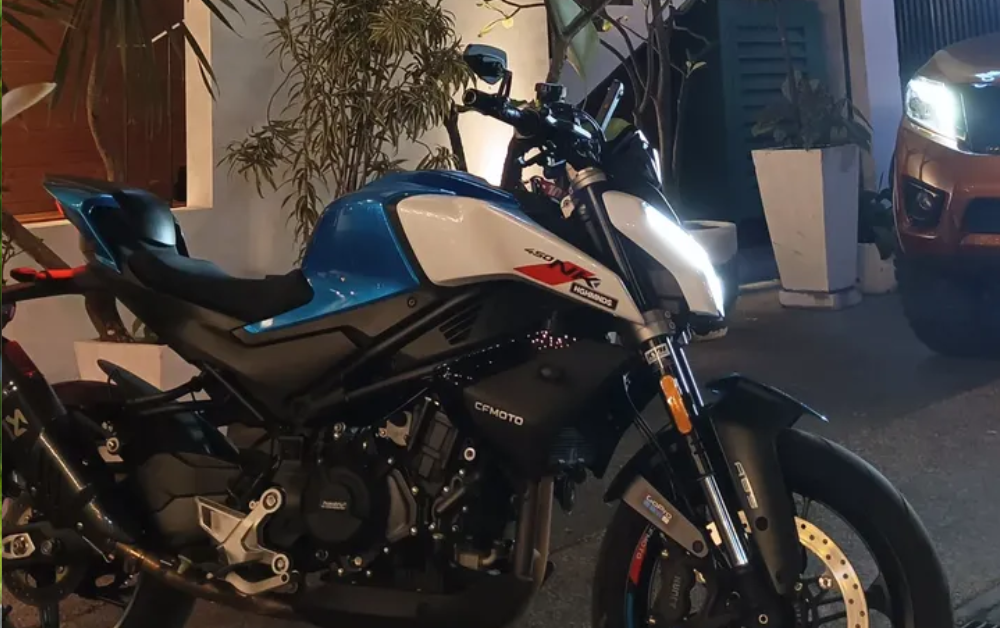
Where they struggle: At highway speeds, you’re exposed. Wind fatigue builds faster without a fairing, and Philippine rain will hit you directly. They won’t match a dedicated sport bike in the corners or a proper tourer on a 10-hour day.
Philippine price range:
- Entry-level (Honda CB150R, Yamaha MT-15): ₱100,000 – ₱160,000
- Mid-range (Kawasaki Z650, Yamaha MT-07, CFMoto 700CL-X): ₱250,000 – ₱450,000
- Premium (Triumph Street Triple, Ducati Monster): ₱700,000 – ₱1,200,000+
Best for: Riders who want one honest, versatile machine for mixed riding — especially strong as a first proper motorcycle.
Looking at the mid-range naked segment? Read our CFMoto 450 NK review a budget bike with genuine soul that punches well above its price point.
For the Ones Who Want Soul: Cafe Racers and Classic Bikes
Some riders don’t care about being fastest or most practical. They want a motorcycle that has character — one that feels like it was made for a person, not a spec sheet. Classic and cafe-style bikes deliver that. The design is deliberate. The engine sounds honest. The riding experience is direct and unfiltered.
Modern electronics have made motorcycles incredibly capable, but they’ve also made them feel a bit anonymous. A classic bike puts everything back in your hands. There’s no traction control deciding when to intervene. No ride modes softening the experience. It’s just you and the machine figuring it out together — which, ironically, tends to make you a better rider.
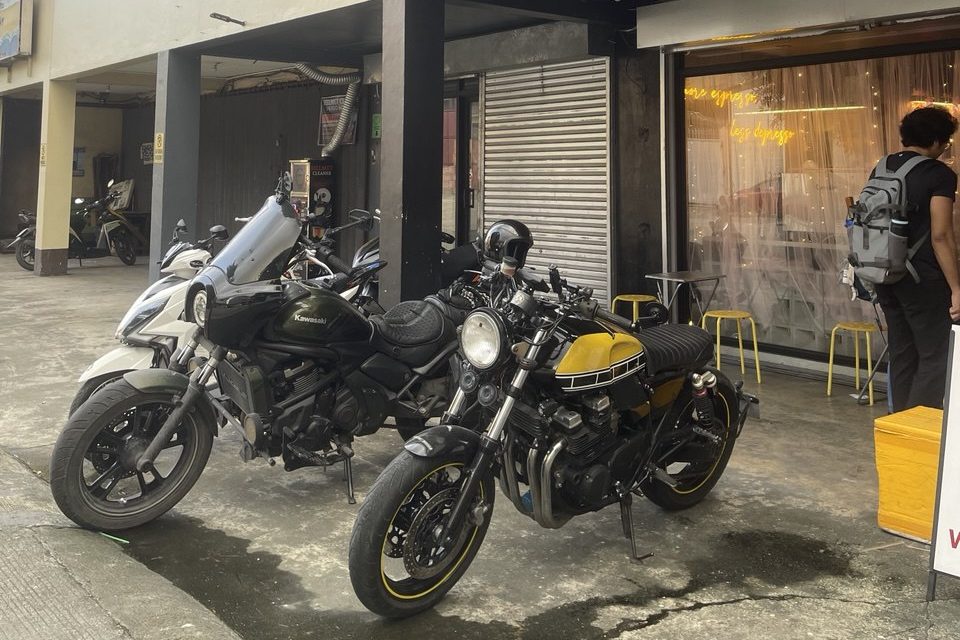
Where they shine locally: Daily riding with personality, custom build projects, riding through heritage towns or scenic routes where the journey is the whole point. These bikes also tend to attract a passionate community parts, customization culture, and riding groups are alive and well in the Philippines.
Where they struggle: Long-distance comfort varies widely depending on the build. Some cafe racer setups prioritize looks over ergonomics, which you’ll feel on anything over 3 hours. Parts for certain vintage or niche models can be harder to source here.
Philippine price range:
- Accessible (Royal Enfield Classic 350, Meteor 350): ₱200,000 – ₱280,000
- Mid-range (Honda CB650R, Kawasaki Z900RS): ₱380,000 – ₱600,000
- Premium (Triumph Bonneville T120, Ducati Scrambler): ₱550,000 – ₱900,000+
Best for: Riders who care about the experience and identity of their bike as much as its function.
Built for Dirt: Off-Road / Trail Bikes
Off-road bikes are one of the most specific tools in motorcycling. They exist to go where nothing else can — mountain trails, river crossings, loose gravel climbs, technical single-track. The tall, lightweight build and long-travel suspension are purpose-designed for rough terrain.
They also make you a genuinely better rider, fast. Riding on loose, unpredictable surfaces forces you to develop balance and throttle feel that stays with you on any bike.
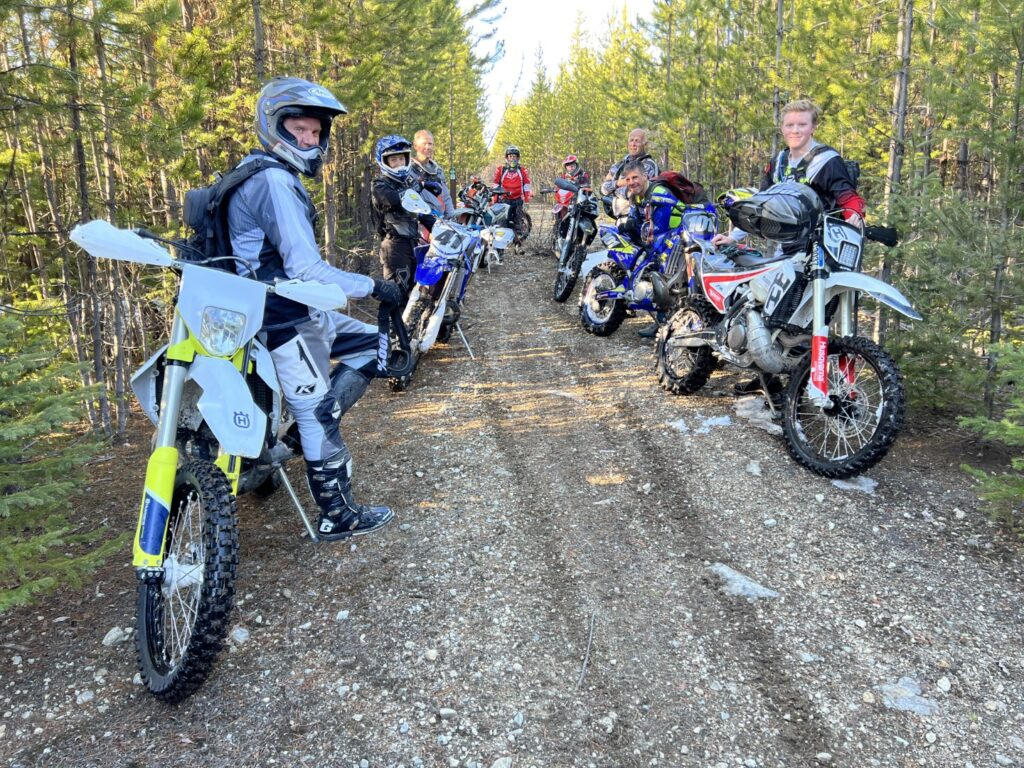
Where they shine locally: Norzagaray trail systems, Mariveles off-road areas, Davao highlands, Benguet mountain access roads. The Philippines has incredible terrain for off-road riding that most riders never explore.
Where they struggle: They’re not built for pavement, and most aren’t street-legal without modifications. If you’re thinking daily commute, this isn’t it.
Philippine price range:
- Entry trail bikes (Honda CRF150, Yamaha TT-R150): ₱80,000 – ₱140,000
- Mid-range enduro (Honda CRF300L, Kawasaki KLX300): ₱180,000 – ₱350,000
- Performance (KTM EXC series, Husqvarna): ₱450,000 – ₱700,000+
Best for: Riders who specifically want to explore off-road terrain and are willing to commit to that niche.
The Practical Choice: Scooters
There’s a reason scooters dominate Philippine roads — they make sense for how most people actually ride. Automatic transmission removes the clutch learning curve entirely. Built-in underseat storage handles daily errands. The low step-through frame makes mounting and dismounting easy in traffic.
And don’t underestimate them. The modern generation of maxi-scooters — Honda ADV 160, Yamaha NMAX, Kymco AK 550 — has genuinely impressive power, comfort, and range. They’re no longer just city tools; riders are taking them on full provincial trips.
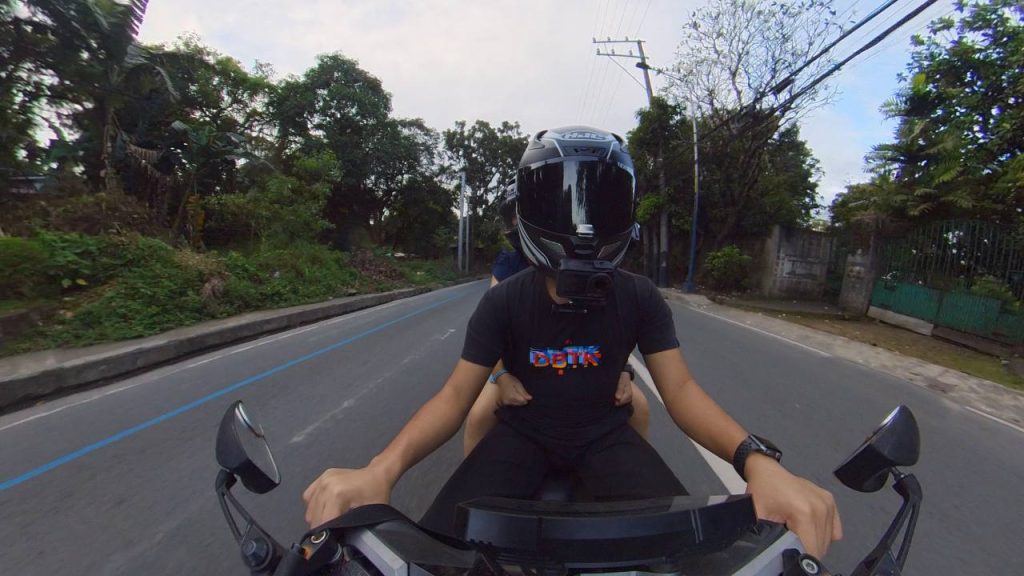
Where they shine locally: Stop-and-go Metro Manila traffic, Cebu city riding, quick errands, short commutes where practicality beats everything else. The ADV 160 in particular has built a strong following for light adventure use.
Where they struggle: High-speed expressway riding gets tiring without proper wind protection. Heavier traffic filtering in tight spots can be awkward on larger maxi-scooters. Performance ceiling is limited compared to a proper motorcycle.
Philippine price range:
- City scooters (Honda Beat, Yamaha Mio Aerox): ₱60,000 – ₱100,000
- Maxi-scooters (Honda ADV 160, Yamaha NMAX): ₱110,000 – ₱200,000
- Premium maxi (Kymco AK 550, Yamaha TMAX): ₱380,000 – ₱700,000+
Best for: Commuters, new riders, practical daily users, and anyone who wants low-maintenance transport that just works.
For riders who go straight from the saddle to the street, the We Ride The Dust Combi-Work Hoodie bridges protection and Filipino streetwear without looking like full moto gear.
How to Actually Decide
Stop asking “which bike is better” and start asking “which bike fits your actual life.” A simple way to figure this out is to think about your last 10 rides and where they actually took you. Consider how long those rides were, whether you rode alone or with a passenger, and the real road conditions you faced.
Be honest about seat height and physical fit because comfort at stops matters more than specs on paper. If you cannot confidently reach the ground, a tall ADV or sport bike can create constant stress at every stoplight. Over time, that stress leads to bad habits and less enjoyment, no matter how impressive the bike looks.
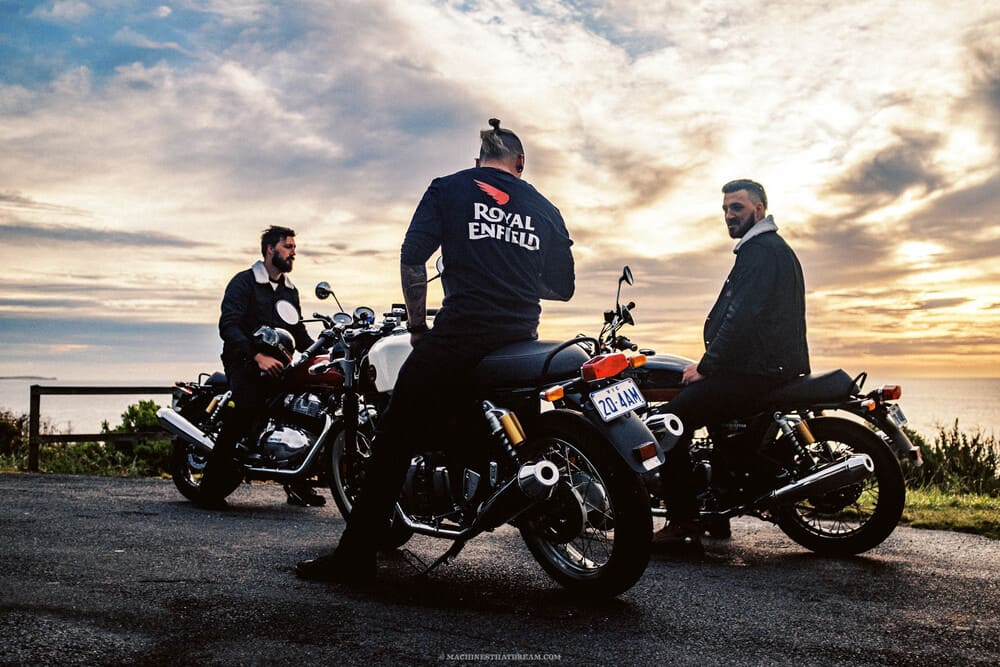
Always factor in the true cost of ownership, not just the purchase price. Parts availability, insurance, registration, and fuel economy all affect how much a bike really costs each month in the Philippines. Whenever possible, ride before you buy because real-world feel will always tell you more than any review or spec sheet.
At a Glance
| Type | Ideal For | PH Price Range | Local Examples |
|---|---|---|---|
| ADV | Mixed terrain, provincial touring | ₱150,000 – ₱1,500,000+ | CRF300L, CB500X, V-Strom |
| Sport | Mountain twisties, track | ₱200,000 – ₱2,000,000+ | Ninja 400, R7, CBR500R |
| Cruiser | Coastal and leisure rides | ₱180,000 – ₱2,000,000+ | Rebel 500, Meteor 350, Bonneville |
| Touring | Long-haul, two-up travel | ₱500,000 – ₱2,000,000+ | Gold Wing, Tracer 9 GT |
| Naked / Standard | Daily all-around riding | ₱100,000 – ₱1,200,000+ | MT-07, Z650, CB650R |
| Cafe / Classic | Style, soul, customization | ₱200,000 – ₱900,000+ | Classic 350, Z900RS, Bonneville T120 |
| Off-Road | Trails and rough terrain | ₱80,000 – ₱700,000+ | CRF150, KLX300, KTM EXC |
| Scooter | City commuting, errands | ₱60,000 – ₱700,000+ | ADV 160, NMAX, Beat |
Bottom Line
The best motorcycle is the one that fits your riding life today — not the one that looks most impressive in your garage. Buy based on where you actually go, how long you actually ride, and what you’re actually comfortable managing on the road.
Once you know your type, choosing the specific model gets a lot easier. From there, focus on the gear that protects you, the tools that help you navigate, and the community that makes riding more enjoyable.
The Philippines is one of the best countries in the world to ride a motorcycle. You just need the right one under you.
Ride your own ride.