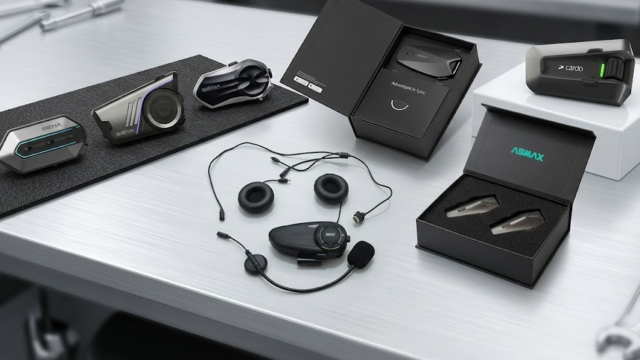
Cardo finally shipped Mesh Boost. Thirty-one-rider groups, Public Mesh, Remote Grouping on paper it reads like Cardo closing the gap with Sena’s Mesh lineup overnight. Then you check the compatibility list.
Then you check it again, hoping you misread it. I have been riding with both ecosystems for a while now, Cardo on one helmet, Sena on another, and the moment Mesh Boost rolled out on August 17, 2026, I did what every rider with an older PACKTALK does. I opened the Cardo Connect app and looked for the update.
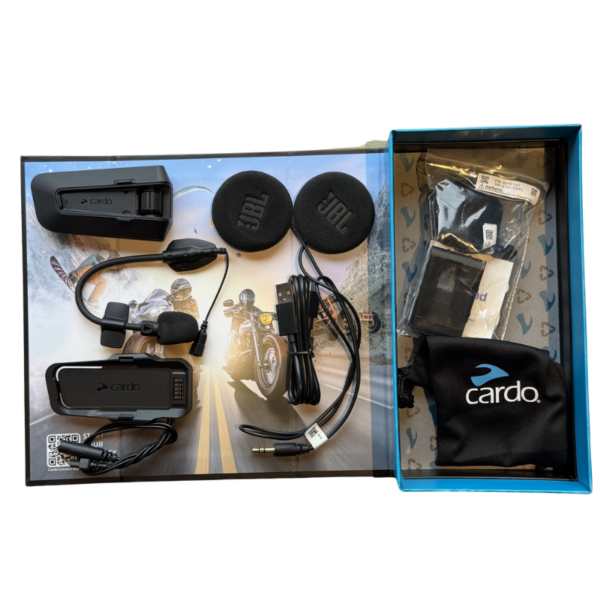
Cardo Packtalk Pro
The King of motorcycle intercoms and Bluetooth headsets, the Pro comes with every top of the line feature Cardo offers and their stellar 45mm JBL speakers, the best helmet speakers money can buy.
Sena Intercom
Sena intercoms are premium motorcycle communication systems designed to keep riders connected, informed, and safe on the road. Built with advanced Bluetooth and Mesh Intercom technology, Sena devices allow seamless rider-to-rider and rider-to-passenger communication even at long distances and high speeds.
Here is what I found, and why it left me more frustrated than impressed. The update itself is good. What Cardo attached to it is the part worth slowing down on before you get excited.
What Mesh Boost Actually Adds
Strip away the marketing and Mesh Boost is a genuinely useful update. It doubles Cardo’s Dynamic Mesh Communication group size from 15 to 31 riders and passengers, which finally puts it in the same range Sena riders have had access to for a while. It also introduces two features that change how a group actually forms on the road.
Public Mesh lets you talk to nearby Cardo users without building a private group first. You just switch it on, and anyone in range running Mesh Boost joins the conversation automatically. Remote Grouping lets you set up the riding group in advance, instead of standing in a parking lot with everyone’s helmet on, waiting for units to sync one by one.
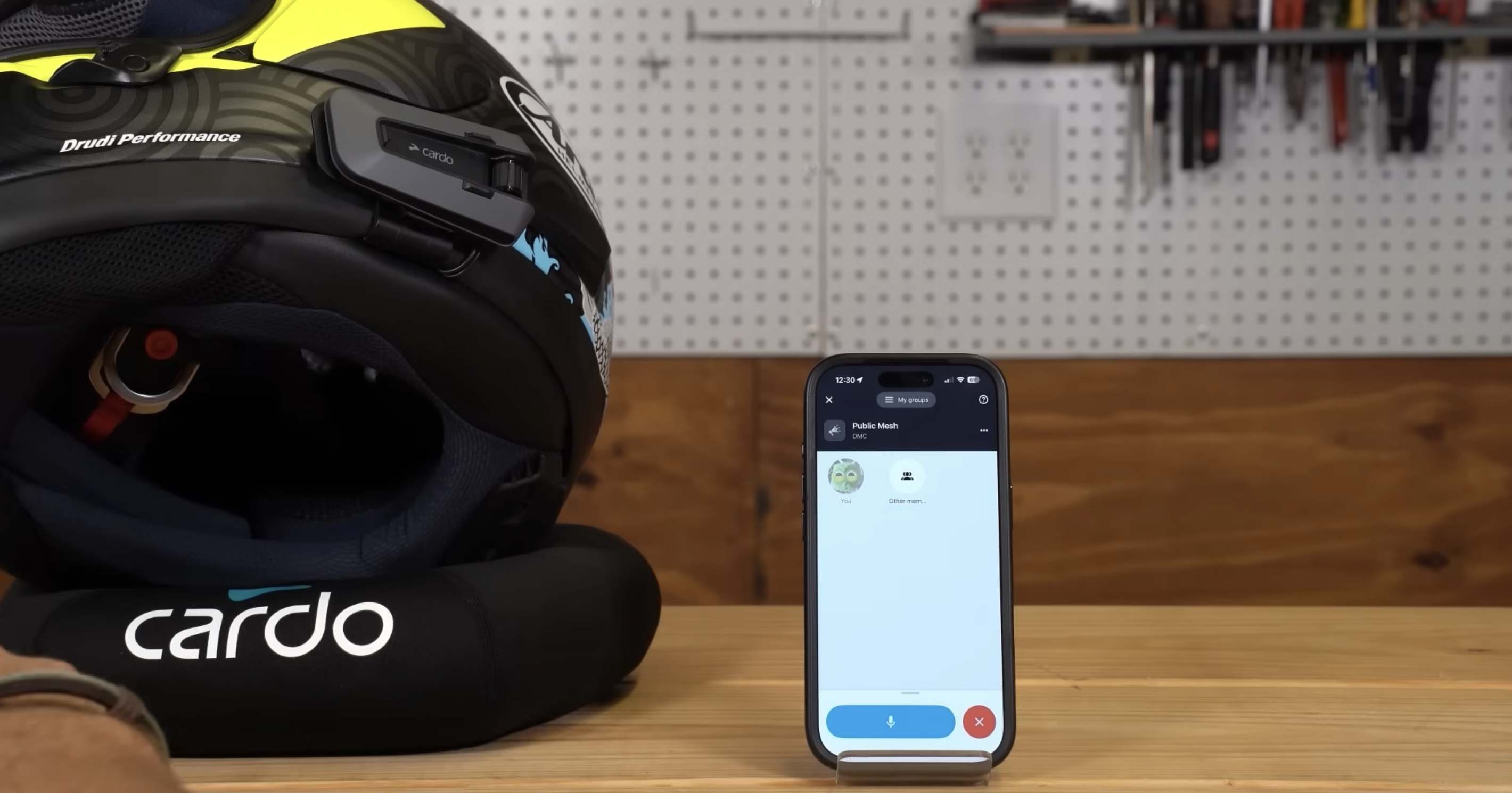
If you have never used a mesh system that does this, it sounds small on a spec sheet. If you have ever organized a fifteen-plus bike convoy before a Sunday ride, standing in a gas station lot while half the group is still pairing, you know exactly how much time and patience this saves. The update is free, delivered over the air through the Cardo Connect app, and it does not require buying new hardware for eligible units, which is the one part of this rollout Cardo genuinely got right.
The Problem: “Eligible” Is Doing a Lot of Work
Here is where it stops being a straightforward win. Mesh Boost only reaches second-generation DMC devices the PACKTALK PRO, EDGE, and NEO, along with their special editions, the 20 Years RSD edition, PACKTALK Custom, PACKTALK-S, HJC PACKTALK, and off-road variants like the PACKTALK EDGE ORV and Polaris Delta V. Everything older is left behind.
If you are riding an older PACKTALK generation, your unit can still talk to someone running Mesh Boost. It just will not gain any of the new Mesh Boost features itself. You stay on the old fifteen-rider ceiling, no Public Mesh, no Remote Grouping, while the rider next to you on a newer unit gets the full experience.
That is the exact frustration a lot of riders have been sitting with since Cardo first announced this update back in November 2024, with an “early 2025” release window that quietly slipped by more than a year before actually shipping. The scope ended up broader than the three models originally named at announcement, which is a genuine positive for anyone on those specific units. The underlying issue has not changed though: your Mesh feature set is tied to how new your hardware generation is, not to whether Cardo’s Mesh technology could physically support it on your existing unit.
Schuberth Riders Get Left Waiting Twice
If you are on a Schuberth SC-EDGE, the frustration compounds. Schuberth’s own statement on the delay is blunt about the reason. Here is exactly what they told riders:
“SC Edge requires a dedicated Mesh Boost release due to differences in its software and feature set. It’s planned, and we’ll share more once the timing is confirmed.”
No firm date, just “planned.” Cardo’s own communication points to Q4 2026 for both the SC-EDGE and the Harley-Davidson branded units, but that is a target, not a commitment. This is already the second time the SC-EDGE has been the last one to the party on a Cardo feature rollout.
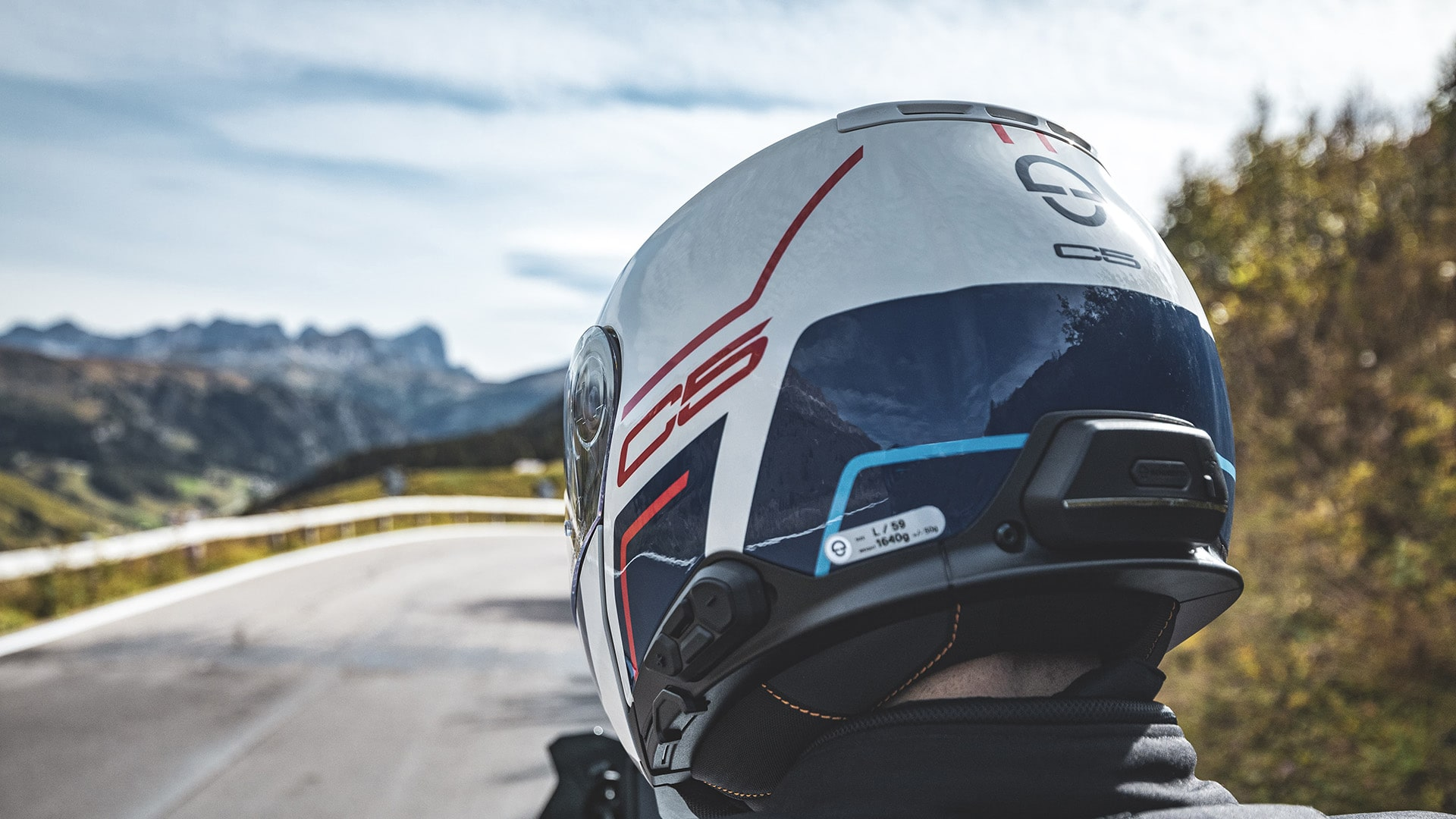
If you bought an SC-EDGE specifically because it runs Cardo’s platform inside a Schuberth shell, you are currently paying flagship-adjacent pricing for a unit that will not get the headline software feature of 2026 until, at the earliest, the tail end of the year. Two other features Cardo announced alongside Mesh Boost, Private Chat+ and Cellular Intercom, are not part of this release at all and remain “under development,” with no clearer timeline than the SC-EDGE itself has been given. Cardo says it chose to delay those features rather than ship something before it met internal reliability targets, which is a defensible engineering decision on its own, but it is a much harder one to defend when it is layered on top of a hardware-gated rollout and a fragmented device list riders already have to decode.
Where Sena Has Been Sitting This Whole Time
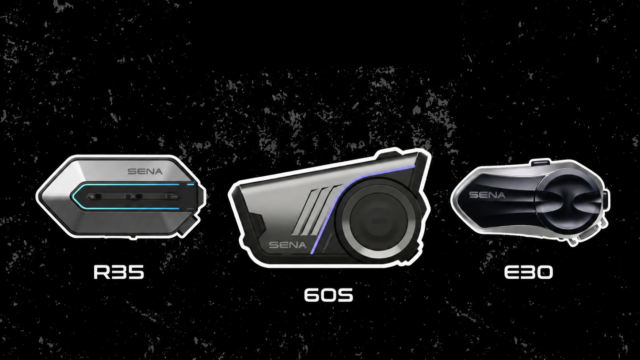
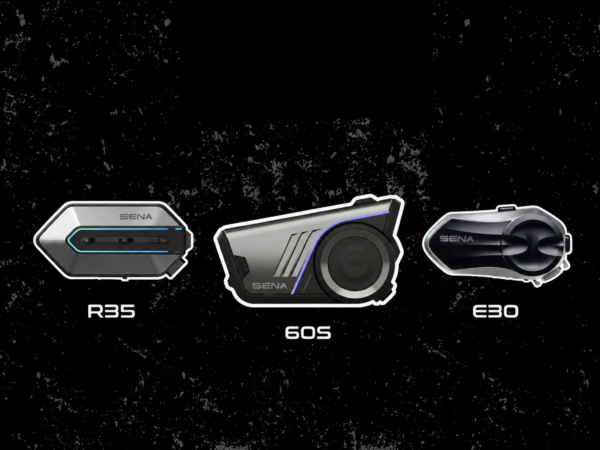
This is the part that makes the Cardo rollout sting more than it otherwise would. Sena’s Mesh Intercom has not needed a “which generation do you own” conversation for a while now. Starting from the Sena E30, Sena’s most affordable Mesh unit, every current device in the lineup runs on the same shared Mesh network by default.
The E30 supports Open Mesh with no cap on riders across multiple public channels, plus a Group Mesh mode for up to 24 riders, IP67 waterproofing, and a fifteen-hour Mesh battery, all at entry-level pricing. Move up to the R35, the 60S, or the Schuberth-and-Shoei-integrated SC2 and SRL3, and you get more range, louder speakers, and Wave Intercom for cellular-range communication. But the core Mesh network itself is the same one the E30 is already on.
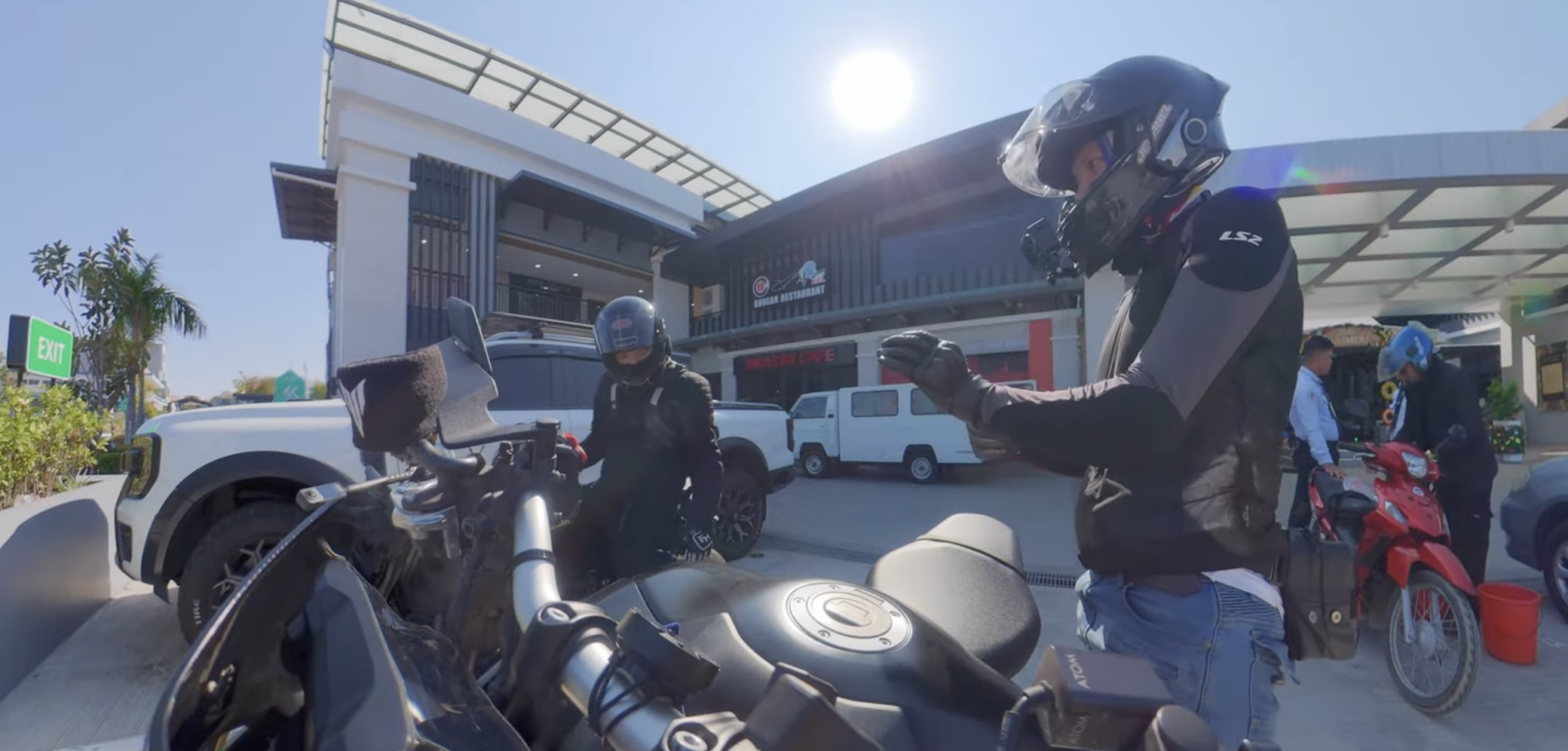
Practically, that means a mixed group running an E30, an SC2, and a 60S connects without anyone needing to check a compatibility chart first, dig through a model list, or wait on a firmware release tied to which unit they happened to buy. Sena’s newer Mesh Intercom 3.0 rollout keeps Open Mesh effectively unlimited while staying backward compatible with Mesh 2.0 devices already in riders’ hands, so nobody who bought in earlier gets stranded on an old network. Sena treats Mesh capability as something the network itself provides, with the entry-level unit riding on exactly the same rails as the flagship, rather than something unlocked generation by generation.
Side-by-Side: What Each Ecosystem Actually Gives You
Cardo Mesh Boost
- Group size: up to 31 riders, second-generation DMC devices only
- New in this update: Public Mesh, Remote Grouping, refreshed Cardo Connect UI
- Entry point for full features: PACKTALK PRO, EDGE, or NEO and newer
- Older PACKTALK generations: can connect, cannot use new features
- Schuberth SC-EDGE: separate release, planned Q4 2026, no confirmed date
- Still pending: Private Chat+, Cellular Intercom
Sena Mesh (E30 and up)
- Group size: unlimited on Open Mesh, up to 24 riders on Group Mesh
- Entry point for full features: Sena E30, Sena’s most budget-friendly unit
- Cross-model compatibility: E30, R35, 60S, SC2, and SRL3 share one network by default
- Wave Intercom, cellular-range, unlimited group, available from the R35 upward
What This Means If You Are Choosing a Side
If you already own a recent PACKTALK PRO, EDGE, or NEO, Mesh Boost is a genuinely good, free upgrade, and there is no real downside to installing it right away. There is no reason not to update it before your next group ride, especially if that ride runs bigger than the old fifteen-rider ceiling. The thirty-one-rider capacity and Public Mesh alone make it worth the download for anyone on eligible hardware.
If you are on an older Cardo unit, or you were eyeing the SC-EDGE specifically for its Schuberth build quality, the honest read is that you are waiting on a roadmap Cardo has not fully committed to a date for. That is not a reason to panic-sell your gear, but it is a reason to stop expecting a specific timeline until Cardo actually announces one publicly. Nobody enjoys paying flagship prices for a feature that is permanently “coming soon.”
Cardo Packtalk Pro
The King of motorcycle intercoms and Bluetooth headsets, the Pro comes with every top of the line feature Cardo offers and their stellar 45mm JBL speakers, the best helmet speakers money can buy.
Sena Intercom
Sena intercoms are premium motorcycle communication systems designed to keep riders connected, informed, and safe on the road. Built with advanced Bluetooth and Mesh Intercom technology, Sena devices allow seamless rider-to-rider and rider-to-passenger communication even at long distances and high speeds.
If you are starting from zero and cross-model flexibility matters to you, the way most barkada rides in the Philippines mix budget and flagship helmets on the same road trip, Sena’s approach of putting the full Mesh network within reach of its cheapest unit is the more rider-friendly structure right now. Cardo has closed the numbers gap with this update, and that is worth acknowledging. It has not closed the trust gap it opened by making that gap conditional on hardware you may or may not already own.