Motorcycle intercoms have evolved beyond simply connecting riders during group rides. Today, they offer music playback, GPS navigation, phone calls, and increasingly sophisticated voice-control features. Among these developments, the ASMAX S1’s Hi Max voice recognition caught my attention because it changes how I interact with my motorcycle intercom while riding.
As someone who spends time working on software development projects, I regularly use my smartphone for more than just communication. I rely on applications such as Google Maps, Spotify, and ChatGPT, particularly when thinking through technical problems, making decisions, and exploring ways to improve and scale systems. Having a motorcycle intercom that supports hands-free interaction makes these digital tools more accessible without constantly reaching for my phone.
ASMAX S1
ASMAX S1 mesh intercom with Bluetooth 5.4, noise canceling, IPX7 waterproof, and clear group communication for up to 8 riders.

After exploring the ASMAX S1 and testing features across the ASMAX ecosystem, including ASMAX Mode, I became interested in how voice control can fit into everyday riding. It’s not necessarily about having more technology inside my helmet, but about making existing technology easier to access. And that’s what makes the ASMAX S1 worth discussing.
The Problem With Traditional Motorcycle Intercom Controls
If you’ve used traditional Bluetooth motorcycle intercoms, you’re probably familiar with the process of activating your smartphone’s voice assistant. Usually, you need to locate a physical button, press and hold it, and wait for Siri or Google Assistant to respond. While this works, it can become inconvenient when you’re wearing gloves and trying to keep your attention on the road.
I’ve experienced this with other intercom systems, where accessing certain smartphone functions required physically interacting with the device. It might seem like a minor inconvenience, but repeatedly reaching for a small button isn’t something I particularly enjoy while riding. When you’re navigating unfamiliar roads or dealing with traffic, fewer unnecessary movements are always welcome.
This is where voice-activated motorcycle intercoms offer a different experience. Instead of relying entirely on physical buttons, riders can activate supported functions through spoken commands. The ASMAX S1 approaches this through its built-in Hi Max voice recognition system.
Introducing ASMAX Hi Max Voice Control
One of the interesting features of the ASMAX S1 is its built-in voice recognition, activated through the wake phrase “Hi Max.” Rather than repeatedly pressing buttons on the intercom, I can use voice commands to access supported functions. It makes interacting with the device feel more natural, especially when I’m already wearing my helmet and riding gloves.
Another advantage is its offline voice-control capability for supported native commands. This means certain functions don’t require an active internet connection to operate, which can be useful when traveling through provincial roads or areas where mobile data coverage is unreliable. For riders who regularly explore different parts of the Philippines, having access to basic voice commands without depending on mobile connectivity is a practical consideration.
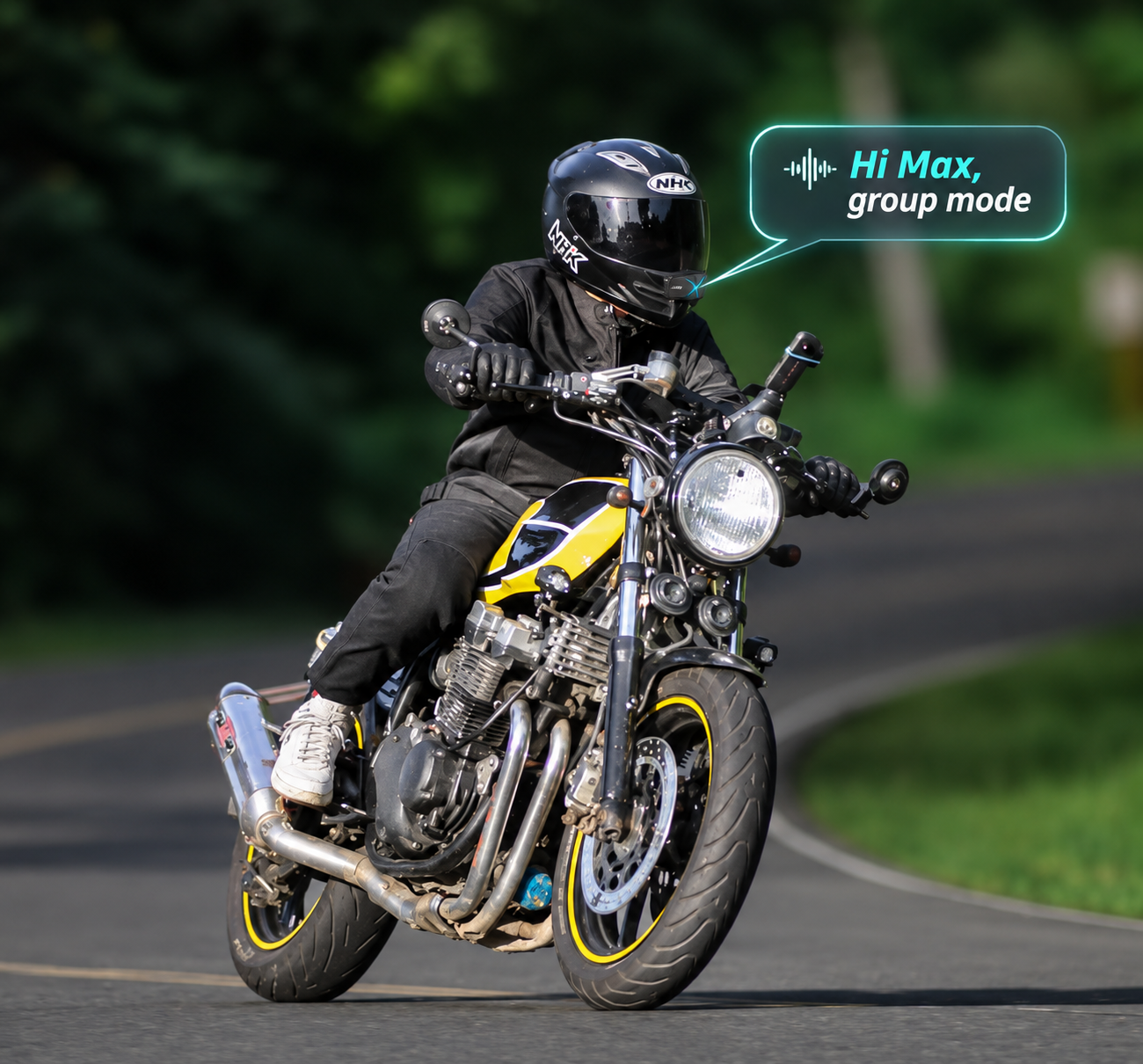
It’s important to distinguish between ASMAX’s built-in voice commands and smartphone voice assistants. The former handles supported intercom functions, while accessing Siri or Google Assistant involves your connected smartphone and its available capabilities. This distinction becomes particularly interesting when you start exploring what your smartphone can do beyond the intercom’s predefined commands.
More Than Just Changing Music
For me, the value of voice control goes beyond simply changing songs or adjusting music playback. I regularly use my smartphone for navigation, communication, and accessing different applications throughout the day. Being able to activate supported smartphone functions through voice interaction makes the overall experience more convenient.
For example, when connected to a compatible smartphone, I can use its voice assistant to access supported functions such as opening Google Maps or Spotify. Instead of manually navigating through applications, I can use spoken commands to request certain actions. The actual functionality depends on the smartphone, operating system, connection settings, and voice assistant being used.

This is particularly useful when going on longer rides or exploring unfamiliar destinations. I don’t need to think as much about locating buttons whenever I want to access a supported function. Of course, I still prioritize keeping my attention on the road, but having another way to interact with my devices makes the riding experience more seamless.
Using ChatGPT During Motorcycle Rides
Something that has become part of my daily routine recently is using ChatGPT. Aside from writing and researching, I use it to help me think through software development decisions, improve existing workflows, and explore ways to scale systems more efficiently. With personal projects and professional responsibilities competing for my time, having an AI assistant available has become a useful part of my problem-solving process.
This is where voice interaction becomes particularly interesting to me. Instead of always typing questions, ChatGPT Voice Mode allows me to have conversations using my smartphone. Depending on the phone’s background operation, application permissions, and connection settings, I can potentially continue an existing voice conversation while using other applications.
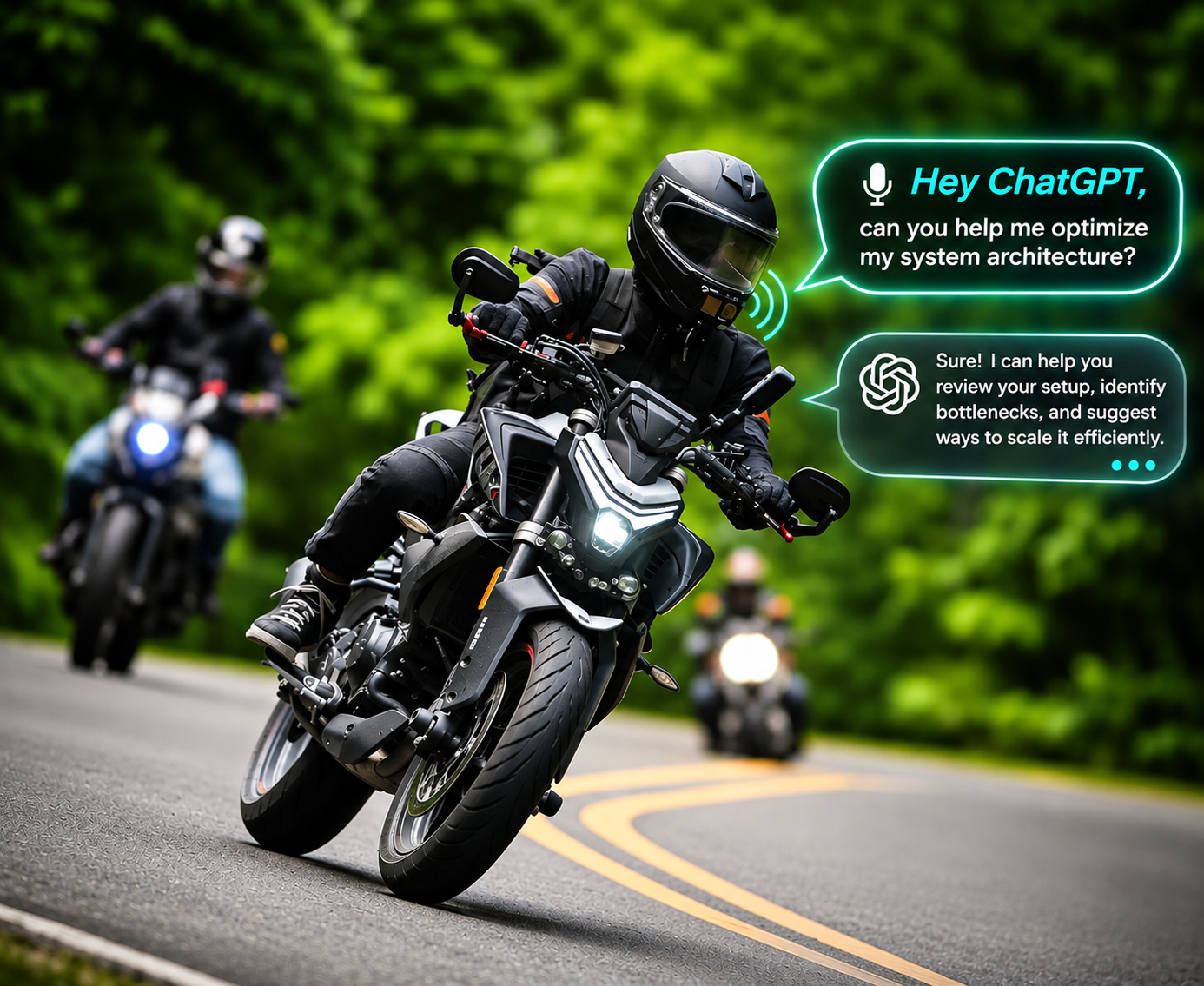
For someone who spends a lot of time thinking about software architecture and system improvements, the idea of having access to an AI assistant through a motorcycle intercom is interesting. I can explore an idea or discuss a general question without needing to type everything manually. However, I don’t recommend engaging in extended AI conversations while riding, since hands-free interaction can still create cognitive distraction; more involved discussions are better saved for when the motorcycle is parked.
Our Experience With ASMAX Mode
Beyond voice control, another feature I’ve explored within the ASMAX ecosystem is ASMAX Mode. During my testing with ASMAX intercoms, I had the opportunity to experience how the system handles communication between riders. What made it interesting was its combination of mesh communication and cellular connectivity.
During one of our group communication tests, two riders moved farther away from the rest of the group and eventually went beyond the normal mesh communication range. Instead of manually stopping to reconnect everyone, the system transitioned to its cellular-based communication capability. This allowed us to continue communicating without having to interrupt the ride to manage the connection manually.
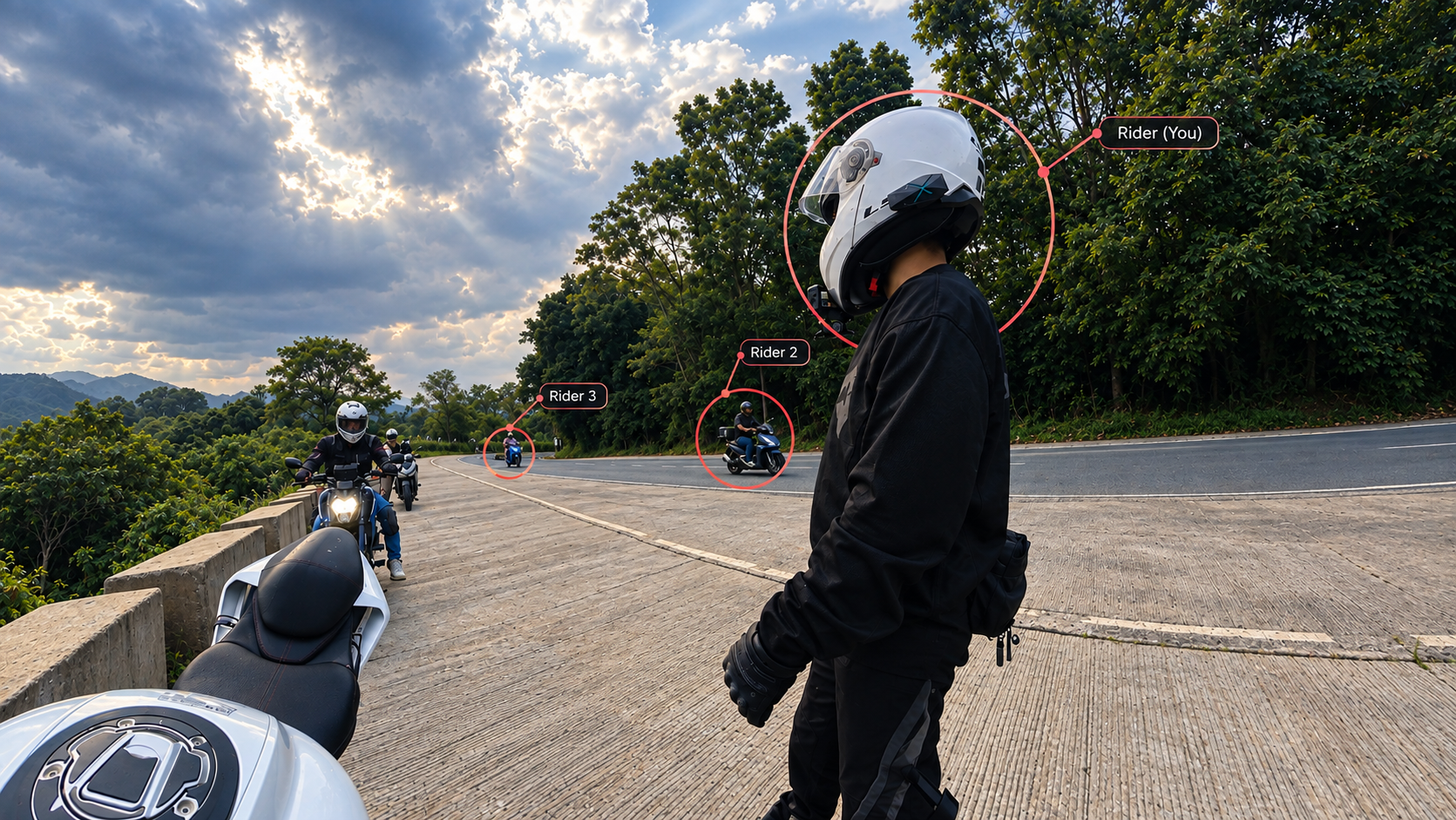
For me, this demonstrated how motorcycle communication systems are moving beyond traditional Bluetooth limitations. Of course, cellular-based communication depends on network coverage, compatible devices, and service availability. Nevertheless, ASMAX Mode shows how manufacturers are exploring different approaches to make communication more convenient for riders.
Using Voice Control for Navigation and Everyday Applications
Navigation is one of the smartphone functions I find particularly useful when riding. Whether I’m commuting, exploring unfamiliar roads, or planning a weekend ride, Google Maps is one of the applications I regularly depend on. Having a compatible voice assistant accessible through the intercom adds another level of convenience.
Depending on the smartphone and its settings, voice commands can help launch applications, request directions, make calls, and perform other supported actions. This reduces the need to physically interact with the smartphone or repeatedly operate the intercom’s buttons. It is particularly helpful when the motorcycle is moving, although any navigation changes or complicated interactions should ideally be handled before departure or while safely parked.
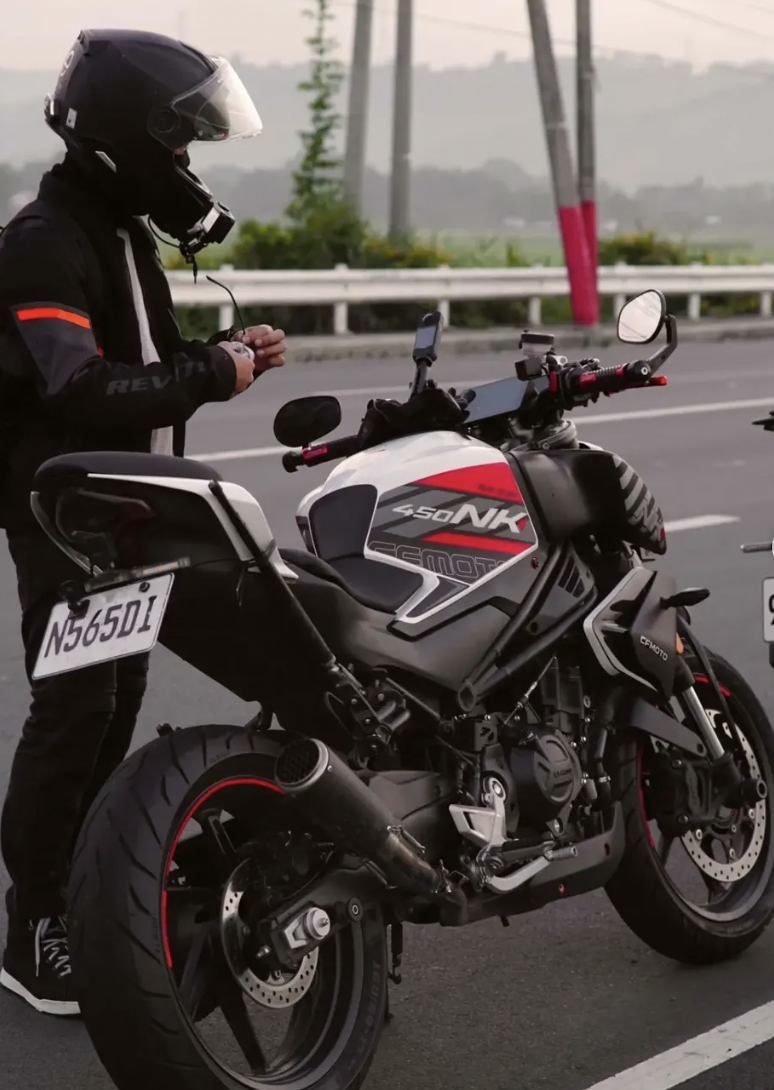
The important thing is understanding that voice control doesn’t automatically make every smartphone function available. Its capabilities depend on the connected phone, voice assistant, and supported commands. Still, having these options available makes the ASMAX S1 more interesting than an intercom that relies entirely on traditional button controls.
ASMAX S1 vs. F1S: Which One Should You Consider?
The ASMAX S1 isn’t the only model worth considering if you’re interested in this voice-control ecosystem. The ASMAX F1S also features voice-control functionality, offering riders a similar hands-free interaction approach. Both models demonstrate how ASMAX is incorporating voice recognition into its motorcycle communication products.
However, there are differences in their overall hardware, design, and user experience. The S1 offers a combination of voice recognition, music playback, and communication features, while the F1S brings its own hardware improvements and clip-in mounting design. From my experience testing the products, the F1S also provides a different audio experience that riders should consider when comparing the two.
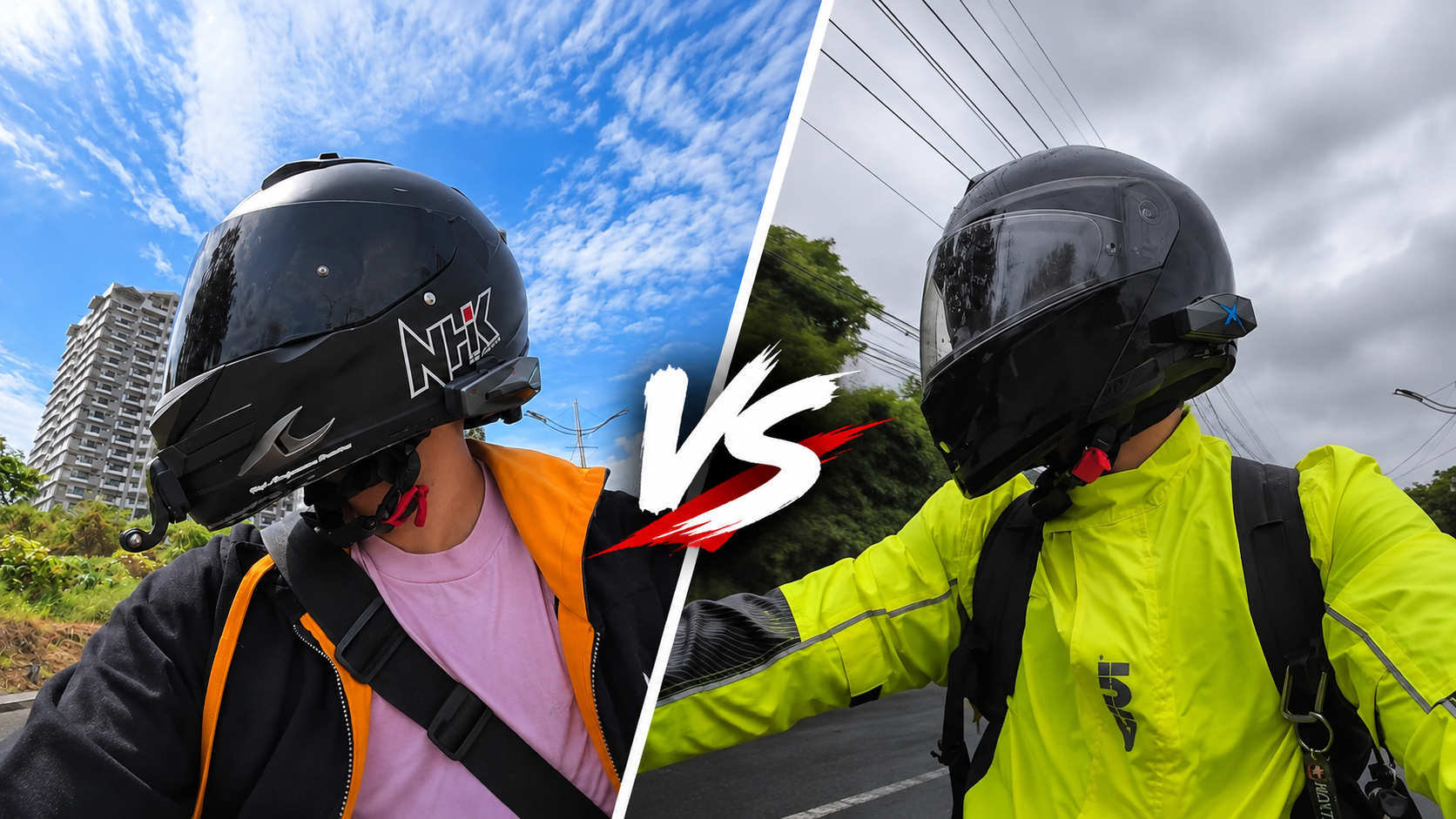
Rather than choosing between them based on voice control alone, I’d recommend considering your actual requirements. Speaker performance, mounting convenience, communication features, and budget should all be part of the decision. You can also read my individual reviews for a more detailed look at each model.
Read our previous reviews:
Is Voice Control Really Useful for Everyday Riders?
I think voice control is one of those features that becomes more valuable once you start using it regularly. For commuters, it provides a convenient way to access supported music and smartphone functions, while touring riders can benefit from easier access to navigation and communication. It isn’t necessarily a feature everyone needs, but it can make everyday interactions with an intercom more convenient.
There are still limitations worth considering. Background wind noise, microphone positioning, helmet fit, and pronunciation can affect voice recognition, while smartphone assistant functionality depends on the connected device. Riders should also remember that hands-free doesn’t automatically mean distraction-free, so complicated interactions should never compete with attention to traffic and road conditions.

What I appreciate about this approach is that it reduces the need to physically interact with the intercom. Instead of constantly locating buttons, I can use supported commands to access certain functions. It’s a small improvement, but one that makes the technology feel more integrated into the riding experience.
Final Thoughts: A Smarter Way to Interact With Your Motorcycle Intercom
The ASMAX S1 demonstrates how motorcycle intercoms are evolving beyond traditional Bluetooth communication. While music playback and rider-to-rider communication remain important, features such as Hi Max voice recognition introduce another way to interact with the device. For riders who regularly use smartphone applications, this can be a meaningful improvement.
What makes this particularly interesting to me is how it fits into my everyday routine. Between software development, personal projects, navigation, and motorcycle rides, I already rely heavily on digital tools. Having the ability to access supported functions through voice commands makes the experience more convenient without needing to constantly reach for physical controls.
ASMAX S1
ASMAX S1 mesh intercom with Bluetooth 5.4, noise canceling, IPX7 waterproof, and clear group communication for up to 8 riders.
I don’t think motorcycle technology should simply be about adding more features or making devices more complicated. It should be about improving the experience without demanding unnecessary attention from the rider. And if voice recognition continues to improve, saying a simple wake phrase instead of reaching for a button might eventually become something we expect from every motorcycle intercom. Because when you’re riding, convenience should never come at the expense of control.