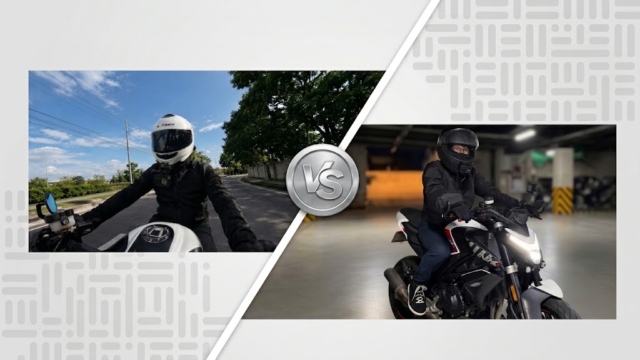
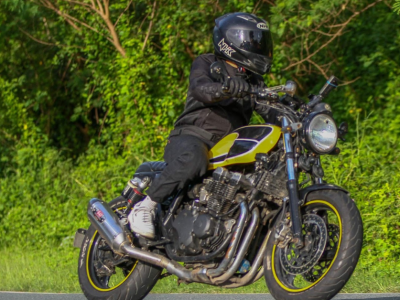
Every rider shopping for a summer jacket in this climate eventually hits the same fork in the road: do you go full mesh and trust that the entire jacket breathes, or do you go structured shell with mesh panels and trade some airflow for a more organized, certified build?
The JK-181 bets everything on a body-hugging 3D cut and a jacket made entirely of mesh no shell, no compromise, every surface theoretically breathes. The LS2 Breeze wraps you in a 600D oxford outer shell with large strategically-placed mesh panels, but those panels are sized and positioned with enough intention that in real Metro Manila riding conditions, the airflow story isn’t what the construction difference suggests.
I’ve ridden both. They’re both legitimate options at the entry-level price bracket, and they solve the Philippine heat problem from completely different angles. Which one is right for you depends less on specs and more on how you ride and what you value most when you suit up.
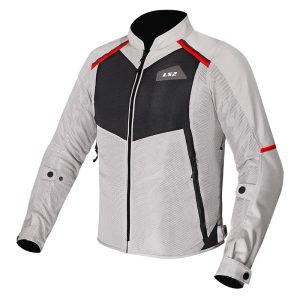
LS2 Breeze Jacket
LS2's entry-level summer jacket built for urban riders in hot climates. Features a 600D oxford polyester outer shell with large air mesh panels, CE Level 1 shoulder and elbow armor included, EN 17092 Class A certification, and adjustable fit points throughout. Lightweight, breathable, and priced where beginners and budget-conscious riders actually live.
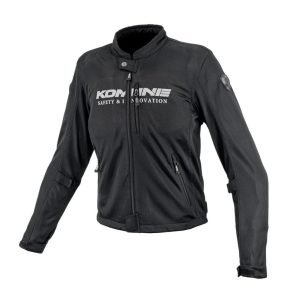
Komine JK-181 Enigma Light Mesh Jacket
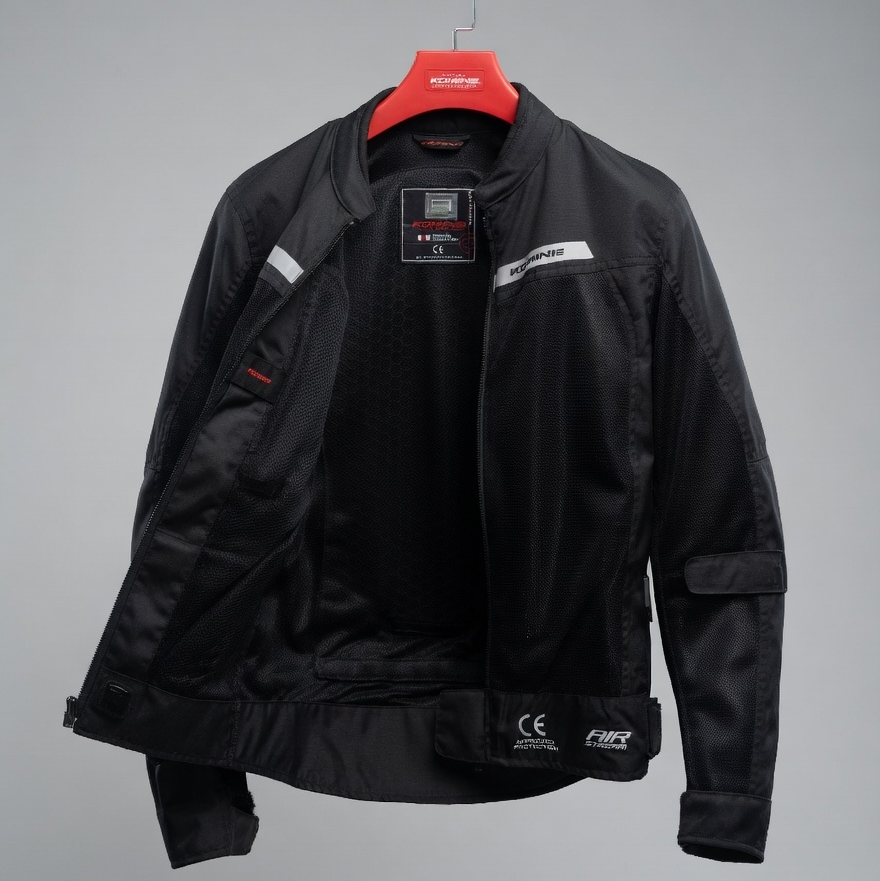
Komine JK-181 is a lightweight full-mesh riding jacket designed for hot-weather commuting, offering strong airflow, basic protection, and a comfortable riding fit.
Who Should Buy the Komine JK-181
- Riders who want precision fit and armor that stays put. The JK-181’s 3D riding-posture cut is the strongest argument for this jacket shoulder pads on your shoulders, elbow pads at your elbows, throughout the ride, not wherever gravity moves them after ten minutes in traffic. If your current jacket shifts around on the move, the JK-181 will feel like a completely different category of gear.
- Commuters who want armor to stay where it belongs. The 3D riding-posture cut keeps shoulder pads on your shoulders and elbow pads at your elbows throughout the ride, not wherever gravity decides to put them after ten minutes in traffic.
- Riders building their first kit who want chest protection included. The JK-181 ships with CE Level 1 chest armor standard. Most jackets at this price make you source it separately, or you ride without it.
- Anyone who’s been living inside an ill-fitting mesh jacket. If your current jacket tents off your body and shifts around on the move, the JK-181’s locked-in fit will feel like a completely different category of gear.
Who Should Buy the LS2 Breeze
- Riders who want certified full-garment protection, not just armor. EN 17092 Class A certification covers the jacket as a system abrasion resistance, seam strength, the whole construction not just the pads inside it. That’s a meaningful distinction for riders who take the safety paperwork seriously.
- Upright riders on nakeds, standards, or commuters. The relaxed fit and multiple adjusters are designed for riders who sit up, not riders tucked over clip-ons. It moves with you naturally on that geometry.
- Riders who want to dial in fit across the day. Waist adjusters, cuff closures, and arm snaps let you tighten down for highway wind and loosen up in slow traffic. The adjustment range is wide enough to actually matter.
- Budget-conscious riders who want a clear upgrade path. Base protection is real and certified. Add the LS2 851 back protector and their CE chest pad when you’re ready, and the protection picture upgrades cleanly without changing jackets.
Is the Chest-Protector-Included Advantage Worth It?
This is the most practically important question between these two jackets, and it cuts both ways.
The JK-181 puts a CE Level 1 chest protector in the box. You open it, put it on, and you’re covered in five zones from the first ride. No extra shopping, no riding without chest coverage because you haven’t gotten around to buying one yet. For most entry-level riders, that last part is the realistic scenario chest protectors get skipped because they’re a separate purchase. Komine removes that friction entirely.
The LS2 Breeze doesn’t include one. It’s designed to accept LS2’s CE chest pad as an add-on. That’s a reasonable design choice at the entry-level price point, but it means the chest protection gap is on you to close. If you buy the Breeze and never add the chest protector, you’ve traded that zone of coverage for a Class A certified shell and adjustable fit.
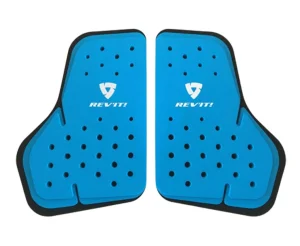
REV'IT FPG054 MOTORCYCLE JACKET CHEST PROTECTOR
For those seeking additional armor for their jacket, we offer the available SEESOFT CE-level 1 divided chest protectors. They can easily be inserted into a select variety of our jackets that come prepared with the proper pockets. In the case of an impact, these protectors absorb and distribute energy away from the rider. Furthermore, the flexibility incisions around the ventilation points provide the rider with a proper fit.
For a rider starting out, the JK-181’s out-of-the-box coverage is a genuine advantage. For a rider who already owns a chest protector and cares more about jacket certification, the Breeze’s approach makes more sense.
At-a-Glance: Specs Comparison
| Feature | Komine JK-181 Enigma Light Mesh | LS2 Breeze |
|---|---|---|
| Construction | Full mesh mesh IS the jacket | 600D oxford shell + large mesh panel sections |
| Fit cut | 3D riding-posture / body-hugging | Relaxed ADV/commuter cut |
| Certification | CE Level 1 armor per zone | EN 17092 Class A (full garment) + CE Level 1 armor |
| Shoulder armor | CE Level 1 (KOMINE SK-857) | CE Level 1 (included, dual elbow position adjust) |
| Elbow armor | CE Level 1 (KOMINE SK-856) | CE Level 1 (2 adjustable positions) |
| Chest armor | CE Level 1 (KOMINE SK-858) included standard | Not included; compatible with LS2 CE chest pad |
| Back protection | Honeycomb EVA pad (included); CE upgrade available | Pocket for LS2 851 Level 2 back protector (sold separately) |
| Ventilation type | Full-surface mesh airflow no shell barriers | Large strategic mesh panels; 600D shell on structural zones |
| Fit adjusters | — | Waist adjusters, cuff closures, arm snaps |
| Night visibility | Chest + back reflectors | Reflective graphics upper back and arms |
| Gender options | Men’s + Women’s (same full-protection spec) | Standard sizing |
| Rain protection | None get wet | None designed as dry-weather jacket |
The Philosophy Gap: Full-Mesh Purity vs Structured Shell
Before you get into zones and certifications, understand the core design difference. It decides almost everything else.
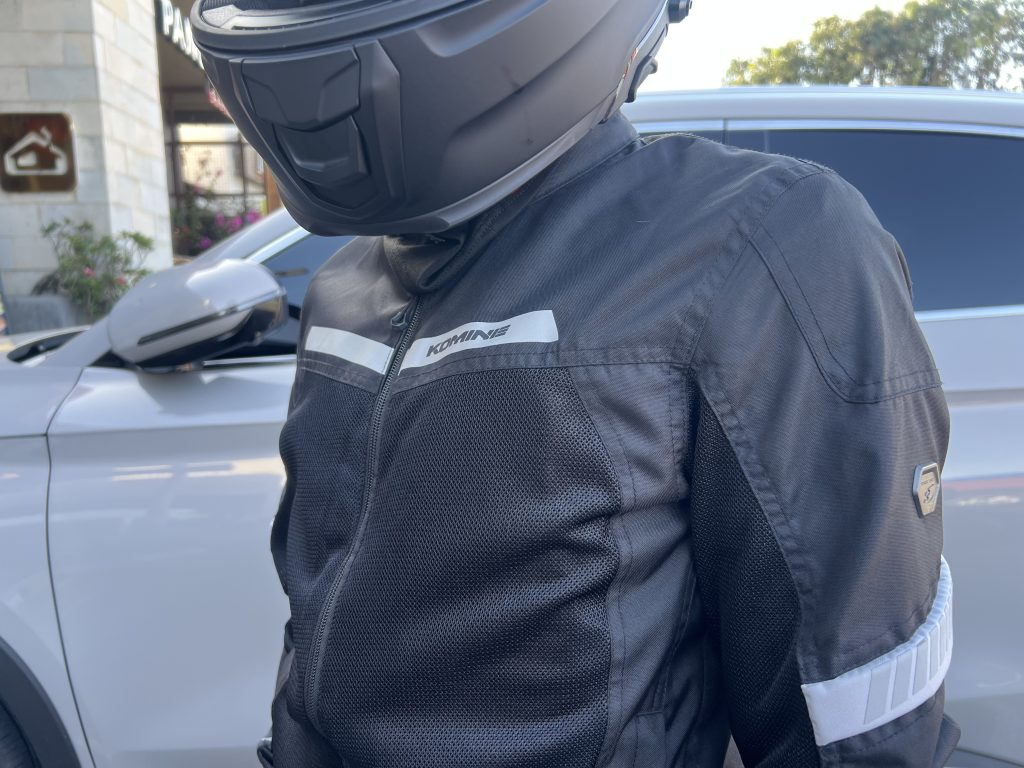
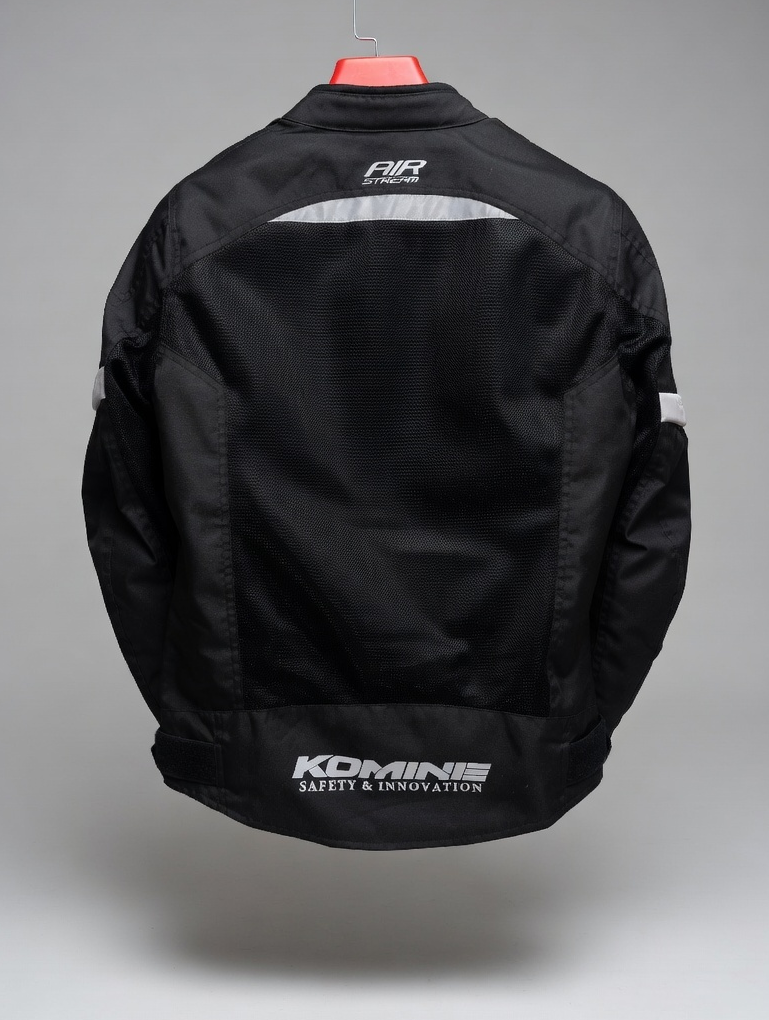
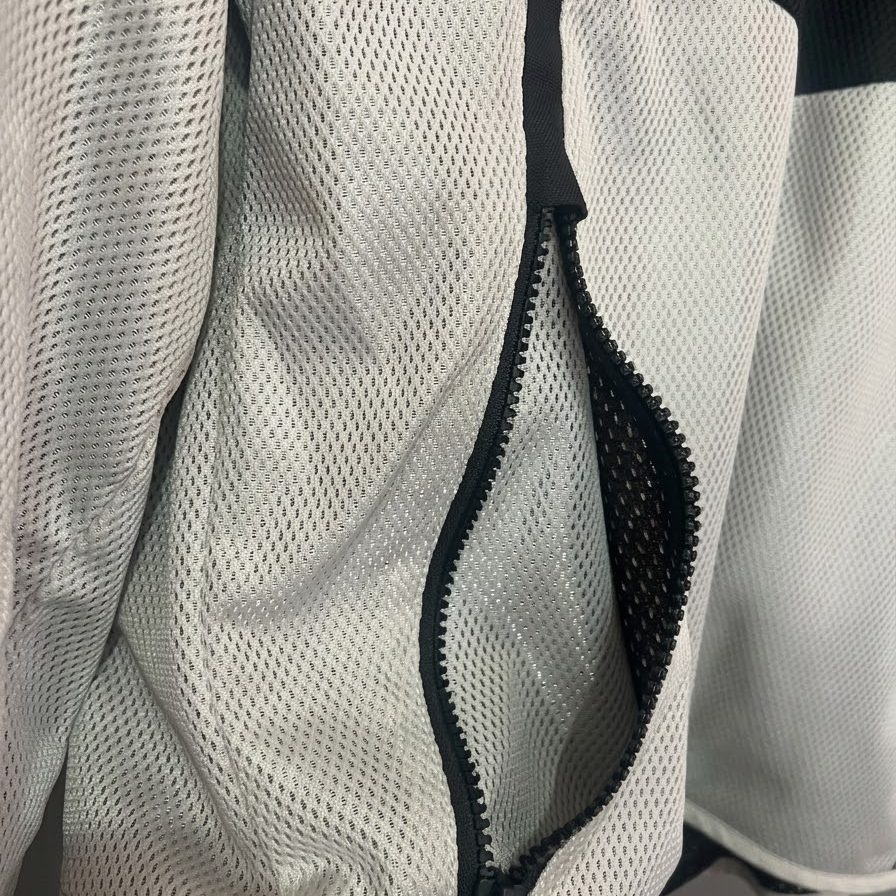
The Komine JK-181 is built on one principle: if you want maximum airflow, remove everything that blocks airflow. There is no outer shell. The mesh isn’t inset into panels it is the jacket. When you hold it up, you can see through it. Every surface, front, back, and arms, is open weave. At speed, air doesn’t find paths through the jacket. It moves through the entire jacket simultaneously.
The LS2 Breeze works from a different principle: structure matters, and structure requires a shell. The 600D oxford outer provides abrasion resistance, seam integrity, and the platform for EN 17092 Class A certification. The large mesh panels give you strong ventilation in the zones that matter most, but the shell is there doing structural and safety work that mesh alone can’t do.
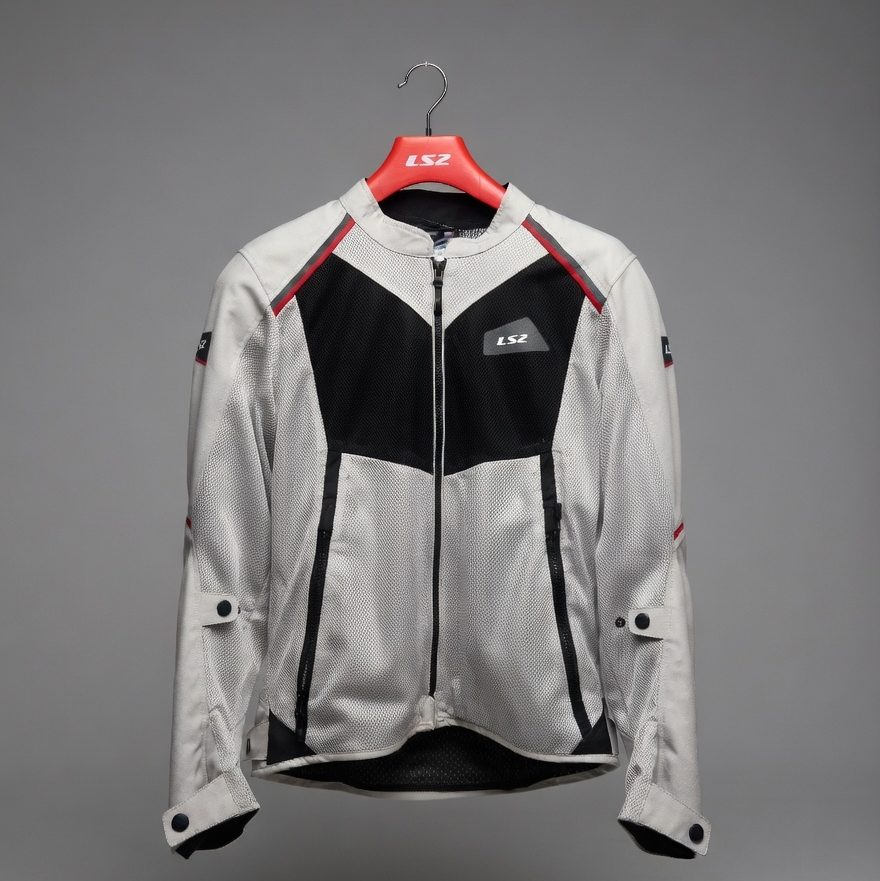
Neither approach is wrong. Full-mesh jackets maximize airflow and minimize heat retention at the cost of structural certification. Structured mesh jackets earn formal garment ratings and offer more durable construction, at the cost of some ventilation coverage.
Your riding context decides which philosophy serves you better. On paper, full mesh wins on physics no shell barriers means no hot zones. In practice, mesh construction and panel placement aren’t the same variable. The Breeze’s panels are large enough and positioned well enough that the airflow delta narrows considerably, and in stop-and-go Metro Manila traffic, reverses. Rider who wants certified garment protection, adjustable fit, and the better airflow for city commuting? The Breeze’s structured approach gives you all of that.
Choose the Komine JK-181 if:
You’re done compromising on airflow. The Philippines is not a climate where “adequate ventilation” is a real answer. Full mesh from collar to hem means you’re not managing hot zones there are no hot zones. At highway speeds, the JK-181 earns the “wearable air conditioning” description honestly. At slow traffic speeds, the thin open-weave construction prevents heat from building the way it does in thicker jackets with vent panels.
Fit matters to you. Most mesh jackets at entry-level price are cut to fit a demographic, not a body. The JK-181’s 3D riding-posture construction is cut for how riders actually sit on bikes. The armor stays where it was placed, which is the only way CE armor actually does its job. If you’ve been riding in something that shifts around, the JK-181 will feel like gear that was designed rather than sized.
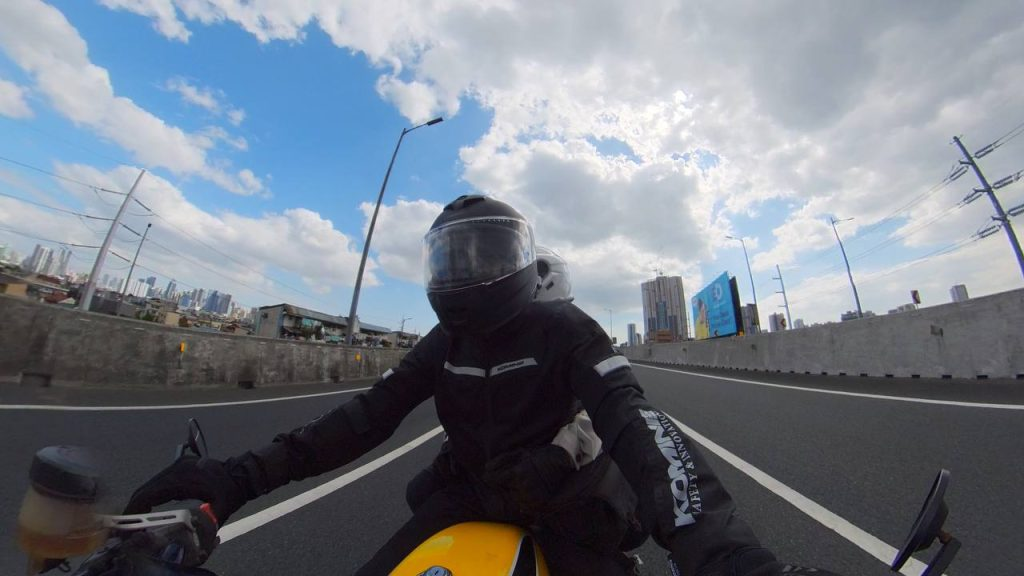
You want complete protection out of the box. Five armor zones shoulders, elbows, chest, and spine without adding anything or budgeting for follow-up purchases. That completeness matters more than people give it credit for when they’re building a first kit.
Full mesh, locked-in armor, and complete coverage out of the box see why the JK-181 is a summer winner: Komine JK-181 Review
Choose the LS2 Breeze if:
You want a jacket that’s certified as a system, not just as a collection of certified parts. EN 17092 Class A covers the whole garment’s protective performance. The shell, the construction, the seams all tested together. For riders who want that level of documented safety assurance on what they’re wearing, the Breeze offers something the JK-181 doesn’t.
Your riding position is upright. The relaxed fit works naturally for naked bikes, standards, underbone/scooter posture, and general commuting geometry. The multiple adjusters waist, cuffs, arms let you dial it in across riding conditions throughout the day. The Breeze doesn’t fight you on an upright bike the way a sport-cut jacket sometimes does.
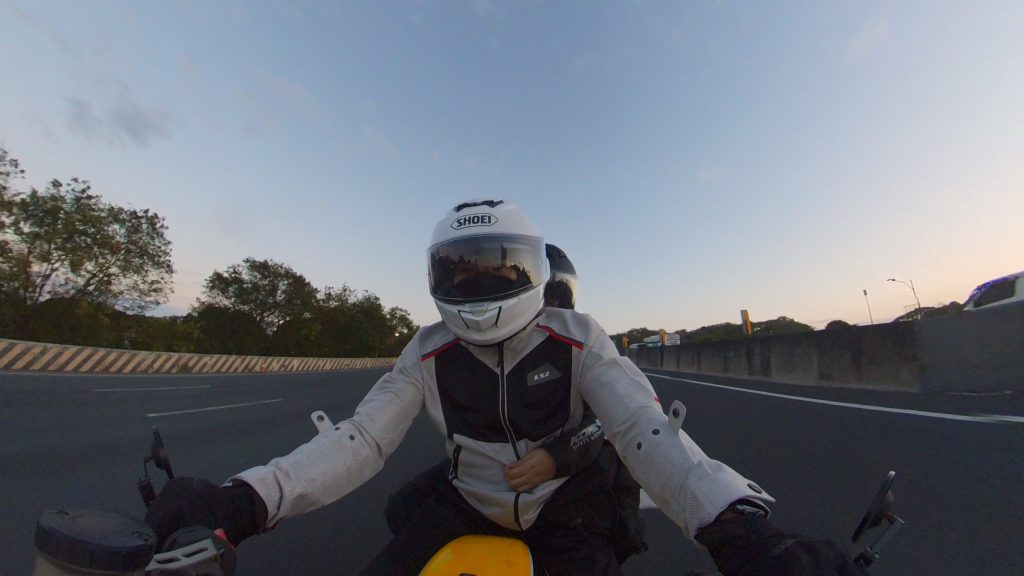
You want flexibility in how you build out protection over time. The LS2 Breeze is designed to accept upgrades cleanly. Add their CE chest protector, add the Level 2 back pad, and the protection picture improves substantially without swapping jackets. If budget means buying in stages, the Breeze is structured around that reality.
The scratch-resistant front zip piping and glove-friendly pocket openings also signal a jacket whose designers thought through daily use. Small details, but the kind you notice after two weeks of commuting.Head-to-Head by Category
Metro Manila heat tested! Breeze keeps you cool, comfy, and protected on upright rides: LS2 Breeze Review
Ventilation
JK-181: Full-mesh construction means every surface is theoretically open to airflow. At highway speeds that’s real no shell zones, no dead patches. The problem is that full mesh also means no channeling. Air moves through the jacket uniformly, which is excellent at 80 kph and less meaningful at 15 kph in Edsa traffic, where you need panels that direct airflow rather than just permit it. Morning rides at speed? The JK-181 earns its reputation. Afternoon stop-and-go? It gives ground.
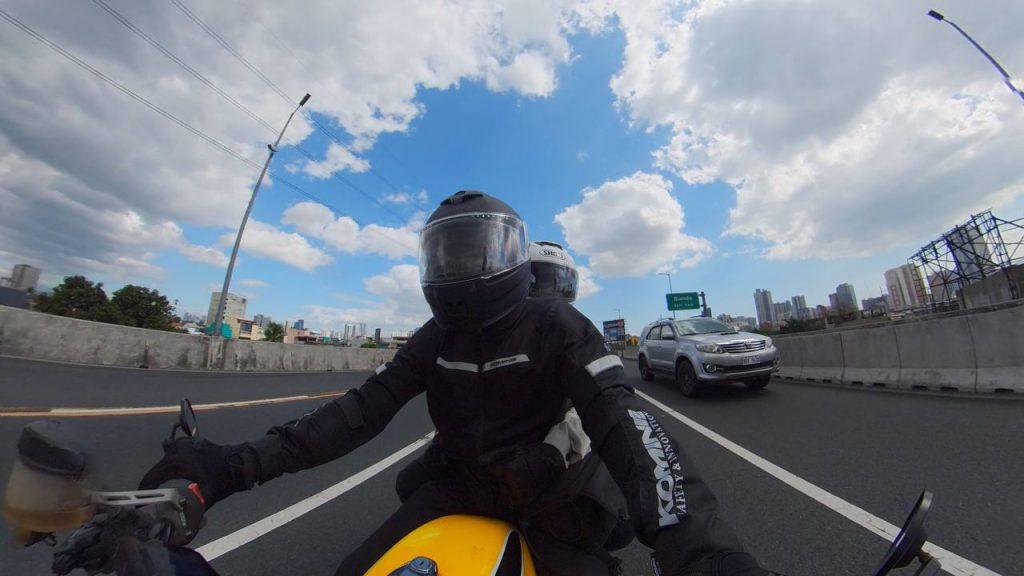
LS2 Breeze: The Breeze’s panels aren’t token gestures they’re large, and they’re placed at the chest inlet and back exhaust zones where convective airflow actually works. In stop-and-go testing, that intentional positioning outperformed the JK-181’s passive total-mesh approach. When you’re not moving fast enough to force air through fabric, directed panel placement beats uniform open weave. The Breeze ran cooler in Metro Manila traffic conditions where it matters most for the average Philippine commuter.
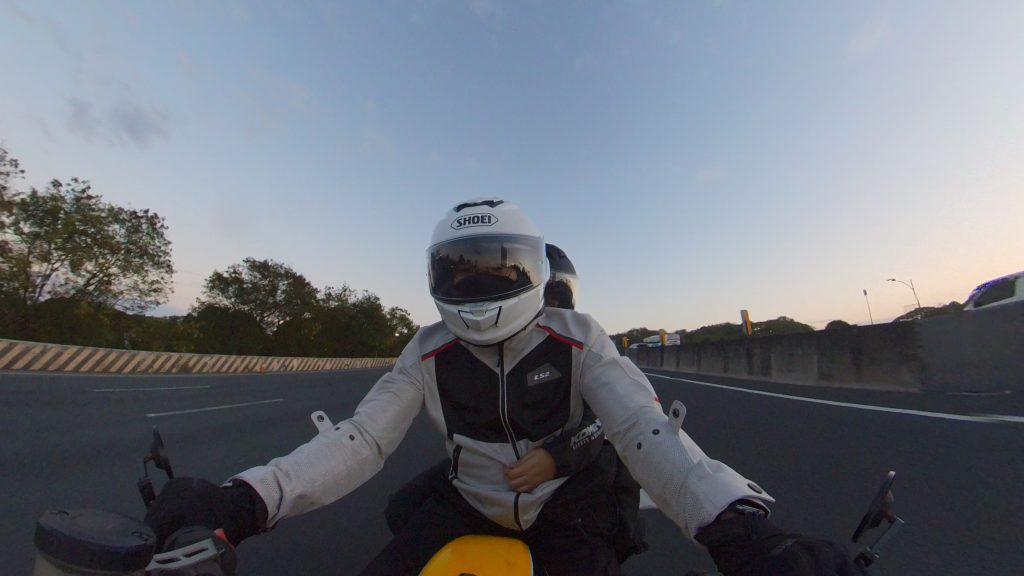
Edge: LS2 Breeze full mesh wins at speed on paper, but Metro Manila riding is 70% stop-and-go. At those speeds, panel placement beats total mesh coverage, and the Breeze’s airflow design reflects that.
Best airflow helmets tested for heat see which lids actually move air like crazy in tropical riding conditions: best ventilated helmets
Protection
JK-181: CE Level 1 in five zones installed from the factory. The headline number here is the chest protector most jackets in this category skip it or sell it separately. Komine includes it standard. The elbow pads have the additional benefit of staying put due to the fitted cut; they don’t drift to your forearm between stops. Back protection is an EVA honeycomb pad not CE-certified hard armor, but included, and Komine makes the upgrade path clear if you want certified spine coverage. The overall protection picture out of the box is genuinely hard to beat at entry-level pricing.
LS2 Breeze: CE Level 1 shoulders and elbows, with two adjustable elbow positions that let you match placement to your arm length. Elbow armor coverage that actually fits different riders is a detail worth noting. EN 17092 Class A means the jacket as a whole has been tested and certified the shell, the seams, the construction aren’t just background. No chest protector included, no back protector included, but both can be added cleanly with LS2’s own accessories. The certified system-level protection is the Breeze’s protection story; it’s just that the full story requires some follow-up shopping.
Edge: JK-181 five zones installed from day one, including chest protection, beats the Breeze’s two-zone starting point. If you add the Breeze’s CE chest and back protectors, the gap closes significantly but that’s follow-up spending.
Fit and Daily Comfort
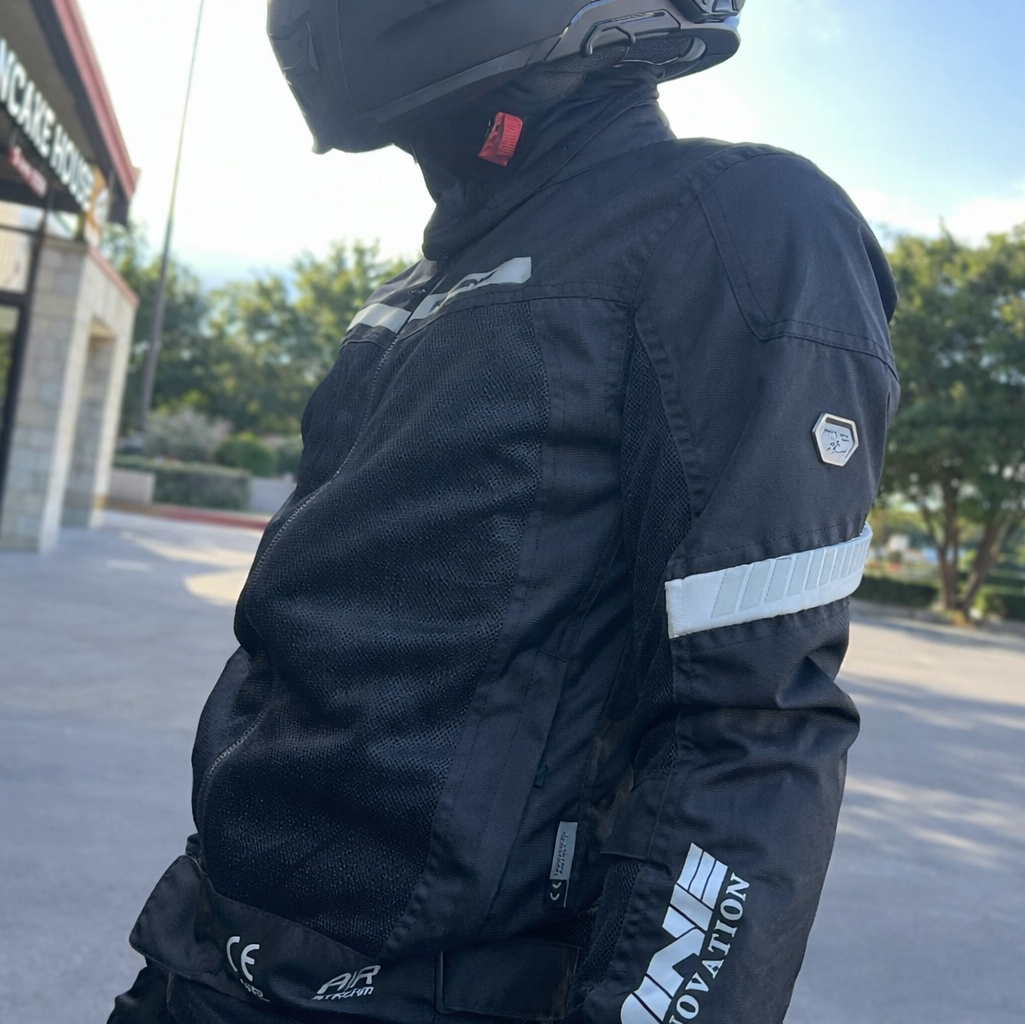
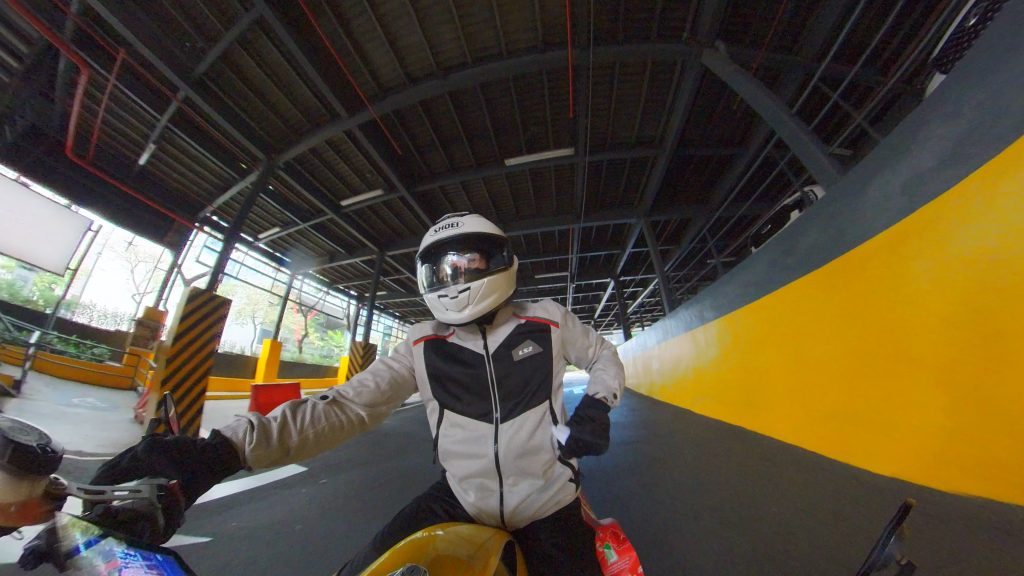
JK-181: The 3D cut is the feature that makes the JK-181 different from almost every other entry-level mesh jacket. It’s designed around riding posture the geometry of reaching for bars, not standing in a showroom. The result is a jacket that sits against your body, doesn’t tent or billow, keeps armor in position through the whole ride, and doesn’t require constant adjusting. The tradeoff is that the fitted cut suits riders who want their gear to follow their body. If you ride multiple positions or layer underneath, the precision fit has less room to accommodate that. Weight is minimal, and the 3D construction means no fabric bunching at the shoulders or lower back over long rides.
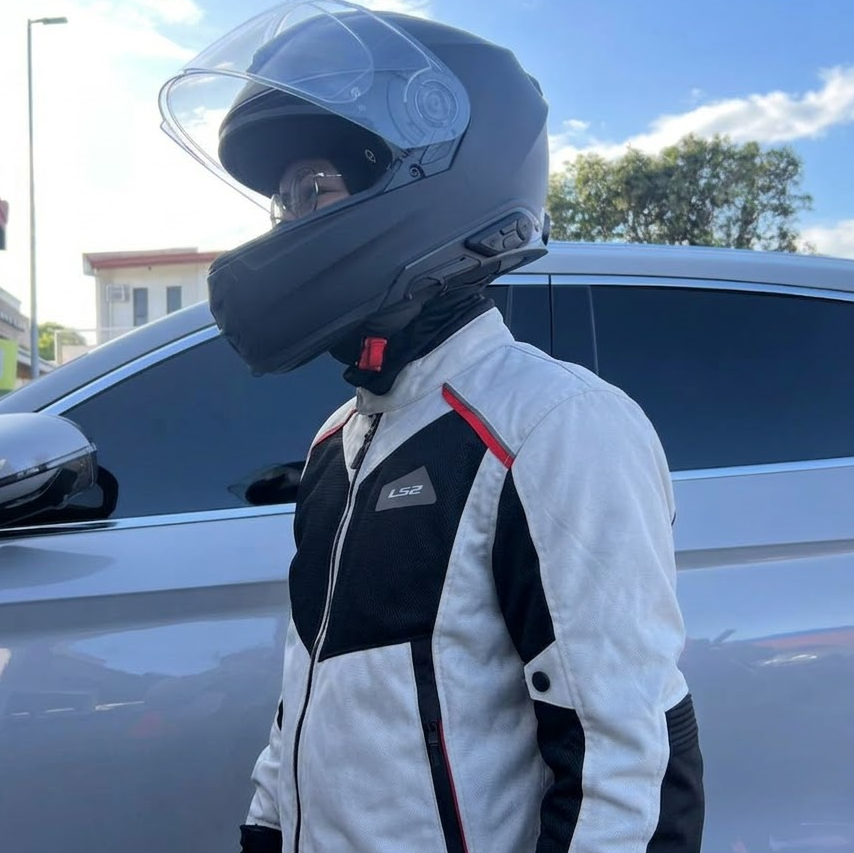
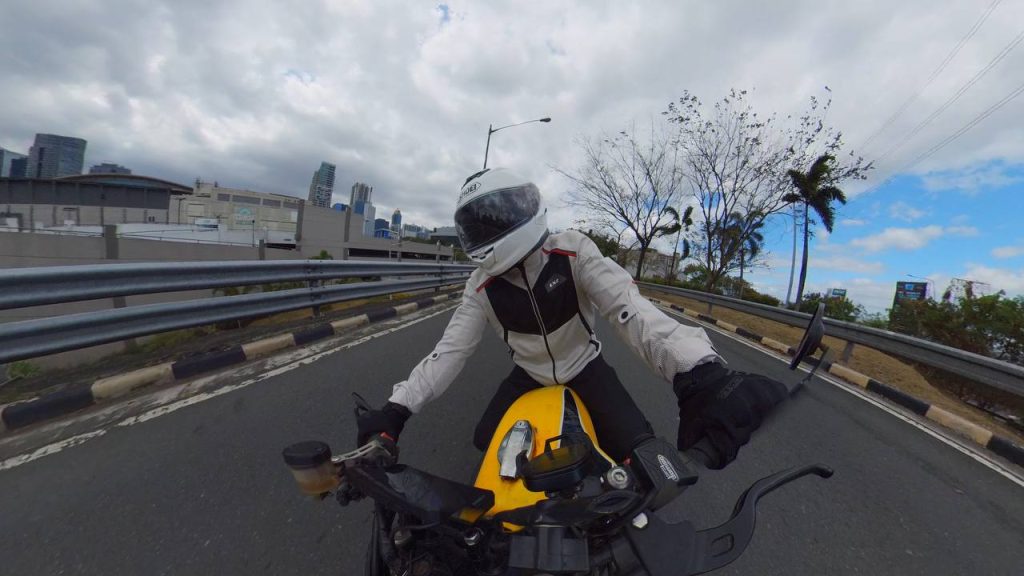
LS2 Breeze: The relaxed fit is intentional. It suits upright riding positions and leaves room for air movement inside the jacket on a day where even passive internal airflow helps, the relaxed cut contributes something. The multi-point adjusters (waist, cuffs, arms) mean you can bring the jacket closer when you need it or open it up when you don’t. Collar is soft against the neck and doesn’t develop pressure points on longer rides. The 600D shell has more structure and presence than the JK-181’s all-mesh construction, which some riders prefer it doesn’t feel as “naked” when you move around off the bike. True to size without quirks.
Edge: Draw depends entirely on what you want. The JK-181 wins for riders who want precision fit and armor accuracy. The Breeze wins for riders who want relaxed fit and adjustability.
Daily Use and Features
JK-181: Reflectors on chest and back in positions where headlights actually hit. Available in men’s and women’s cuts with the same full-protection spec the fit story translates across both. Light enough that you barely register it on long commutes. No pockets worth specifically calling out, which is standard for full-mesh jackets; the construction doesn’t leave room for storage features without adding weight and coverage that the design philosophy avoids.
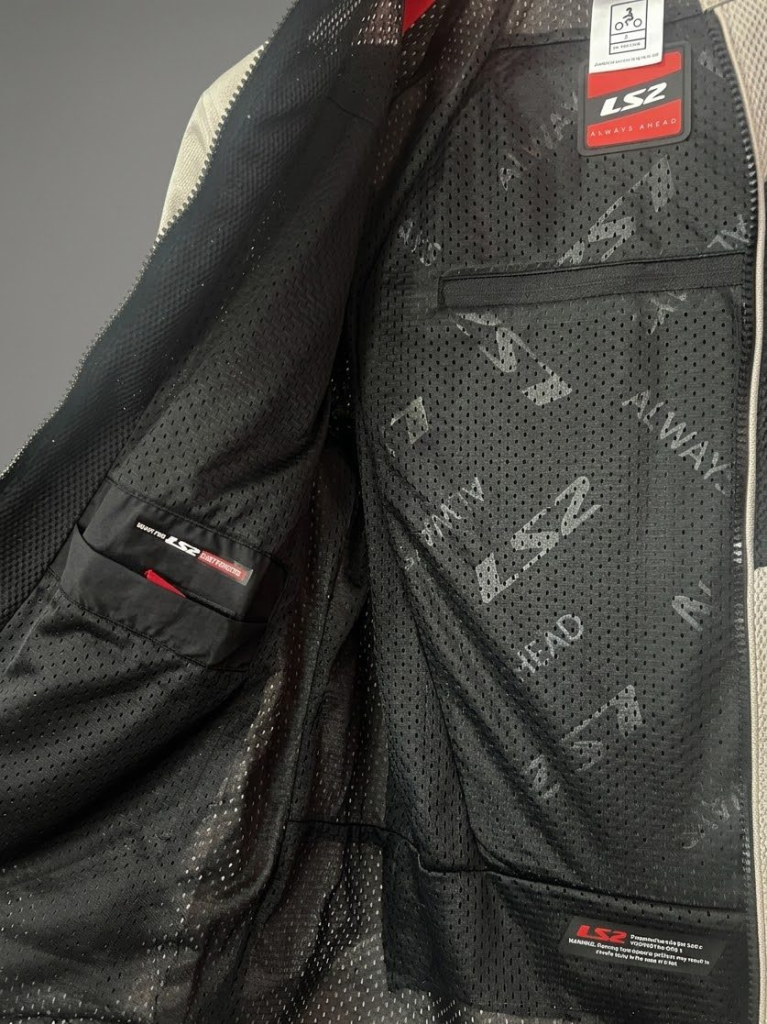
LS2 Breeze: Two deep external hand pockets positioned for riding posture you can actually reach them at a stoplight. Internal zip pocket for cards and cash, the kind that keeps essentials secure on commutes. Scratch-resistant front zip piping is a genuine daily-use detail. Pocket openings are wide enough to work with gloves on, which matters at toll booths and parking gates. The additional features reflect the Breeze’s more complete everyday-carry design. It’s a jacket built for riders who use their gear like a tool.
Edge: LS2 Breeze better storage and practical features for daily commuting use.
Value for Money
Both jackets live in the same general price bracket, which makes the value comparison sharper than a premium-vs-budget split.
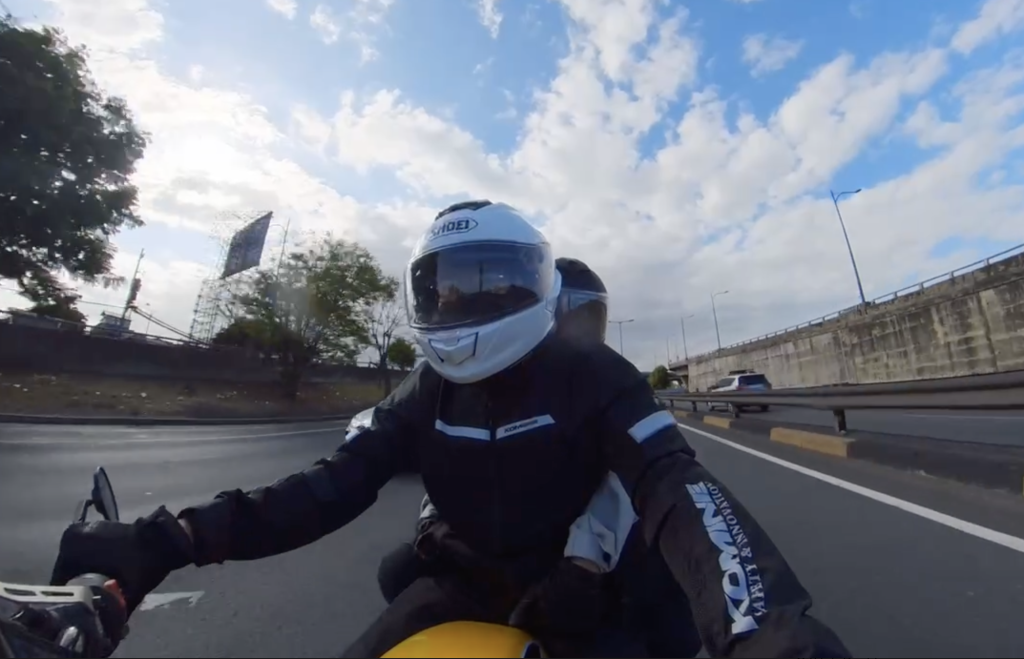
The JK-181’s value case rests on what it includes: a chest protector that most similarly-priced jackets don’t come with, a fit quality that typically requires spending more, and full-mesh construction that out-ventilates anything with panels at a similar price. For a rider whose primary concern is airflow and complete out-of-box protection, the JK-181 gives you more of what matters without charging premium for it.
The Breeze’s value case rests on the certification and structure: EN 17092 Class A on a jacket at entry-level pricing is unusual. The build quality the 600D shell, the scratch-resistant zips, the glove-friendly pockets reflects more construction investment than the all-mesh construction of the JK-181. And the upgrade path for back and chest protection is clean and affordable.
Add LS2’s CE chest protector and Level 2 back pad to the Breeze, and the total protection picture is strong. It’s more total spend, but you end up with a Class A certified jacket with two-zone Level 2 armor potential. Add Komine’s CE back protector upgrade to the JK-181, and you have certified armor in six zones on a full-mesh jacket. Different final configurations, similar additional cost.
For a first-time gear buyer on a tight budget who wants maximum protection from day one without follow-up purchases: the JK-181’s inclusive spec wins. For a rider who wants formal garment certification and plans to build out protection over time: the Breeze’s upgrade architecture wins.
Our detailed breakdown of the Shoei GT‑Air 3 quiet, ventilated, and long‑ride ready for everyday Philippine riding: Shoei GT‑Air 3 review
The Bottom Line
The Komine JK-181 and the LS2 Breeze both solve the Philippine summer riding problem. They solve it differently, and the difference is real enough to matter for different riders.
The JK-181 is the choice if you want precision fit, body-hugging armor placement, and complete five-zone protection without additional purchases. The 3D cut keeps armor where it belongs, the chest protector ships standard, and nothing else at this price comes out of the box this complete on protection.
LS2 Breeze Jacket
LS2's entry-level summer jacket built for urban riders in hot climates. Features a 600D oxford polyester outer shell with large air mesh panels, CE Level 1 shoulder and elbow armor included, EN 17092 Class A certification, and adjustable fit points throughout. Lightweight, breathable, and priced where beginners and budget-conscious riders actually live.
Komine JK-181 Enigma Light Mesh Jacket
Komine JK-181 is a lightweight full-mesh riding jacket designed for hot-weather commuting, offering strong airflow, basic protection, and a comfortable riding fit.
The LS2 Breeze is the choice if you want the best airflow for city commuting, a certified jacket-as-system, and adjustable fit built for upright riders. In stop-and-go Metro Manila conditions, it runs cooler than full-mesh construction and it’s the only jacket here with EN 17092 Class A on the whole garment. For the majority of Philippine commuters, this is the stronger daily recommendation.
Neither is the wrong choice. Both keep you cooler than anything without real mesh, both come with CE Level 1 armor, and both are honest recommendations for Philippine commuters at the entry-level price.