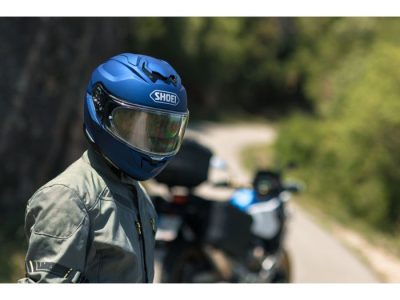
I have done the many rides like Taguig to Zambales in full summer heat with a helmet that barely breathed, and I know exactly what highway lightheadedness feels like. It does not announce itself. Your focus narrows, you slow down mentally, and by the time you notice something is off you have already been riding compromised for 30 minutes. That is not a comfort problem. That is a safety problem.
Both the Schuberth S3 and the Shoei GT-Air 3 sit at the top of the sport-touring helmet market and both make strong claims about ventilation. One costs significantly more and is German-engineered specifically around noise and airflow. The other is a Shoei, which means it has a reputation built over decades of premium Japanese manufacturing. On paper these are two of the best options in the segment.
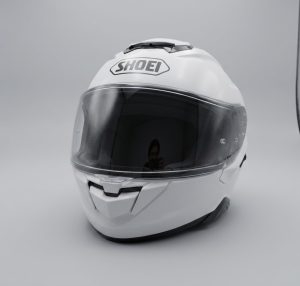
Shoei GT-Air 3
A premium touring helmet with an aerodynamic AIM+ shell, integrated internal sun visor, Pinlock-ready visor, micro ratchet buckle with stainless steel teeth, and pre-routed Sena SRL3 wiring channels. Built for all-day comfort on sport, naked, and touring bikes.
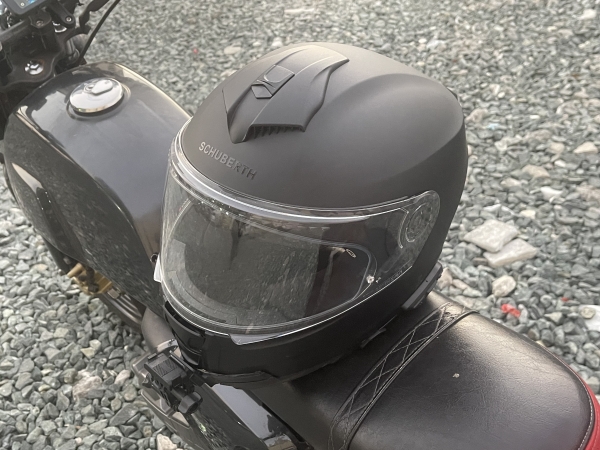
Schuberth S3
A premium sport-touring full-face helmet with a carbon-reinforced composite shell, dual-density EPS liner, Pinlock 120 pre-installed, flip-down sun visor, plug-and-play SC2 communication system with pre-installed speakers and microphone, and an Anti-Roll-Off System. Built for serious distance riders who refuse to compromise between comfort and protection.
I rode both across Metro Manila commutes and highway runs to find out which one actually solves the heat problem. The answer is clear. But both helmets deserve a proper look before you decide where your money goes.
Quick Verdict
Who should buy the Schuberth S3
- Heat management is your priority. The directed airflow from the chin vent moves cool air specifically across your eyes and through the full interior, which is the most effective cooling system I have tested in a full-face helmet. On long expressway runs this is the difference between arriving sharp and arriving foggy.
- Riders who do regular multi-hour highway stints and want both strong ventilation and genuine quiet at the same time. The S3 is the only helmet I have used where those two things do not fight each other.
- Anyone who wants comms installed and working from day one. The SC2 system slots in, no wiring, no routing, done in five minutes.
- Riders who have dealt with fogging before. The Pinlock 120 is pre-installed out of the box. You open it, wear it, and fog is not a thing you think about.
Who should buy the Shoei GT-Air 3
- You ride a mix of city and highway and want a helmet that ventilates well at both ends of the speed range. The GT-Air 3’s chin vent performs impressively below 30 kph where most full-face helmets fail completely.
- Riders already in the Sena ecosystem. The pre-cut SRL3 channels make installation effortless and the result looks and feels like factory equipment.
- Anyone between sizes who wants the best proportional fit. Three shell sizes means the helmet geometry actually matches your head rather than approximating it.
- Riders who want a premium touring helmet without the S3’s price tag and are comfortable installing a Pinlock themselves.
At-a-Glance Specs
| Feature | Schuberth S3 | Shoei GT-Air 3 |
|---|---|---|
| Shell Construction | DFP carbon-reinforced fiberglass + basalt layer | AIM |
| Shell Sizes | 2 shells: XS-L / XL-3XL | 3 shells: XS-S / M-L / XL-XXL |
| Noise Level | 85 dB claimed at 100 kph, exceptional in real use | Quiet, wind noise present at 110 kph |
| Ventilation | Double chin bar inlet + forehead vent + rear exhaust, directed airflow | Chin vent + 2-stage forehead vent + dual rear exhaust |
| Visor | Class 1 optical, Pinlock 120 pre-installed | Pinlock-ready, Pinlock included |
| Sun Visor | Flip-down, V-lock mechanism | Drop-down, noticeably dark tint |
| Comms | Pre-installed speakers, mic, antenna. SC2 plug-and-play | Pre-cut Sena SRL3 wiring channels |
| Retention | Micro-metric ratchet buckle | Micro-ratchet, stainless steel teeth |
| Emergency Release | SRS cheek pad quick-release + AROS anti-roll-off system | Red-tab cheek pad removal |
| Safety Cert | ECE 22.06, DOT | ECE 22.06 |
| Interior Customization | Individual Program adjustable cheek and rear pads | Single interior configuration |
The Core Difference: Directed Airflow vs Broad Airflow
Before going category by category, the one thing worth understanding is the fundamental difference in how these two helmets approach ventilation. It explains every other comparison in this article.
The GT-Air 3 ventilates the way most well-designed helmets ventilate. Air enters through the chin vent, moves around the interior broadly, and exits through the rear exhausts. It is an effective system that performs better than most of its competition, especially at low speeds. You feel it working and it does the job.
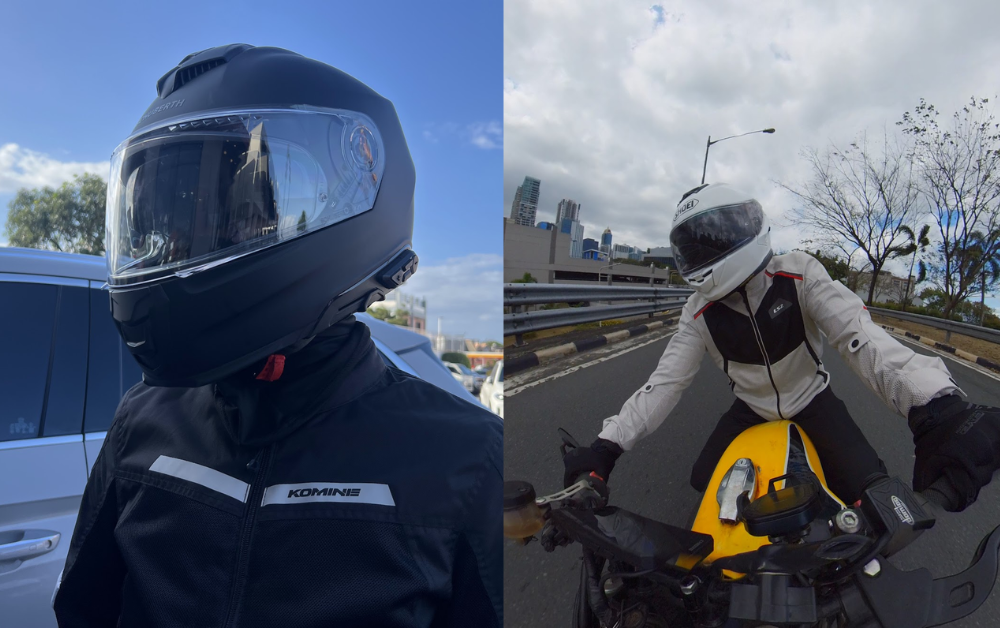
The S3 does something different. Internal channels route incoming air upward in a directed stream, across your eyes, and pull it rearward through the EPS liner to the exhaust vents at the back. The entire interior breathes as a system rather than just the front section. You do not just feel air in the helmet. You feel it moving to a specific place.
Get the complete test on the GT-Air 3’s noise reduction, ventilation, and long-ride comfort. Read the full Shoei GT-Air 3 review
Choose the Schuberth S3 if:
You ride long stretches of expressway regularly and heat fatigue is a real problem for you. The directed airflow keeps your core head temperature lower for longer, which is the thing that prevents the slow creeping lightheadedness that catches highway riders off guard.
You want the ventilation and the quiet at the same time without having to choose. Most helmets make you pick. The S3 does not, and once you have ridden it you will find it hard to accept that compromise on anything else.
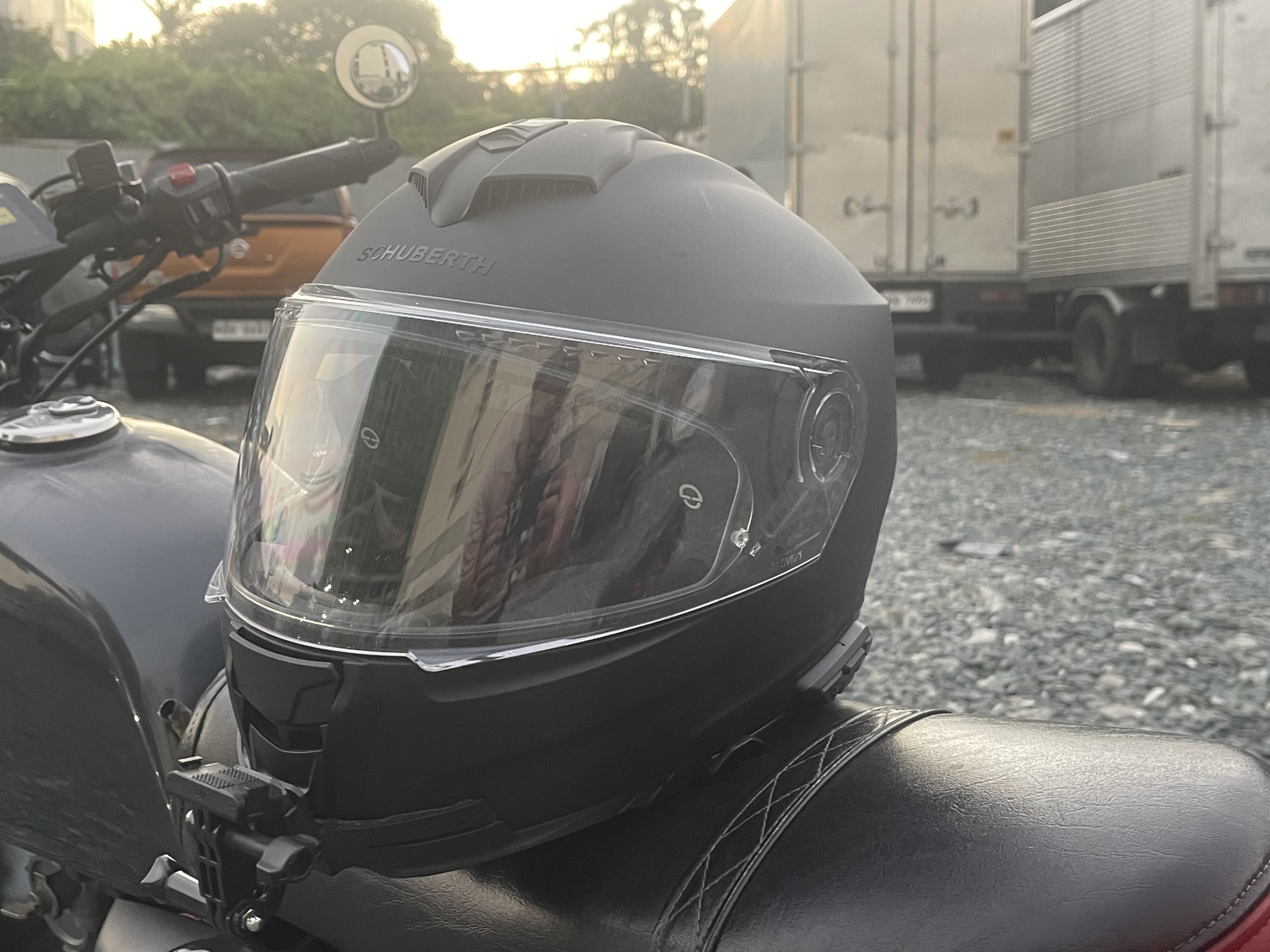
You want comms working from the moment you open the box. The SC2 setup takes five minutes. There is no wiring evening, no YouTube tutorial, no fumbling with cable routing through the liner. You just slot it in.
Choose the Shoei GT-Air 3 if:
You split your riding evenly between city filtering and highway runs and want a helmet that performs well at both ends without a significant price premium. The GT-Air 3’s low-speed ventilation is genuinely impressive and it does not overheat you in stop-and-go traffic the way lesser helmets do.
You want a helmet where the sizing actually fits your head shape properly. Three shell sizes across the size range means a size S GT-Air 3 is geometrically designed for a small head, not just a large helmet with thicker padding. That is a real engineering commitment that most competitors do not match.
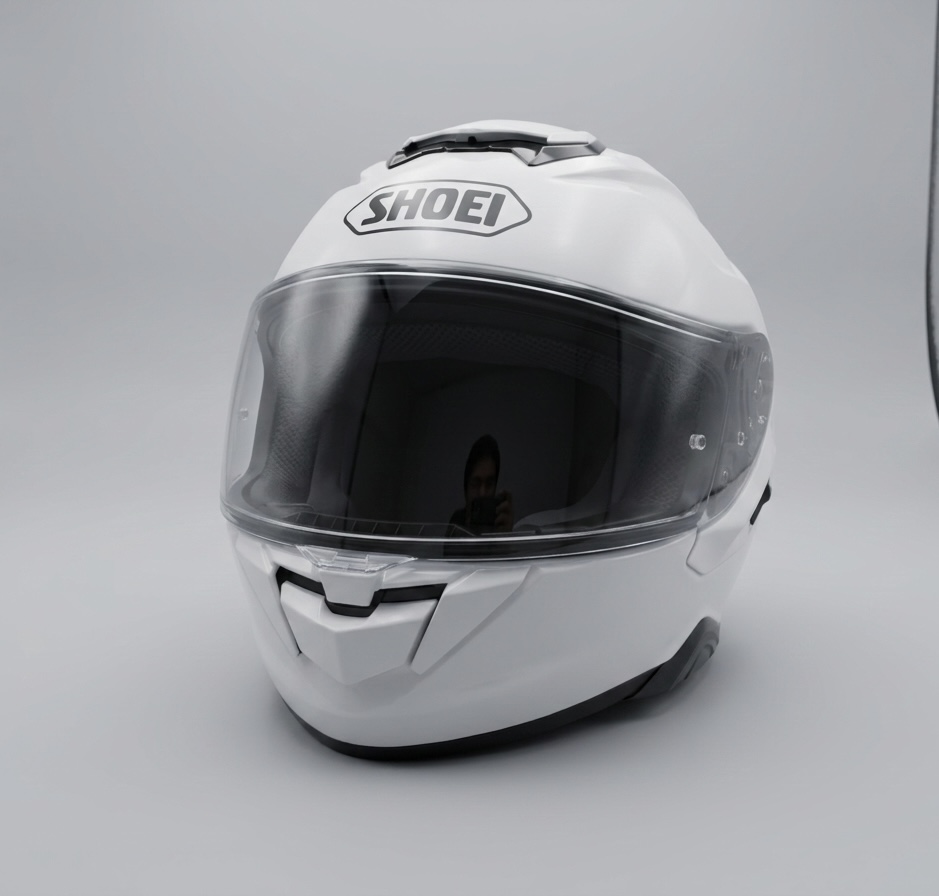
You are already running Sena gear. The SRL3 integration on the GT-Air 3 is seamless, the speaker pockets are correctly positioned, and the result feels like a factory comms setup once everything is routed. If Sena is already your ecosystem, the GT-Air 3 is built for you.
Head-to-Head by Category
Ventilation
Schuberth S3: Open the chin vent on NLEX doing 80 kph and the first thing you notice is that cool air is moving toward your eyes. Not toward your face in a vague general sense. Specifically toward your eyes, which is where your head actually needs cooling when you are starting to overheat. The double chin bar inlet feeds air into internal channels that route it upward through the liner and pull it rearward out through the rear exhaust vents. The entire interior breathes, not just the section near your forehead. Even filtering at 20 kph through C5 heat, the system feels active and purposeful rather than passive.
Shoei GT-Air 3: Open the chin vent and you feel real, immediate airflow across your face. This is more than most helmets can say and I want to be clear that the GT-Air 3 ventilates well. The two-stage forehead vent gives you some control over how aggressively the system pulls air through, and the chin vent also actively pushes air upward across the inner visor surface which helps with fog as a secondary benefit. At 30 kph and below I was not building up heat inside this helmet at all, which is genuinely impressive for a full-face lid.
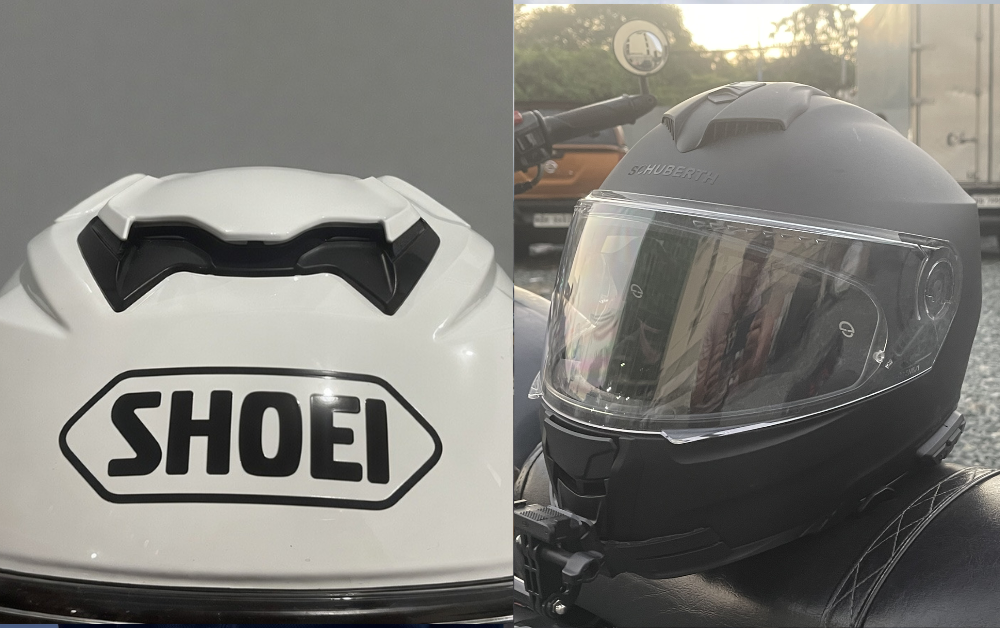
Winner: Schuberth S3. The directed airflow is not a minor refinement over what the GT-Air 3 does. It is a fundamentally different approach to ventilation and the results on a long hot expressway run are noticeably different.
See how the S3 and GT-Air 3 rank among the top airflow performers for Philippine roads. Check the best ventilated motorcycle helmets 2026
Noise at Highway Speed
Schuberth S3: At Expressway speeds the S3 drops to a low ambient hum that you are aware of but not distracted by. The aerodynamic shell geometry manages airflow over and around the helmet rather than letting it pile up and create turbulence. Turbulator ridges along the top edge of the visor break up airflow where the visor meets the shell.
Shoei GT-Air 3: The GT-Air 3 is one of the quietest helmets I have worn and I want to give it the credit it deserves before saying what needs to be said. At city speeds it is impressively hushed. At 110 kph there is wind noise. It is not loud and it is not the kind that leaves your ears ringing, but it is consistent and it is there for the full duration of your highway ride. Over a two-hour expressway run that ambient noise adds up as fatigue even when you are not consciously registering it as a problem.

Winner: Schuberth S3. The GT-Air 3 is quiet. The S3 makes the GT-Air 3 feel like a normal helmet by comparison. That gap is real and it matters most on the long rides where both helmets are most likely to be used.
Visor and Fog Management
Schuberth S3: The Pinlock 120 is pre-installed, providing fog resistance from the first ride. The main visor is Class 1 optical quality, ensuring no distortion through fast corners. It has a crack position detent for extra airflow in slow traffic and four firm detents that hold the visor securely at different heights. The flip-down sun visor deploys smoothly, and the V-lock mechanism keeps it stable at speed with no wobble.
Shoei GT-Air 3: The Pinlock-ready visor (haven’t installed) shows minor fogging near the nose when stationary, clearing once moving. The internal sun visor is darker than expected, effectively cutting glare on morning and afternoon highway rides. The center-mounted visor tab requires a button press to lift, taking a few rides to get used to but holds securely at speed.
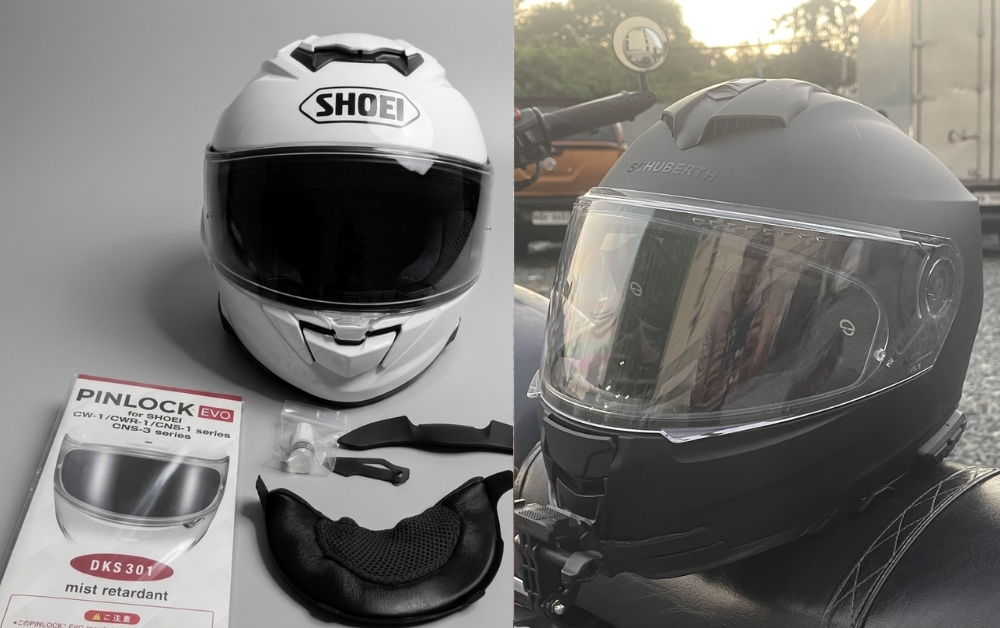
Winner: S3 for fog management. GT-Air 3 for sun visor tint. The Pinlock pre-installed is a real advantage in Philippine humidity. But the GT-Air 3’s sun visor is darker and more useful in bright conditions than the S3’s.
Communication Integration
Schuberth S3: Speakers, microphone, and antenna come pre-installed from the factory. The SC2, which runs on the Sena 50S platform, is plug-and-play. Insert the battery, attach the remote, done. I expected to spend an evening running wires the way I have done on every other helmet I have set comms up on and instead I was finished in about five minutes with nothing exposed. Music stays clear and defined at highway speeds and the speakers sit in exactly the right position with zero pressure on my ears.
Shoei GT-Air 3: The pre-cut Sena SRL3 wiring channels, dedicated speaker recesses, and purpose-built intercom cavity make installation genuinely easy and the result looks like factory equipment. Speaker pockets are well-positioned and audio quality is good without any uncomfortable pressure against your ears. If you are already running Sena gear the process is close to effortless and the integration feels completely intentional rather than an afterthought.
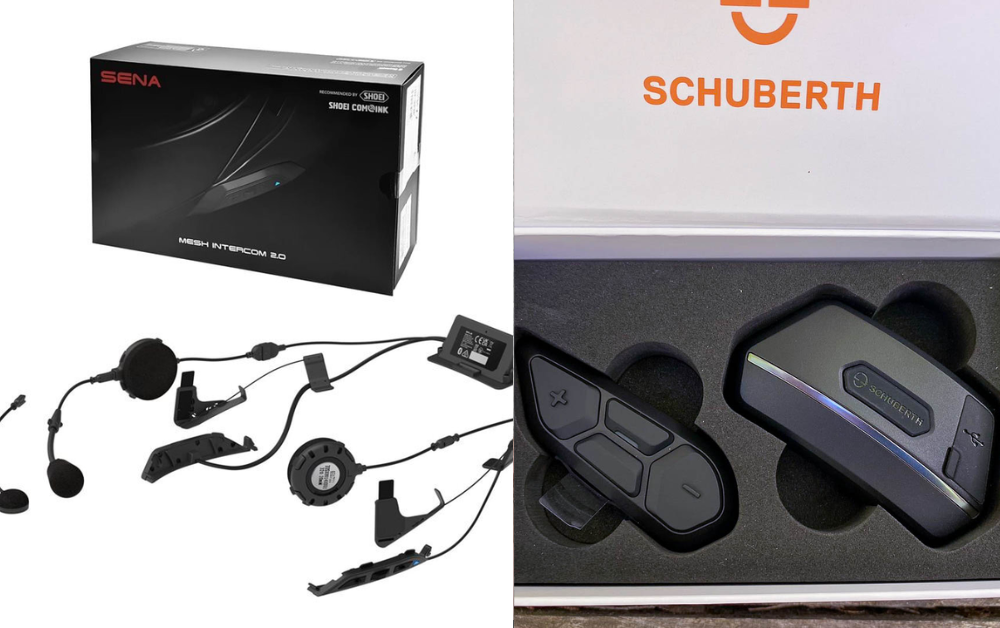
Winner: Schuberth S3 for plug-and-play ease, Shoei GT-Air 3 for Sena ecosystem riders. Both end up in the same place. The S3 gets there without any installation steps. If Sena is already your system the GT-Air 3 gives you an equally clean result with slightly more effort.
Shell Sizing and Fit
Schuberth S3: Two shell sizes cover XS through L on one shell and XL through 3XL on another. The Individual Program padding system lets you swap cheek pad thickness and adjust the rear pad profile between rounder and more oval shapes, which is how Schuberth compensates for the two-shell approach. Most helmets give you one interior. The S3 gives you options. The customization is genuinely useful but it partly exists because you may need it.
Shoei GT-Air 3: Three distinct shell sizes across the range. XS and S on a smaller shell, M and L on a mid shell, XL and XXL on the larger shell. Every size is geometrically shaped for the head it protects rather than approximating it with padding. Riders between S and M should try both in person since the shell geometry changes between those two sizes and the fit feel differs noticeably. Out of the box, across multiple rides including long expressway stretches, I felt zero cheek pressure or hot spots without any adjustment needed.
Winner: GT-Air 3. Three shells versus two is a meaningful manufacturing commitment and it shows in how consistently the helmet fits across different head sizes. If you are a size S or XL rider especially, this matters.
Comfort and Fit
Schuberth S3: The S3 fits with a firm initial snugness that settles into comfortable medium-term wear. The Individual Program padding system lets you swap cheek pad thickness between sport and comfort profiles and adjust the rear pads to shift the interior between rounder and more oval shapes. Most helmets give you one interior and ask you to accept it. The S3 gives you options you can actually use. The neck roll seals firmly for noise management but has enough stretch that getting the helmet on and off is not a daily fight.
Shoei GT-Air 3: The GT-Air 3 fits snug from the first try, tighter than some riders expect, but across multiple rides including longer expressway stretches I have not felt any cheek pressure or discomfort whatsoever. The interior padding distributes pressure across the widest possible surface area with no hot spots. Whether filtering through C5 traffic or covering distance on NLEX, the helmet stays out of your way after the first few hours of break-in.
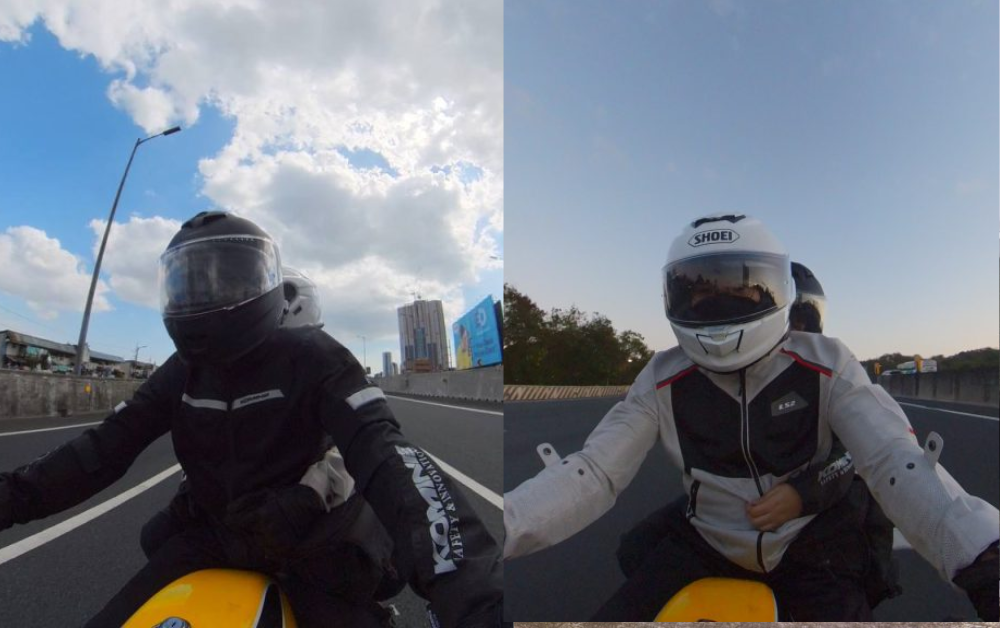
Winner: Tie. Both helmets are genuinely comfortable over long distances. The S3 gives you more customization options. The GT-Air 3 fits well out of the box without requiring adjustment. Which matters more depends on your head shape and how particular you are about fit.
Value for Money
The Schuberth S3 costs more, and the gap is significant. That premium buys you the directed airflow system, 85 dB wind tunnel engineering, Pinlock 120 pre-installed, and SC2 plug-and-play comms features most manufacturers charge extra for in special editions. You’re also paying for the AROS and SRS safety systems, genuinely absent on most competitors.
The Shoei GT-Air 3 delivers premium build quality, a thoughtfully engineered ventilation system, three shell sizes, and Sena-native integration at a lower price point. For mixed city and highway riding, it’s a compelling value, and you don’t feel like you’re missing anything except on long expressway stints, where the S3 shines.
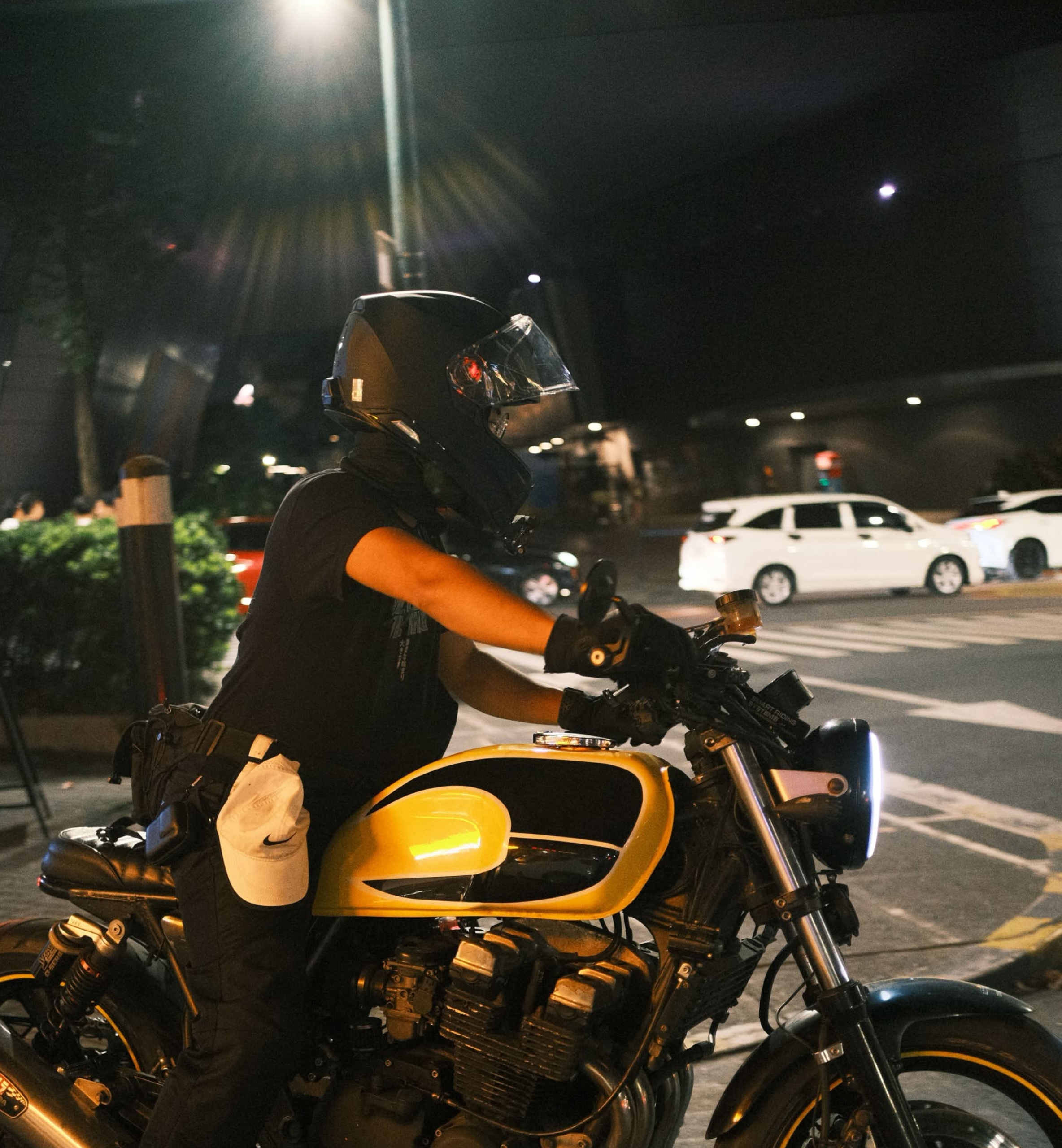
For regular multi-hour highway riding in Philippine conditions, the S3’s advantages no fogging, pre-installed comms, and balanced airflow versus quiet justify the price gap. That’s why I went with the S3.
Discover why the S3 stays whisper-quiet on the highway while still delivering strong airflow. Read the full Schuberth S3 review
The Bottom Line
The Schuberth S3 and the Shoei GT-Air 3 represent two genuinely excellent helmets at the top of the sport-touring segment, and either one is a significant upgrade over most of what is available in the market. The choice between them comes down to how you ride and what you ride for.
If long highway runs are a regular part of your week, if you have ever pulled off the expressway with your head feeling heavier than it should, and if you want a helmet that handles ventilation, noise, and comms without asking you to manage anything the Schuberth S3 is the correct answer. It costs more and it earns the premium on every long ride.
Shoei GT-Air 3
A premium touring helmet with an aerodynamic AIM+ shell, integrated internal sun visor, Pinlock-ready visor, micro ratchet buckle with stainless steel teeth, and pre-routed Sena SRL3 wiring channels. Built for all-day comfort on sport, naked, and touring bikes.
Schuberth S3
A premium sport-touring full-face helmet with a carbon-reinforced composite shell, dual-density EPS liner, Pinlock 120 pre-installed, flip-down sun visor, plug-and-play SC2 communication system with pre-installed speakers and microphone, and an Anti-Roll-Off System. Built for serious distance riders who refuse to compromise between comfort and protection.
If you split your riding between city and highway, are already in the Sena ecosystem, and want a helmet that performs well across both conditions without the S3’s price the Shoei GT-Air 3 is a fully legitimate choice that you will not regret. It is just not the helmet I reach for when I know the ride is going to be long and hot.