A helmet can ace every drop test in the book, but if the visor distorts your view of the road, none of that matters at 60 km/h. Optical quality is one of the most overlooked specs on a spec sheet — riders obsess over shell material and SHARP/ECE ratings, then grab whatever visor came in the box without checking if it’s actually optically correct. A helmet is only as good as what it lets you see through it, and that’s the entire premise of this guide.
This guide breaks down what visor optics actually mean, why it matters more in Manila traffic and provincial rain than most riders realize, and which helmets genuinely deliver a clean, distortion-free view. Every helmet mentioned here is sourced from brands actually stocked at Motoworld, MotoMarket, and other PH dealers, so this isn’t a list of imports you can’t easily buy. By the end, you’ll know exactly what to check on a shield before you hand over your money.
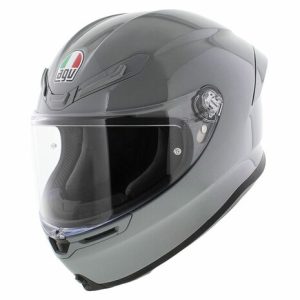
AGV K6 S
Best for hot climates, the AGV K6 S features multiple large vents, breathable liners, and sweat-wicking interiors to keep riders cool in tropical heat.
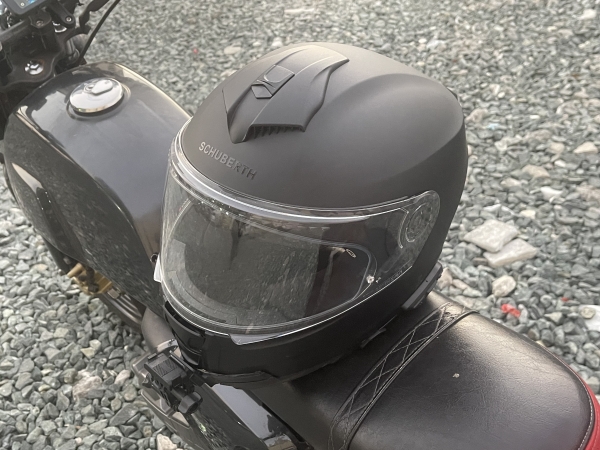
Schuberth S3
A premium sport-touring full-face helmet with a carbon-reinforced composite shell, dual-density EPS liner, Pinlock 120 pre-installed, flip-down sun visor, plug-and-play SC2 communication system with pre-installed speakers and microphone, and an Anti-Roll-Off System. Built for serious distance riders who refuse to compromise between comfort and protection.
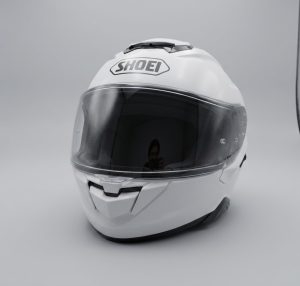
Shoei GT-Air 3
A premium touring helmet with an aerodynamic AIM+ shell, integrated internal sun visor, Pinlock-ready visor, micro ratchet buckle with stainless steel teeth, and pre-routed Sena SRL3 wiring channels. Built for all-day comfort on sport, naked, and touring bikes.
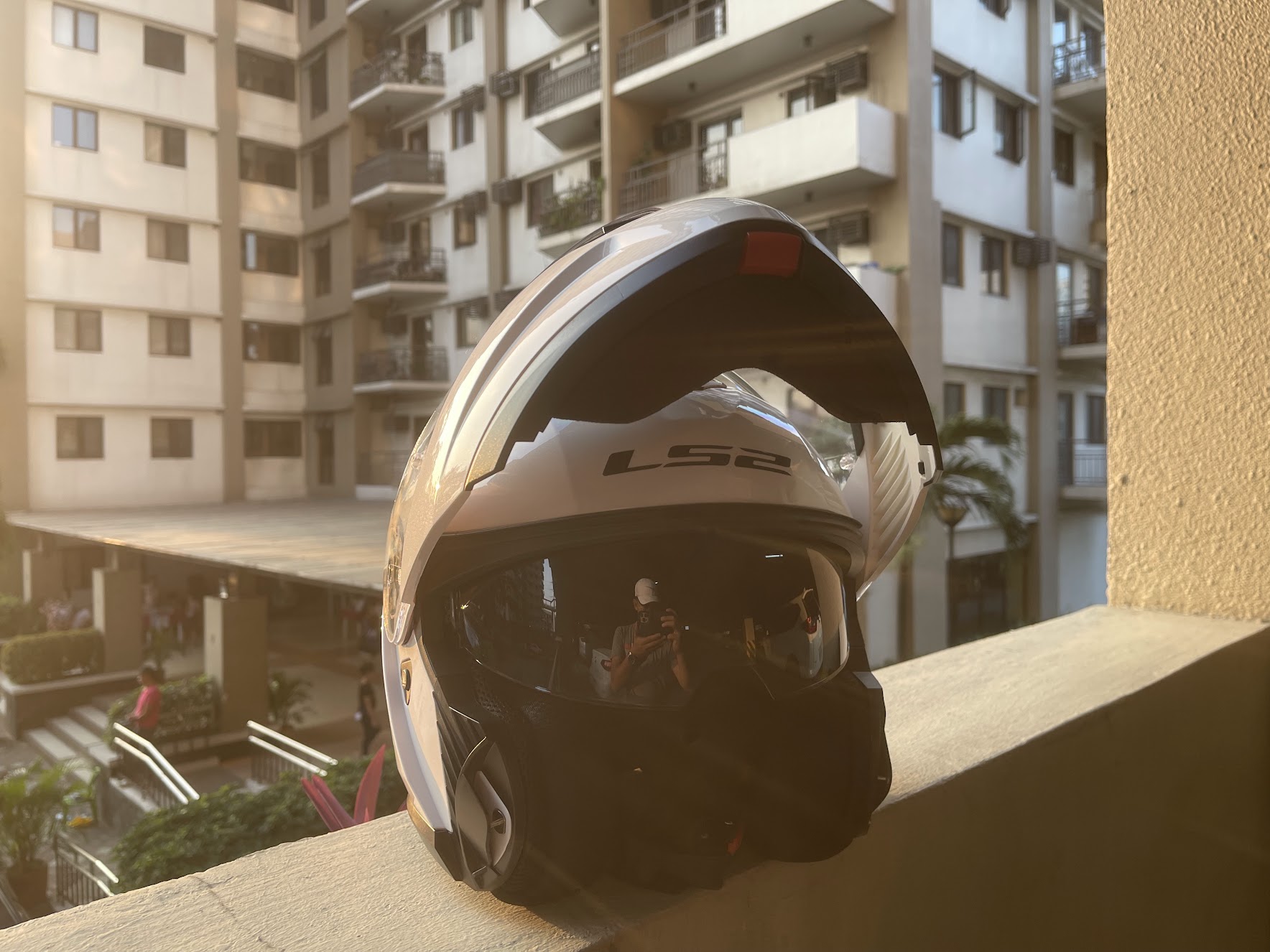
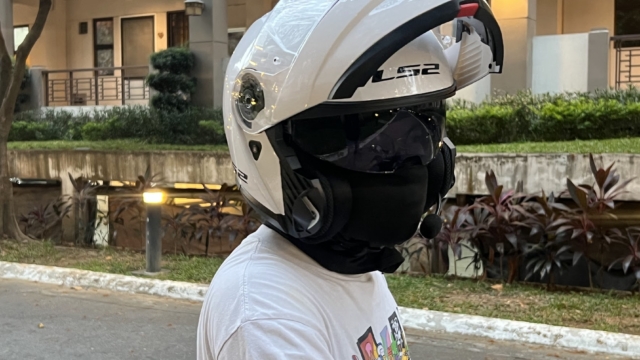
LS2 Strobe II
A modular helmet with a 90º rotating chin bar built on a Kinetic Polymer Alloy (KPA) shell with AREM rotational energy management. ECE 22.06 P/J certified — usable as both full-face and open-face. Comes with a drop-down sun visor, emergency cheek pad release, 3D laser-cut comfort pads, and a fully adjustable ventilation system.
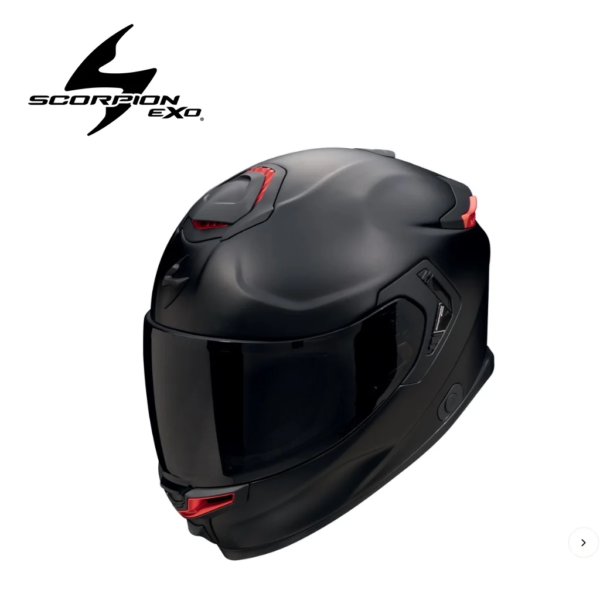
SCORPION EXO-GT SP AIR
Scorpion EXO-GT SP Air pairs an Optical Class 1 shield with a bundled Pinlock MaxVision insert and an anti-fog sun visor for sharp, fog-free views in rain.
The picks below run roughly from premium to budget, so you can jump straight to the tier that fits your wallet. Each one is judged on the same two things, genuine optical clarity and real anti-fog capability, because a visor needs both to earn a spot here. If you’re already shopping, skim the buying tips near the end first, since they work on any helmet regardless of brand.
Why a Good Visor Actually Matters
It’s easy to treat the visor as an afterthought next to shell material and safety ratings, but it directly affects how much you can see and how fast you can react. Distortion or fog, even for a second, can hide a pothole, a swerving jeepney, or a merging car right when you need to see it clearly. At speed, that half-second of lost clarity is the difference between reacting in time and not reacting at all.
Fog is the most common way a mediocre visor fails you, and it tends to happen at the worst possible moment. Without Pinlock or another anti-fog system, stopping at a light in the rain means your visor steams up right when you need to watch cross-traffic, pedestrians, and the jeepney merging beside you. A wavy or low-grade shield also forces your eyes to constantly re-focus, which tires you out faster on long rides and leaves you with slower reactions later in the trip.
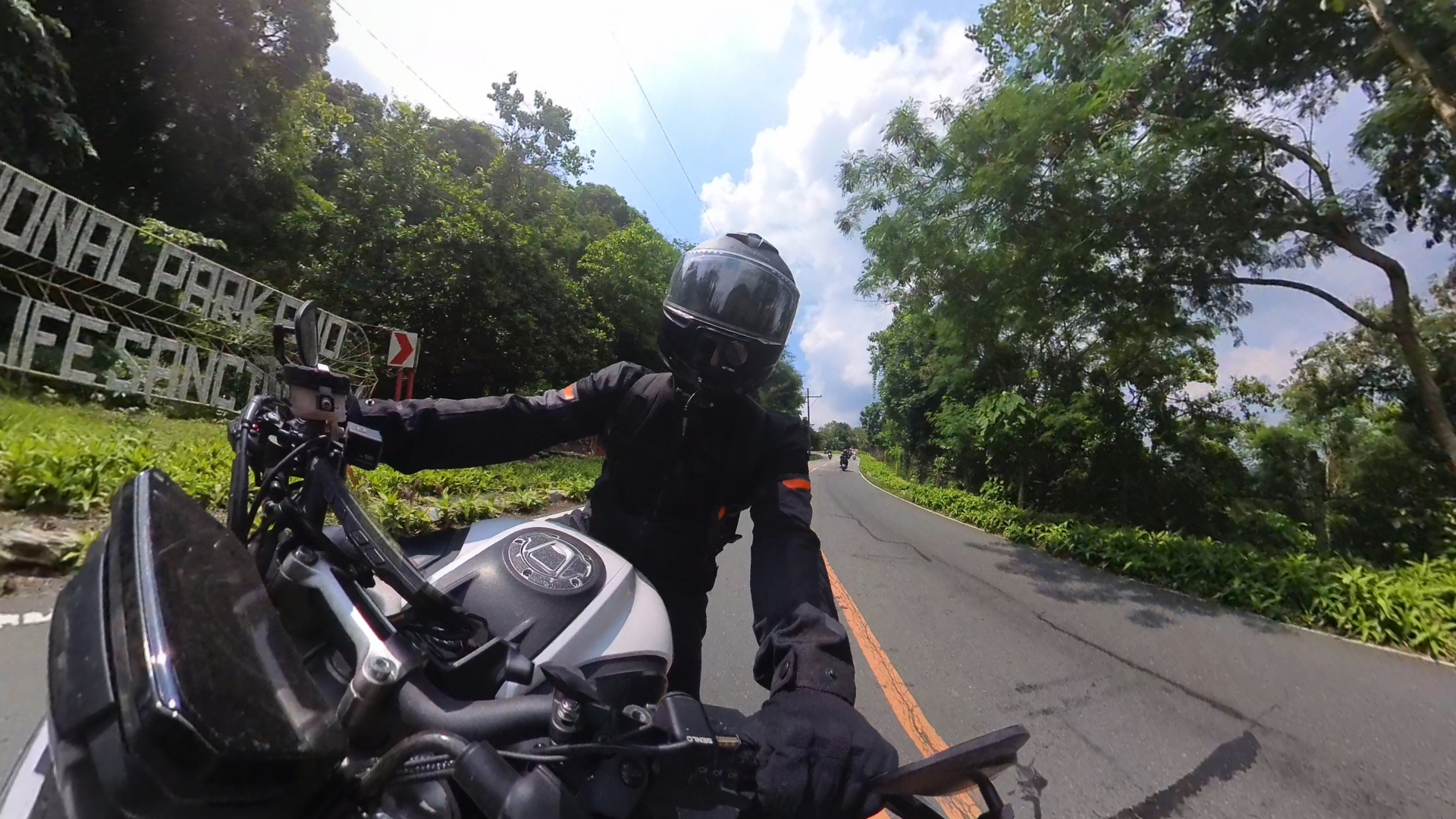
Glare handling and UV protection round out why this spec deserves more attention than it gets. A good visor, whether through proper tint, a photochromic lens, or a drop-down internal sun shield, cuts glare without sacrificing clarity, while a bad one either lets too much glare through or goes so dark you lose contrast in the shadows. Decent visors also block around 99% of UV, which adds up over years of daily riding exposure, and it’s worth remembering that shell strength and padding only protect you after something goes wrong — the visor is what helps you see well enough to avoid the crash in the first place.
What “Optical Class” Actually Means
Every visor sold with a certified helmet is graded under ECE 22.05/22.06 or ANSI Z87.1 standards into an optical class, usually stamped directly on the inside edge of the shield. Class 1 means no measurable distortion and is rated safe for continuous riding use, delivering the sharpest edge-to-edge clarity of the three grades. Class 2 carries minor distortion and is typically fine for daytime use only, while Class 3 has noticeable distortion and is meant for occasional or emergency use rather than everyday riding.
Cheap or aftermarket visors sometimes skip this rating entirely, and that omission is usually the reason a budget helmet’s shield looks noticeably “wavy” toward the edges. This is most obvious at highway speed, when your eyes are constantly scanning side mirrors instead of staring straight ahead through the clearest part of the lens. A shield that looks fine when you’re standing still in a shop can behave very differently once you’re doing 80 km/h with your peripheral vision doing most of the work.
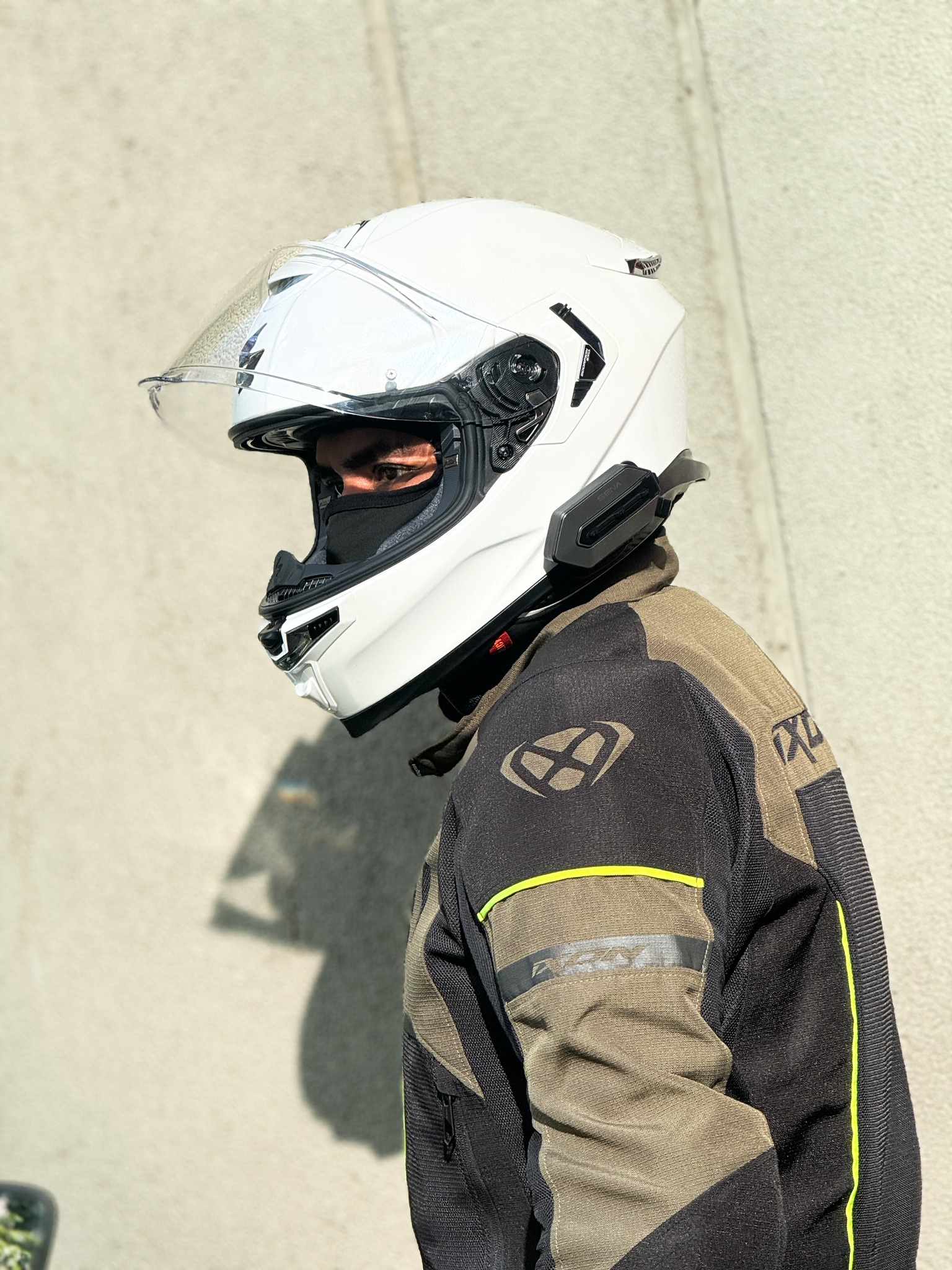
Checking for this rating takes seconds but saves you from a visor that quietly undermines your riding for years. Manufacturers that care about optics print the class rating clearly, while those cutting corners tend to leave it off the shield altogether. If you can’t find a Class 1 stamp anywhere on a visor you’re considering, treat that as a red flag rather than an oversight.
Why It Matters More in the Philippines
Two local realities make visor optics a bigger deal here than in a lot of other riding markets. Rain and humidity dominate a huge share of PH riding conditions, which means anti-fog performance through a Pinlock-ready visor isn’t optional gear — it’s daily-use equipment for anyone commuting through Metro Manila or the provinces. Riders who skip this feature end up wiping their visor with a gloved hand at every stoplight, which scratches the shield and degrades its optical clarity even further over time.
Harsh midday sun and reflective concrete on EDSA and provincial highways add a second layer to the problem. Internal drop-down sun visors and good anti-scratch coatings get used constantly here, not occasionally like they might in a more temperate riding market. Between rain-triggered fogging in the morning commute and glare-triggered squinting by midday, a PH rider’s visor is doing far more work in a single day than most spec sheets account for.
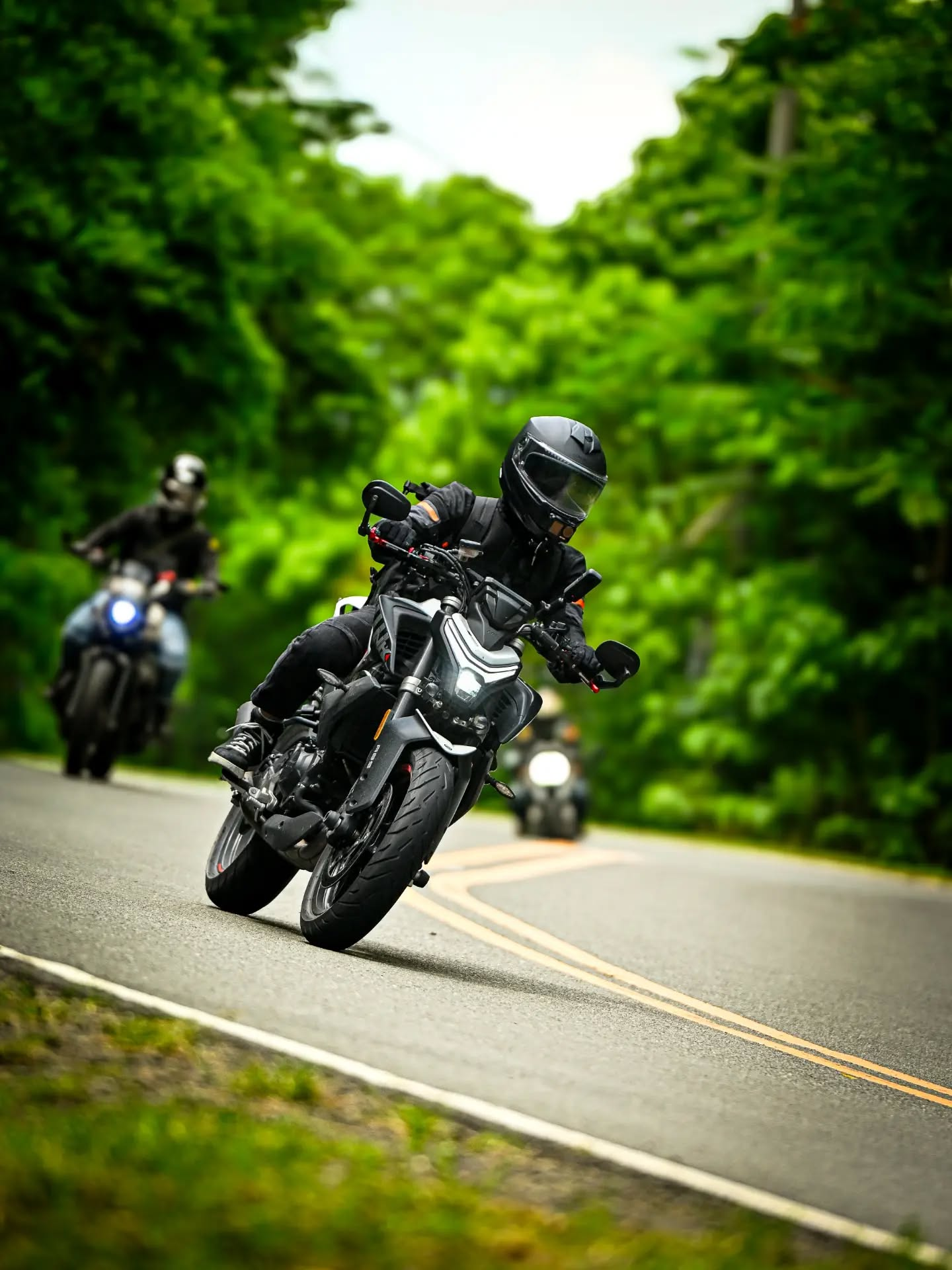
A helmet with a great optical-class visor but no Pinlock prep, or one that fogs up the moment you hit a stoplight in the rain, isn’t actually solving the real-world problem riders here face. The two specs need to work together, not exist as separate checkboxes. That’s the standard this list is built around, rather than just chasing the highest optical class number in isolation.
The Best Helmets for Visor Optical Clarity
1. Shoei GT-Air 3 / Glamster — Reference-Level Clarity
The GT-Air 3 is Shoei’s current touring-oriented flagship, running the CNS-1C shield with ECE 22.06 certification and a minimum 85% light transmission rating. It’s Pinlock EVO-ready via the DKS301 lens, and it’s consistently regarded as one of the clearest, least-distorted shields in the entire category. For riders who spend hours on the highway, this level of consistency matters more than almost any other spec on the helmet.
The Glamster, Shoei’s retro full-face model, shares the same CNS-1 optical lineage, so you’re not sacrificing clarity for the classic styling. Both helmets carry Shoei’s reputation for meticulous shield tooling, which is part of why the brand commands a premium price in the Philippine market. That price is the real trade-off here, not optical performance.
Shoei GT-Air 3
A premium touring helmet with an aerodynamic AIM+ shell, integrated internal sun visor, Pinlock-ready visor, micro ratchet buckle with stainless steel teeth, and pre-routed Sena SRL3 wiring channels. Built for all-day comfort on sport, naked, and touring bikes.
Available through Motoworld’s Shoei lineup, pricing typically starts north of ₱24,000 before any add-ons. That puts it well outside entry-level territory, but for riders who treat visor clarity as the deciding factor above all else, it’s the benchmark the rest of this list gets measured against. If your budget stretches this far, it’s difficult to find a shield that clearly beats it.
2. AGV K6S — Race-Bred Optics at a Mid-Premium Price
AGV builds its shields using much of the same optical tooling as its race-homologated Pista and Corsa line, and that heritage shows up directly in the K6S. The result is a genuinely flat, distortion-free field of view that holds up at speed, paired with an integrated drop-down sun visor for glare control. It’s a helmet built by a brand whose top-tier optics are tested on a race track, then filtered down into a more attainable model.
Pinlock Max Vision prep comes standard, which matters given how often PH riders deal with sudden rain. The combination of race-bred shield clarity and proper anti-fog compatibility is what separates the K6S from other helmets in its price bracket. Riders coming from a budget helmet often describe the jump in clarity as immediately noticeable, not something you have to squint to appreciate.
AGV K6 S
Best for hot climates, the AGV K6 S features multiple large vents, breathable liners, and sweat-wicking interiors to keep riders cool in tropical heat.
It sits in a mid-premium spot in the market, above entry-level LS2 or Nolan options but below Shoei and Schuberth’s flagship pricing. That makes it a strong pick for riders who want track-level optical quality without paying full track-level prices. For sport and sport-touring riders specifically, it’s one of the more compelling options on this list.
3. Schuberth C5 / S3 — Best Anti-Fog and Optics Combo
Schuberth’s DirectVent shield is engineered specifically around anti-fog airflow channeling in addition to meeting Class 1 optical clarity standards. That dual focus makes it one of the best-performing options in genuinely wet, humid conditions, which is exactly the kind of riding environment the Philippines produces most days of the year. It’s a helmet designed by a brand with a long history in law enforcement and touring markets, where fog and rain performance can’t be an afterthought.
The C5 modular and S3 full-face both carry this shield as standard equipment rather than as an upgrade option. That consistency across the lineup means you’re not choosing between styling and optical performance the way you might with other brands. Riders doing long highway runs during rainy season tend to notice the difference most, since that’s when weaker anti-fog systems fail hardest.
Schuberth S3
A premium sport-touring full-face helmet with a carbon-reinforced composite shell, dual-density EPS liner, Pinlock 120 pre-installed, flip-down sun visor, plug-and-play SC2 communication system with pre-installed speakers and microphone, and an Anti-Roll-Off System. Built for serious distance riders who refuse to compromise between comfort and protection.
Schuberth sits in a similar premium bracket to Shoei, so this isn’t a budget recommendation by any measure. What you’re paying for is a shield that treats fog prevention as a core engineering problem rather than a Pinlock insert bolted on as an afterthought. For riders who do serious highway mileage in wet conditions, that engineering focus can be worth the premium.
4. Scorpion EXO-GT SP Air — Premium Class 1 Optics at a Sharper Price
The EXO-GT SP Air sits at the top of Scorpion’s APEX series, built from a carbon and fiberglass shell mix and certified to ECE 22.06. Its APEX shield is rated Optical Class 1, with varying thickness across the lens designed to sharpen visual accuracy, cut glare, and prevent distortion. That puts it in the same optical conversation as helmets that cost noticeably more.
Anti-fog is covered out of the box, since the shield is Pinlock MaxVision 3D ready and a Pinlock 120XLT MaxVision insert comes in the package. The internal sun visor also carries an anti-fog coating, which matters when you drop it down in humid Manila traffic. The Ellip-Tec II ratchet lets you swap visors in seconds without tools, so changing from a clear shield for the rain to a tinted one for midday sun takes no effort.
SCORPION EXO-GT SP AIR
Scorpion EXO-GT SP Air pairs an Optical Class 1 shield with a bundled Pinlock MaxVision insert and an anti-fog sun visor for sharp, fog-free views in rain.
Motoworld Philippines has listed it at ₱16,780, marked down from ₱23,990, which sits well below the Shoei pricing above. Some sizes have shown as backordered, so check stock before you plan around it. For riders who want genuine premium optics and a bundled Pinlock without paying flagship money, this is a strong pick.
5. LS2 FF800 Storm / FF908 Strobe II — Best Budget Pick With Real Pinlock Prep
For entry-to-mid-level riders, LS2 is the standout brand in the true budget category. Genuinely Pinlock-ready shields, reasonable optical clarity for the price point, and wide availability at Motoworld, MotoMarket, and MotoStyle branches nationwide make it an easy recommendation for first-time helmet buyers. LS2 has built its Philippine reputation specifically around offering safety and optical quality that outperforms its price tag.
The FF800 Storm and FF908 Strobe II are two of the most commonly recommended models in this bracket. Both are common upgrade paths for riders moving away from a stock or bundled helmet visor that fogs constantly and distorts noticeably at the edges. The jump in daily usability, especially during rainy season commutes, tends to be the first thing new owners mention.
LS2 Strobe II
A modular helmet with a 90º rotating chin bar built on a Kinetic Polymer Alloy (KPA) shell with AREM rotational energy management. ECE 22.06 P/J certified — usable as both full-face and open-face. Comes with a drop-down sun visor, emergency cheek pad release, 3D laser-cut comfort pads, and a fully adjustable ventilation system.
LS2’s exclusive distribution through Mworld Trading means stock and pricing stay relatively consistent across branches nationwide. That consistency matters for riders outside Metro Manila who don’t always have access to the same selection as EDSA-area stores. For a first “real” helmet upgrade, this is where most PH riders should start looking.
Buying Tips: How to Check Visor Optics Yourself
Start by looking for the Class 1 stamp printed on the visor’s lower edge, since legitimate helmets from reputable brands print this rating directly on the shield. If you can’t find it anywhere on the visor, that’s usually a sign the manufacturer either skipped the certification or is hoping you won’t check. This single five-second inspection tells you more about real-world visor quality than almost any marketing claim on the box.
A simple physical test can confirm what the stamp claims. Hold the visor at arm’s length and look through it at a straight line, like a door frame, while slowly moving the shield across your field of view. Genuine ripples or wobble in that line as you move the visor indicate poor optical quality, regardless of what the packaging says.
Don’t stop at the class rating alone, though — ask specifically about Pinlock prep rather than accepting a vague “may be compatible” answer from a salesperson. Some shields require an aftermarket drilling kit to accept a Pinlock insert, which isn’t an ideal long-term solution and can compromise the shield’s structural integrity. It’s also worth remembering that tint doesn’t indicate optical grade one way or the other, since a smoke or iridium visor can still carry a full Class 1 rating.
Bottom Line
If visor clarity is the deciding factor in your next helmet purchase, Shoei and AGV sit at the top for outright optical quality, with Schuberth right alongside them for anti-fog performance specifically in PH rain conditions. Nolan offers the strongest value proposition for riders who want genuine Class 1 clarity without premium pricing, while LS2 remains the best true budget option that doesn’t cut corners on Pinlock compatibility. Whichever tier fits your budget, prioritizing visor quality over shell graphics or brand name alone will make a bigger difference to your actual riding experience.
AGV K6 S
Best for hot climates, the AGV K6 S features multiple large vents, breathable liners, and sweat-wicking interiors to keep riders cool in tropical heat.
Schuberth S3
A premium sport-touring full-face helmet with a carbon-reinforced composite shell, dual-density EPS liner, Pinlock 120 pre-installed, flip-down sun visor, plug-and-play SC2 communication system with pre-installed speakers and microphone, and an Anti-Roll-Off System. Built for serious distance riders who refuse to compromise between comfort and protection.
Shoei GT-Air 3
A premium touring helmet with an aerodynamic AIM+ shell, integrated internal sun visor, Pinlock-ready visor, micro ratchet buckle with stainless steel teeth, and pre-routed Sena SRL3 wiring channels. Built for all-day comfort on sport, naked, and touring bikes.
LS2 Strobe II
A modular helmet with a 90º rotating chin bar built on a Kinetic Polymer Alloy (KPA) shell with AREM rotational energy management. ECE 22.06 P/J certified — usable as both full-face and open-face. Comes with a drop-down sun visor, emergency cheek pad release, 3D laser-cut comfort pads, and a fully adjustable ventilation system.
SCORPION EXO-GT SP AIR
Scorpion EXO-GT SP Air pairs an Optical Class 1 shield with a bundled Pinlock MaxVision insert and an anti-fog sun visor for sharp, fog-free views in rain.
Whatever your budget, don’t skip checking for the Class 1 stamp before you buy — it’s a five-second check that matters every single time you ride in the rain or against low sun. A helmet’s shell protects you if something goes wrong, but the visor is what helps you see well enough to prevent that from happening in the first place. That distinction is worth remembering the next time you’re comparing two helmets that look similar on paper but feel completely different once you’re actually wearing one on the road.
Availability and pricing based on Motoworld Philippines and MotoMarket stock; confirm current pricing and stock before purchase as these change frequently.