Full-face helmets have long been dominated by premium European brands charging premium prices, often leaving riders of classic bikes, sport bikes, and budget-conscious enthusiasts with limited options that balance quality, performance, and affordability. These expensive helmets promise cutting-edge technology and race-proven pedigree, but for most riders who aren’t competing at MotoGP level, the question becomes: do you really need to spend $800+ to get excellent protection and comfort?
Enter the HJC RPHA 11 Carbon, which I tested extensively on my 1990 Yamaha XJR 400. As HJC’s flagship helmet, the RPHA 11 Carbon represents the pinnacle of their engineering capabilities, delivering exceptional core performance through genuine carbon fiber construction, excellent ventilation, solid safety ratings, and comfortable fit, without the artificial premium pricing that comes from European brand prestige. This helmet stands out for its focus on what actually matters during daily riding.
HJC RPHA 11 Carbon
The HJC RPHA 11 is best for sport and high-speed riding, designed with an aerodynamic shell, aggressive ventilation, and a tight race-fit that stays stable even at highway or track speeds. It’s ideal for riders who use sportbikes, enjoy spirited riding, or want a lightweight helmet with premium performance features.
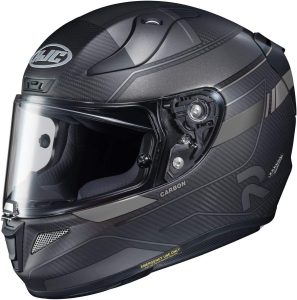
What makes the RPHA 11 Carbon especially appealing is its balance of flagship features and practical pricing. HJC’s decades of manufacturing expertise and their position as one of the world’s largest helmet manufacturers allows them to deliver premium-level carbon fiber helmets at accessible prices while preserving everything riders truly need.
Curious how helmet communication systems pair with premium lids like this? See our review of the RESO PILOT PRO premium intercom to explore comms gear that fits well with helmets like the RPHA 11 Carbon.
Understanding Your Helmet Needs
Before diving into technical specifications, it’s important to ask: what do you really need from a motorcycle helmet? If you’re riding a classic bike like my XJR 400, a naked sportbike, or any street-focused machine, your requirements are very different from someone racing at track days every weekend or competing in professional motorsports. For most riders, the essentials are straightforward: reliable protection, comfortable fit that doesn’t cause pressure points during long rides, adequate ventilation for hot days, good visibility, and a weight that won’t strain your neck after hours in the saddle.
The RPHA 11 Carbon understands this reality and focuses on delivering those essential functions with exceptional execution and build quality. As HJC’s flagship helmet, it represents the pinnacle of their engineering capabilities without the artificial premium pricing that comes from European brand prestige. The carbon fiber construction isn’t just for show, it delivers genuine performance benefits through reduced weight and enhanced impact protection.

Instead of cramming in marginally useful features to justify an extremely high price tag, the RPHA 11 Carbon delivers core functionality with precision and reliability. This flagship helmet proves that carbon fiber technology doesn’t have to cost $1,000+ to be effective, and that value-focused engineering can still produce premium results that rival helmets costing twice as much.
Lightweight Construction: Immediately Noticeable Difference
The first thing I noticed when I picked up the HJC RPHA 11 Carbon was how remarkably light it felt. At just 1,265 grams, this is genuinely one of the lightest helmets I’ve ever worn, and I’ve tested everything from budget options to premium European brands on my XJR 400. This isn’t just a marginal difference you might notice if you were comparing spec sheets. When you pick up the RPHA 11 Carbon after using a heavier helmet, the weight reduction is immediately apparent.
Compared to my old helmets, which typically weighed closer to 1,600-1,800 grams, the RPHA 11 Carbon feels almost shockingly light. The full carbon fiber shell construction is what makes this possible, delivering strength and impact protection while cutting weight significantly compared to fiberglass composite shells. This is the same material used in professional racing helmets, but HJC’s manufacturing scale and efficiency makes it accessible at a fraction of the typical carbon helmet price.
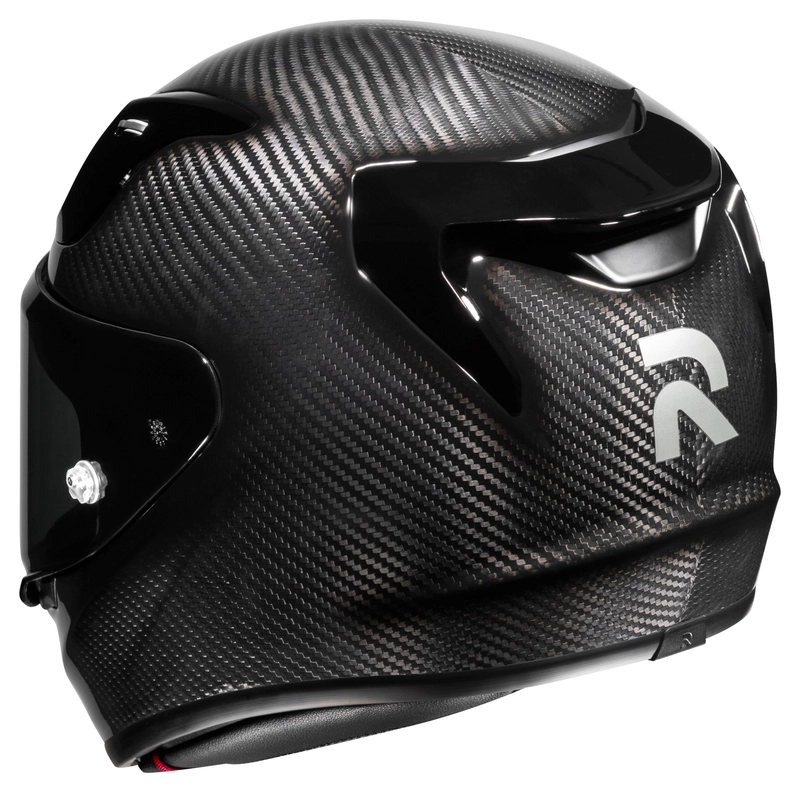
During my rides on the XJR 400, this lightweight construction translates to genuine comfort benefits. Even after several hours of riding, whether cruising on the highway or navigating twisty mountain roads, I experienced noticeably less neck fatigue compared to heavier helmets. This matters especially on a naked bike like the XJR where you’re not tucked behind a fairing and wind resistance creates more strain on your neck and shoulders.
Carbon Fiber Shell: Premium Construction Without Premium Pricing
The secret behind the RPHA 11 Carbon’s lightweight construction is its full carbon fiber shell. Unlike the standard RPHA 11’s P.I.M. Plus composite construction, the Carbon version uses genuine carbon fiber throughout the entire shell structure. This isn’t a carbon fiber overlay on a fiberglass shell, it’s full carbon construction that delivers maximum weight savings and impact protection.
What’s impressive is that HJC achieves this carbon fiber construction without the typical premium pricing. While other manufacturers charge $800-1,200 for carbon fiber helmets, HJC’s flagship RPHA 11 Carbon retails for $499-629 USD (₱26,000-₱33,890 PHP). This pricing is possible because HJC is one of the world’s largest helmet manufacturers, giving them economies of scale that smaller premium brands simply cannot match.
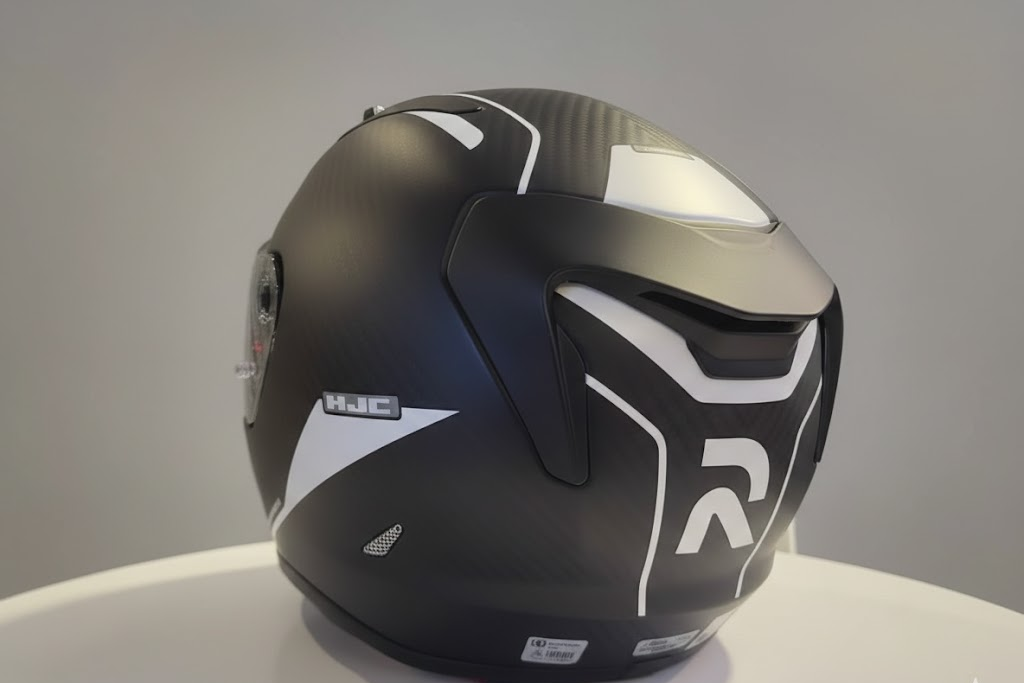
The helmet meets both DOT FMVSS 218 and ECE 22.05 safety standards, providing assurance of baseline protection capabilities. The carbon fiber construction actually provides enhanced shock-resistant performance compared to traditional fiberglass shells, as the material’s strength-to-weight ratio allows it to absorb and distribute impact forces more effectively while maintaining structural integrity.
Aerodynamics and Wind Noise: Surprisingly Quiet Performance
One of the most pleasant surprises with the RPHA 11 Carbon was its wind noise performance. I expected a sport-focused flagship helmet with a carbon shell to prioritize aerodynamics over noise isolation, that’s typically the trade-off when manufacturers focus on high-speed stability. But on my XJR 400, I don’t hear or feel excessive wind noise even at highway speeds, which is particularly impressive considering the carbon shell’s lighter, more rigid construction.
This is particularly remarkable considering the XJR 400’s upright riding position and complete lack of windscreen. On a naked bike, your helmet takes the full brunt of wind force, making aerodynamic design crucial. The RPHA 11 Carbon handles this admirably, with HJC’s wind tunnel testing clearly paying dividends in riding conditions. The shell shape creates clean airflow that doesn’t generate the whistling or buffeting common in poorly designed helmets.
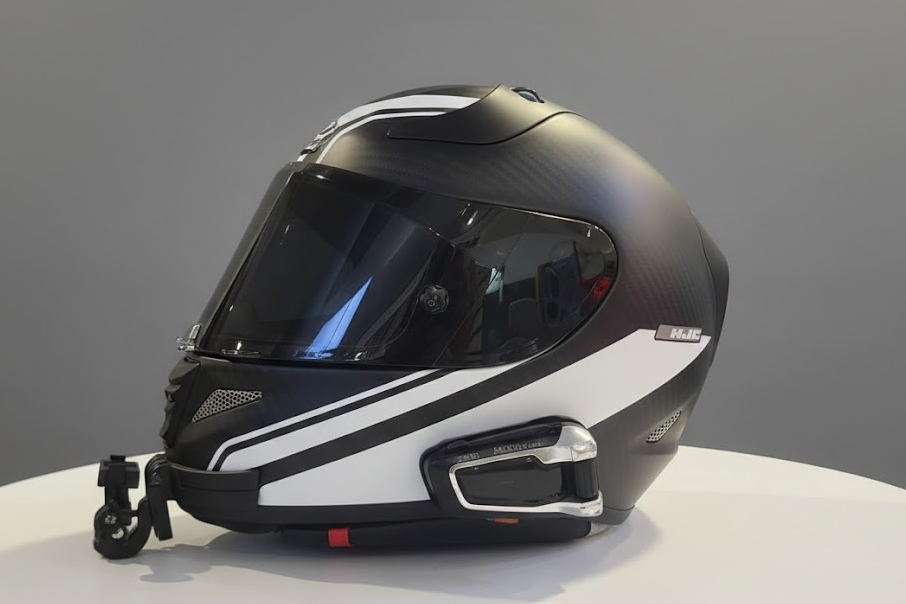
HJC is one of the few helmet manufacturers with an advanced in-house wind tunnel laboratory, and it shows in the RPHA 11 Carbon’s design. The shell shape isn’t just styled to look aggressive, it’s actually engineered for aerodynamic efficiency through computer simulation and physical testing. The rear spoiler actively channels airflow to reduce turbulence and improve high-speed stability, while the visor seal design creates an effective seal that minimizes wind intrusion without requiring excessive pressure that would cause discomfort.
Fit and Comfort: The Break-In Reality
I need to be honest about the RPHA 11 Carbon’s initial fit: when brand new, this helmet presses firmly against my cheeks. It’s snug, perhaps more snug than some riders expect or prefer straight out of the box. This is not a helmet you’ll find immediately comfortable if you’re used to looser-fitting designs, and the initial tightness can feel almost restrictive during your first few rides.
However, this snug fit is intentional and actually beneficial for safety. A helmet that fits too loosely can shift during impact, reducing protection effectiveness and potentially causing injury. HJC designs the RPHA 11 Carbon with the understanding that the cheek pads will compress and conform to your face shape over time, this is normal for premium helmets and ensures optimal protection once the break-in period is complete.
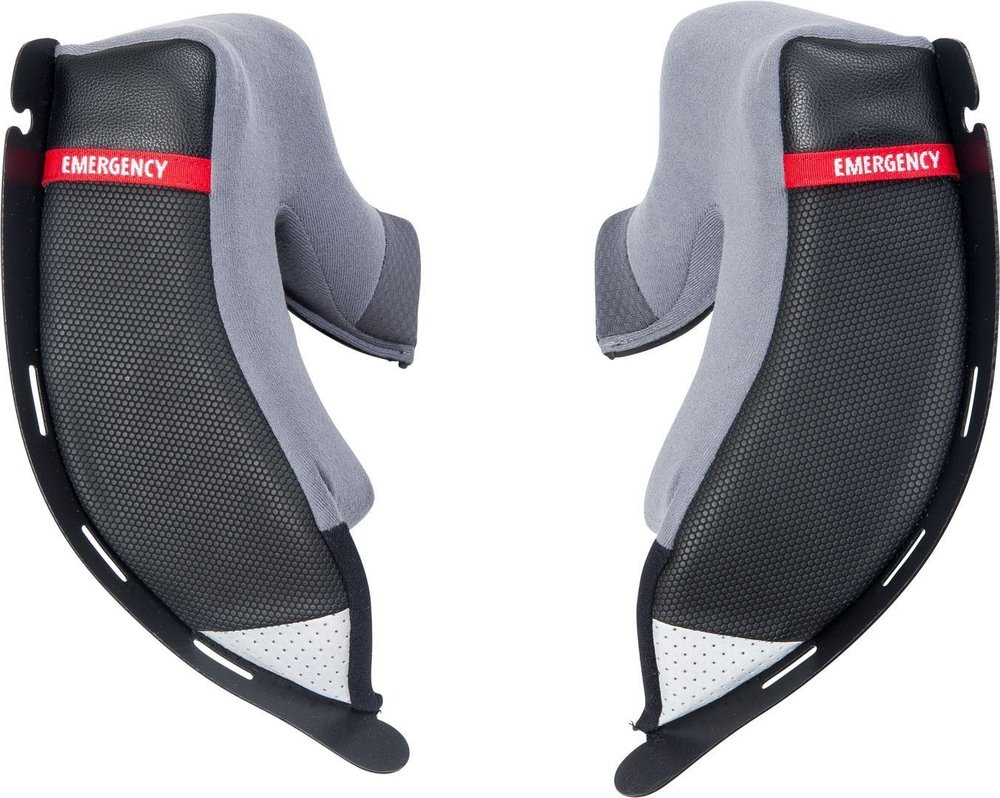
After about two weeks of regular riding on my XJR 400, wearing the helmet for both short commutes and longer weekend rides, the padding adjusted noticeably. The cheek pads began conforming to my face shape, and what initially felt overly snug became comfortably secure. This break-in process requires some patience, but it’s worth it for the custom-like fit you get once the pads have properly molded to your face contours.
Advanced Padding System
The RPHA 11 Carbon uses Multicool Advanced Polygiene fabric for its liner and cheek pads. This isn’t just marketing speak, the material genuinely provides superior moisture-wicking and quick-drying capabilities compared to standard helmet liners. On hot days riding the XJR through stop-and-go traffic, I noticed the liner managing sweat effectively without becoming saturated and uncomfortable, which is crucial for maintaining comfort during long rides in tropical climates.
The anti-bacterial properties of the Polygiene fabric also help manage odor, which becomes increasingly important the more you ride. Unlike some helmets where the liner starts developing an unpleasant smell after a few weeks of use, the RPHA 11 Carbon’s interior stays remarkably fresh. This technology actively prevents bacterial growth that causes odors, rather than just masking smells with fragrances that fade over time.
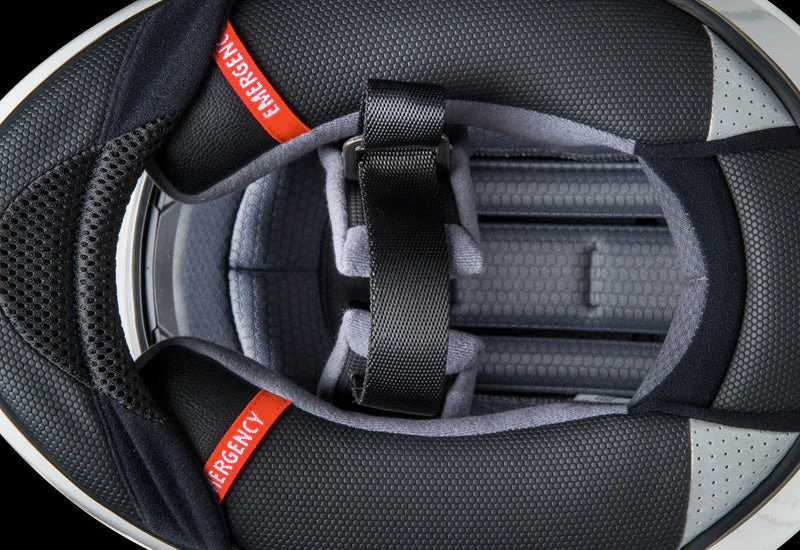
The liner and cheek pads are fully removable and washable, a feature that should be standard on all flagship helmets but sometimes isn’t. After particularly sweaty rides or dusty adventures, I can remove the components and hand wash them, which significantly extends the helmet’s lifespan and maintains hygiene. HJC also includes glasses grooves at the temples, accommodating eyewear frames without creating pressure points, a thoughtful design detail often overlooked in helmet design.
Ventilation System: Exceptional Airflow Performance
The RPHA 11 Carbon’s ventilation system is genuinely outstanding. I can feel how effectively air flows through the helmet, moving across my head and out the exhaust vents in a way that creates actual circulation rather than just letting hot air accumulate. Even on hot days riding through urban traffic on the XJR 400, I never feel suffocated or overheated, something I absolutely cannot say about many other helmets I’ve tested, including some that cost significantly more.
This exceptional ventilation comes from HJC’s Advanced Channeling Ventilation System (ACS), which represents genuine engineering rather than just adding more vent holes. The system was developed using insights from HJC’s MotoGP helmet design experience, where managing heat during intense racing conditions is crucial for rider performance. The internal channeling directs airflow through specific paths designed to maximize cooling efficiency while maintaining the structural integrity of the carbon shell.
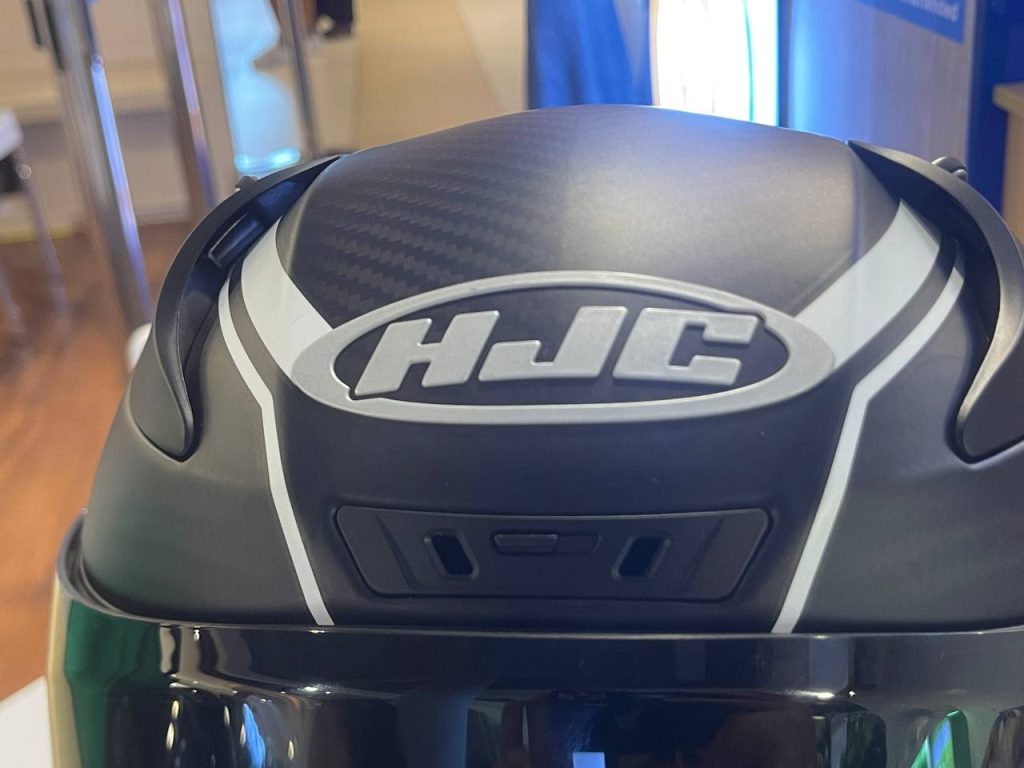
The RPHA 11 Carbon features multiple ventilation zones working together as an integrated system: three chin vents controlled by an internal slider, two forehead vents for supplementary intake, and two top vents with six-stage variable control via glove-friendly dials. The exhaust vents include multiple exit points under the rear spoiler and perforated metal vents on the sides, creating genuine front-to-back airflow that actually removes hot air rather than just moving it around inside the helmet.
Ventilation Performance
During my testing on the XJR 400, I rode the RPHA 11 Carbon in various conditions, from cool morning rides where temperatures were around 25°C , to hot afternoons with temperatures pushing 35°C (95°F). The ventilation system handled all these conditions admirably, demonstrating the versatility that makes this helmet suitable for year-round riding in varied climates. The ability to fine-tune airflow across six stages on the top vents alone provides genuine control over your comfort level.
On hot days, opening all vents creates noticeable airflow that helps manage heat buildup effectively. The sensation of air moving across my scalp and face is distinctive and pleasant, very different from helmets with poor ventilation where you just feel hot air trapped inside creating a sauna-like environment. The airflow is strong enough that I can actually feel it at speeds as low as 30-40 km/h, which helps during slow-moving traffic situations.
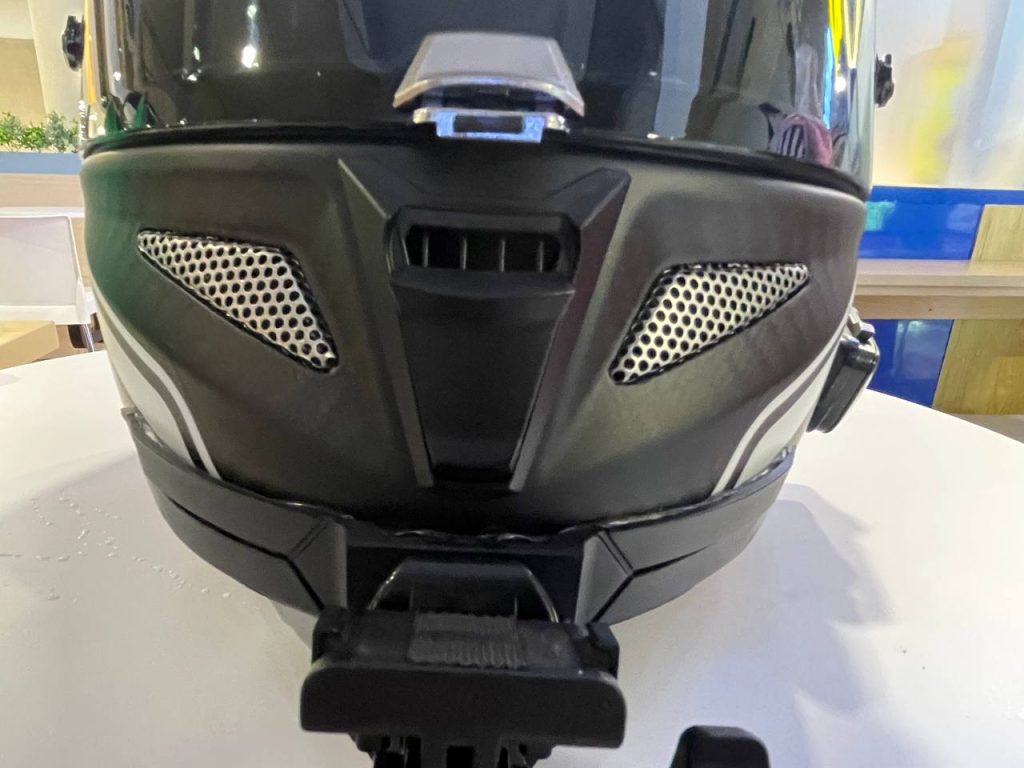
In cooler conditions, I can close the chin vents and reduce the top vent openings to minimize cold air intrusion while still maintaining enough airflow to prevent fogging. This versatility means the RPHA 11 Carbon works well across different seasons and riding conditions, making it a true year-round helmet rather than one optimized only for summer or winter use.
Safety Features and Certifications
The RPHA 11 Carbon meets DOT FMVSS 218 and ECE 22.05 safety standards, providing assurance of baseline protection capabilities. It also carries ACU Gold approval, certifying it for racing use in the UK, a testament to its suitability for high-speed, high-performance riding scenarios. For most riders in the United States, the DOT certification is what matters for legal road use, while ECE certification is generally regarded as more stringent in its testing protocols.
It’s worth noting that the RPHA 11 achieved a 3-star rating (out of 5) in SHARP testing, the UK government’s helmet safety rating scheme. This score isn’t outstanding compared to some helmets that achieve 4 or 5 stars, and it represents a step back from earlier HJC models that scored better. However, I want to provide perspective on this rating: SHARP testing evaluates impact protection across multiple impact points and angles, providing valuable data about helmet performance in various crash scenarios.

A 3-star rating still indicates good protection, it’s not a failing grade by any means. Additionally, proper fit matters more than test scores, even a 5-star helmet provides poor protection if it doesn’t fit your head correctly. The carbon fiber shell’s inherent strength and impact absorption characteristics provide excellent protection when the helmet fits properly, and the RPHA 11 Carbon’s snug fit ensures it stays in place during an impact rather than shifting or rotating.
Emergency Quick-Release System
One of the most important safety features rarely needed but crucial when required is the Emergency Quick-Release System (EQRS). The RPHA 11 Carbon includes red pull tabs at the bottom of the helmet that allow emergency responders to quickly remove the cheek pads, making helmet removal after an accident much safer and easier. This system can literally be lifesaving in serious crash scenarios where every second counts.
In a crash scenario where a rider may have neck or spinal injuries, removing a traditional helmet can be extremely risky. The tight fit that provides good protection during normal riding becomes a liability during rescue. The EQRS addresses this by allowing cheek pad removal without manipulating the rider’s head and neck, reducing the risk of exacerbating spinal injuries during emergency helmet removal.
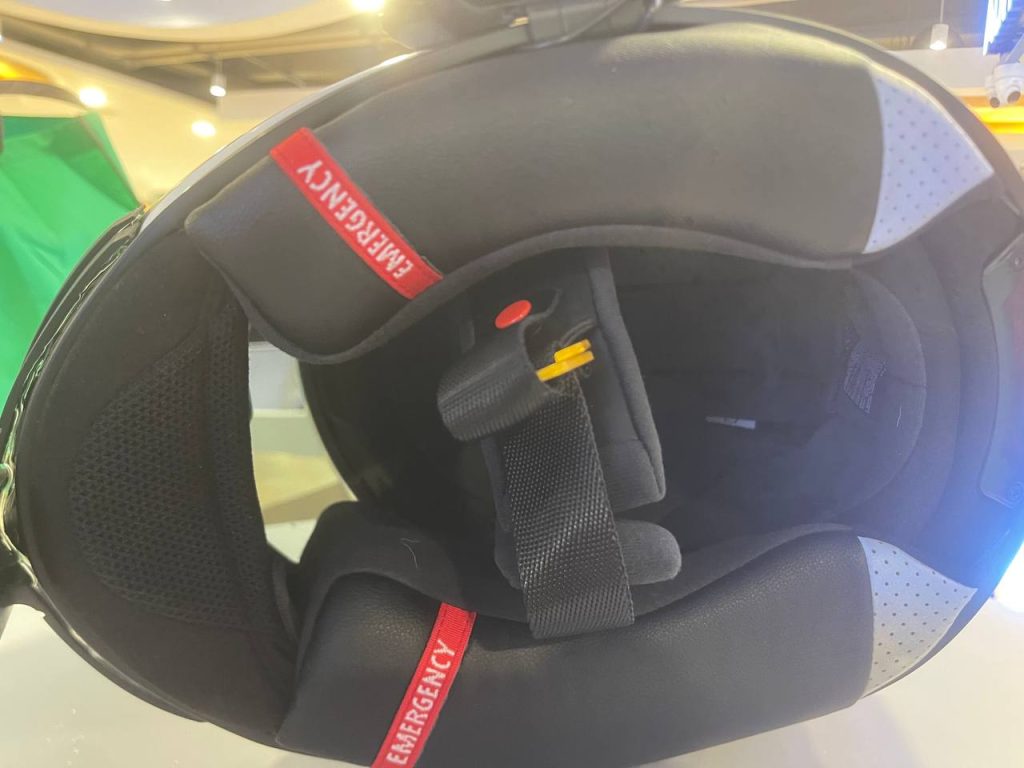
This feature is becoming increasingly common on quality helmets, and I’m glad to see HJC including it as standard equipment on their flagship RPHA 11 Carbon. It represents the kind of thoughtful engineering that demonstrates a manufacturer’s genuine commitment to rider safety beyond just meeting minimum certification requirements. The fact that this feature is included at this price point, when some premium brands charge extra for it, shows HJC’s priorities.
Visibility and Visor System
The RPHA 11 Carbon features an enlarged eyeport compared to its predecessor, the RPHA 10. This might seem like a minor detail, but increased visibility makes a genuine difference, especially when riding in a tucked position or during aggressive cornering when you need to see apex points and potential hazards. The wider opening provides better peripheral vision without compromising the structural integrity of the carbon shell.
Even on my upright XJR 400, I appreciate the wider field of view. The enlarged eyeport provides better peripheral vision, which matters significantly for street riding where threats can appear from any angle. When checking blind spots before lane changes or monitoring traffic at intersections, that extra visibility helps you make safer decisions and react more quickly to developing situations.

The helmet comes with both clear and dark smoke HJ-26 face shields, both Pinlock-ready and providing 95% UV protection. Including both shields is a significant value addition, many helmets at this price point only include a clear shield, forcing you to purchase a tinted shield separately for $40-60 USD (₱2,000-₱3,000 PHP). This is especially valuable for riders who commute daily and need to swap shields based on riding times and conditions.
RapidFire II Shield System
The RPHA 11 Carbon uses HJC’s RapidFire II shield replacement system, which allows completely tool-free shield changes. The mechanism is genuinely simple, you operate the spring-loaded base plates, and the shield pops off cleanly without any fumbling or struggling. Installation of a new shield takes maybe 30 seconds once you understand the system, and it’s intuitive enough that you don’t need to reference instructions after the first time.
This matters more than it might initially seem. Being able to quickly swap between clear and tinted shields based on riding conditions, without needing tools or struggling with complex mechanisms, makes the helmet more practical for varied use. If I’m planning a dawn-to-dusk ride, I can bring both shields and swap them during a gas stop, ensuring optimal visibility throughout the day regardless of sun position or weather changes.
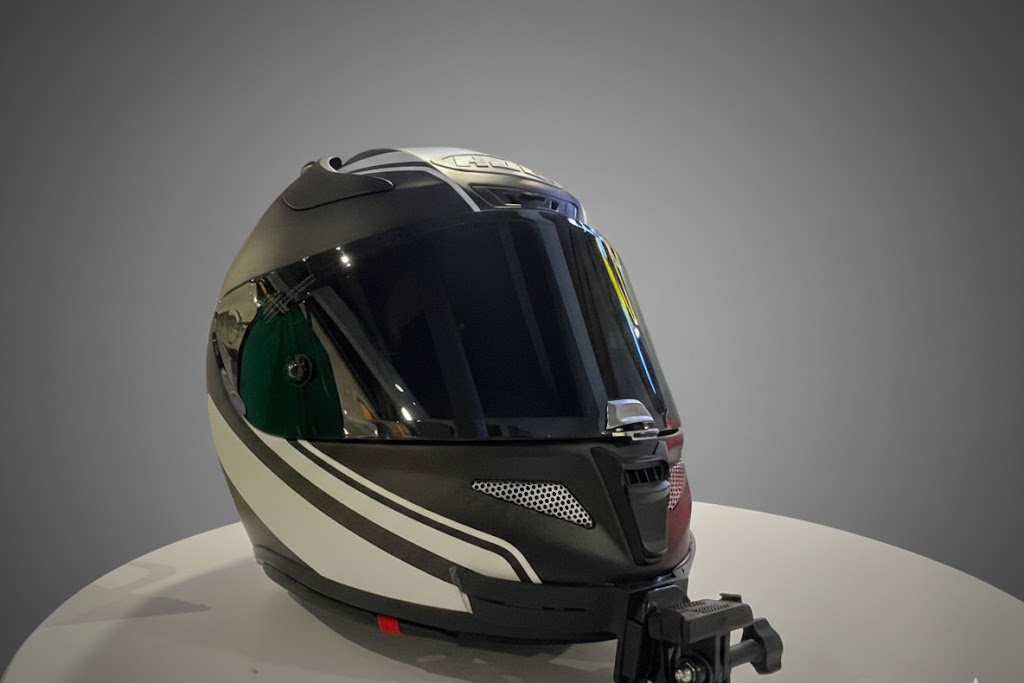
The center one-touch open/close locking system features an ambidextrous design with a spring-controlled lever. This system is optimized for high-speed racing conditions, providing secure closure even at maximum speeds while remaining easy to operate with gloved hands. The enhanced dual-lock mechanism ensures the shield stays firmly in place, eliminating any flutter or movement during highway riding that could distract or impair vision.
If you’re curious about how other rider gear stacks up with long-term use, be sure to read the Chigee XR‑2 long‑term review.
Build Quality and Long-Term Durability
After several months of regular use on my XJR 400, the RPHA 11 Carbon shows excellent build quality and durability. The carbon fiber shell finish maintains its appearance despite exposure to sun, rain, road debris, and regular handling. The weave pattern remains sharp and clear without fading or yellowing. The carbon fiber doesn’t just look premium, it maintains that premium appearance over time unlike painted finishes that can chip or fade.
The vent mechanisms continue operating smoothly with no signs of looseness or binding. This is important because vent controls that become stiff or sloppy over time significantly degrade the user experience and make it difficult to adjust ventilation while riding. The RPHA 11 Carbon’s vent dials still click positively through their six stages with the same feel as when new, demonstrating quality construction in even the small mechanical components.
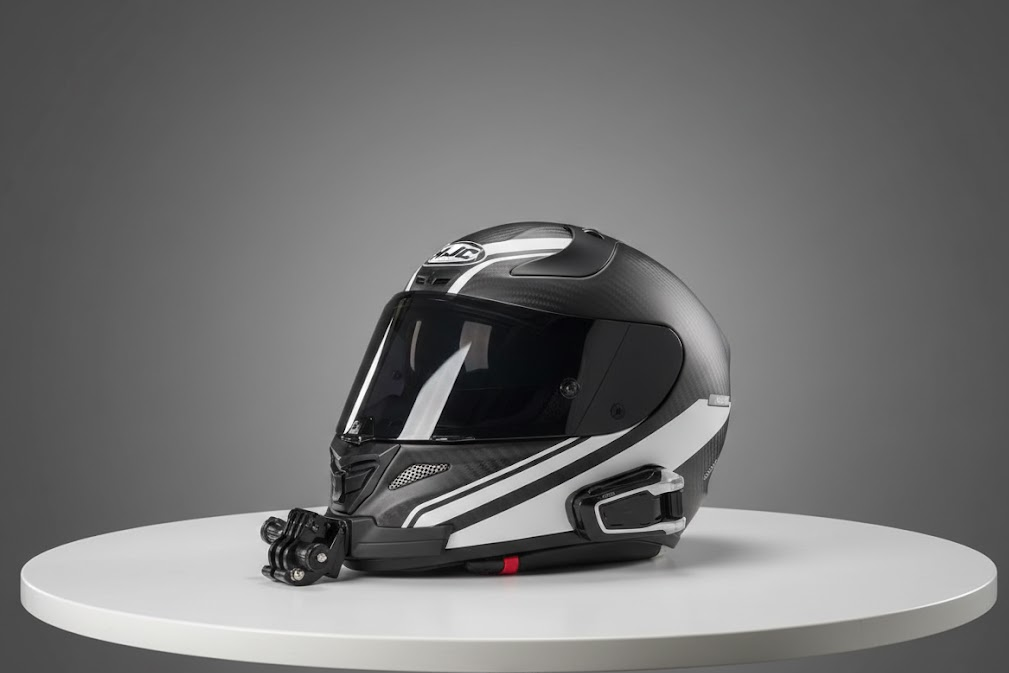
The visor mechanism maintains its tension appropriately, neither too loose (which would allow rattling and movement) nor too tight (which would make operation difficult and tire your hands). The seal around the visor base continues preventing wind intrusion effectively, with no deterioration of the gasket material or loss of sealing effectiveness. This attention to long-term performance across all components justifies the RPHA 11 Carbon’s position as HJC’s flagship helmet.
Value Proposition and Market Position
Released in 2016 and gradually discontinued around 2023, the RPHA 11 Carbon remains surprisingly competitive even in 2026. With current prices typically around $499–$629 USD (₱26k–₱33k) or lower on clearance, it still delivers flagship features like a full carbon shell, lightweight build (~1,265 g), strong ventilation, and emergency cheek-pad release.
Compared to flagship carbon helmets from Shoei, Arai, and AGV that often cost $900–$1,200+, the RPHA 11 Carbon continues to offer a much stronger value-to-performance ratio. While premium brands provide slightly more refined finishing and newer certifications, those improvements rarely translate into major advantages for street riding or occasional track days. For everyday use, the performance gap feels relatively small compared to the price difference.
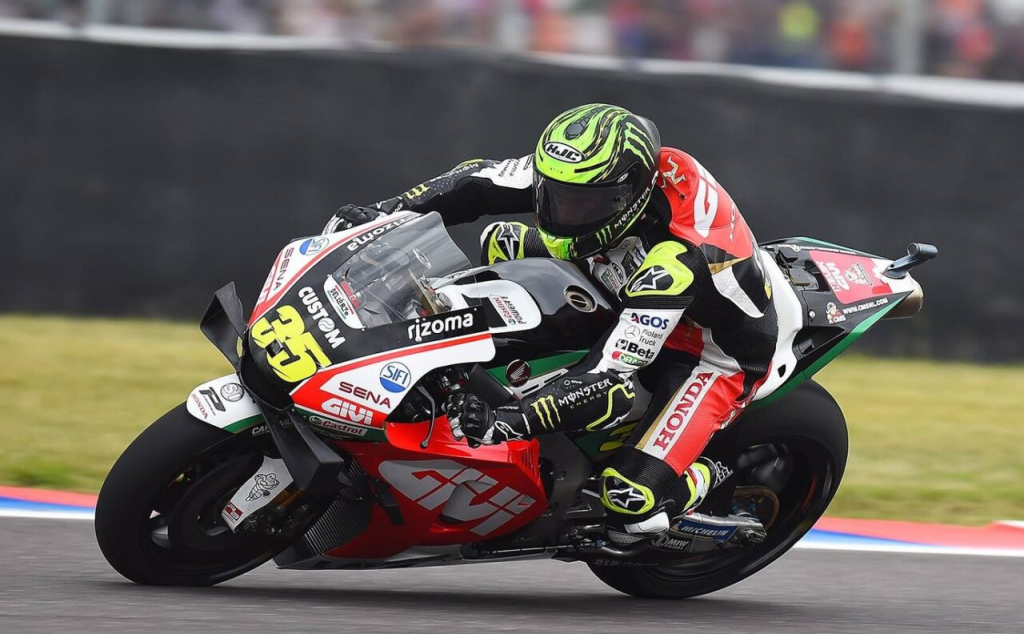
Its long-term value comes from HJC’s large-scale manufacturing efficiency, which allows premium materials at lower costs without sacrificing structural quality. Even a decade after release, it remains one of the most affordable ways to own a true flagship-level carbon helmet. In 2026, it’s still very much worth buying especially for riders prioritizing light weight, airflow, and proven race-derived design over having the newest model.
For riders pairing their helmet with other gear, check out the Pando Moto Full Kit XJR400 review to see how a complete kit performs on a classic Yamaha XJR.
Choose the HJC RPHA 11 Carbon if:
- Lightweight carbon construction is a priority for reducing neck fatigue
- You want flagship helmet features without European brand pricing
- You value excellent ventilation for hot weather riding
- You want both clear and tinted shields included in the package
- Tool-free shield changes and emergency release features matter to you
- You prefer exceptional value over brand prestige
- You ride sport bikes, naked bikes, or classic motorcycles
- A 5-year warranty provides important peace of mind
- You want genuine carbon fiber construction under ₱35,000 PHP
Consider Other Options if:
- Maximum noise reduction is your absolute top priority
- You prefer a looser fit from day one without break-in period
- You need a 5-star SHARP rating specifically for peace of mind
- Brand prestige matters more than features and value
- You require touring-specific features like integrated sun visors
- You’re not willing to invest in flagship-level pricing
- You prefer heavier helmets with more acoustic padding
Final Perspective
After months of using the HJC RPHA 11 Carbon on my 1990 Yamaha XJR 400, it represents a successful execution of flagship engineering at value-focused pricing. Rather than attempting to compete with ultra-premium European brands on heritage marketing or marginal feature advantages, it delivers essential functionality with exceptional quality and reliability that respects riders who prioritize substance over brand prestige. The carbon fiber construction delivers genuine weight savings and impact protection benefits, not just cosmetic appeal.
The key insight from using the RPHA 11 Carbon on the XJR 400 is that flagship performance doesn’t require flagship pricing when a manufacturer focuses on engineering excellence rather than brand positioning. The RPHA 11 Carbon excels at being lightweight, comfortable, well-ventilated, and safe, the fundamentals that matter most during actual riding. It provides modern carbon fiber technology without unnecessary complexity, and delivers long-term reliability without requiring European-brand premium pricing.
HJC RPHA 11 Carbon
The HJC RPHA 11 is best for sport and high-speed riding, designed with an aerodynamic shell, aggressive ventilation, and a tight race-fit that stays stable even at highway or track speeds. It’s ideal for riders who use sportbikes, enjoy spirited riding, or want a lightweight helmet with premium performance features.
For riders of sport bikes, naked bikes, classic machines like the XJR 400, or anyone who values performance and quality over brand prestige, the RPHA 11 Carbon offers a compelling proposition. It proves that you don’t need to choose between flagship carbon fiber construction and reasonable pricing, you can have both when a manufacturer focuses on engineering excellence, manufacturing efficiency, and delivering genuine value rather than chasing premium positioning through artificial price inflation.