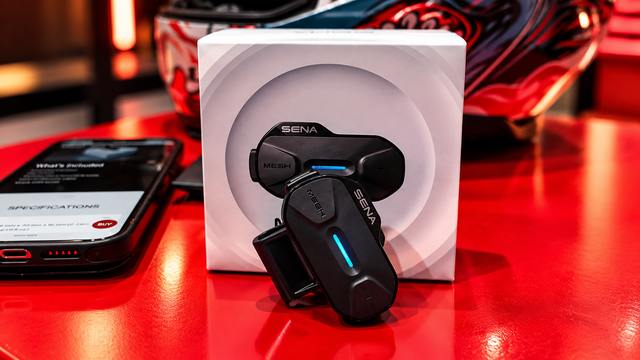
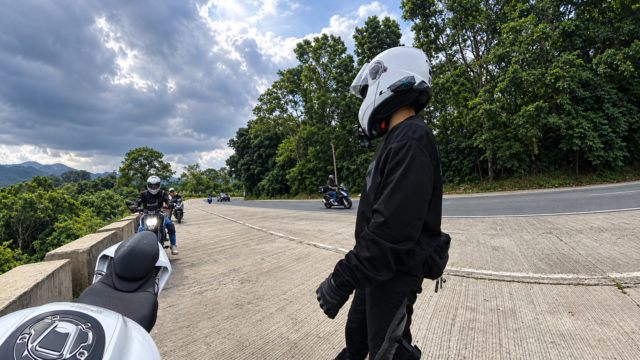
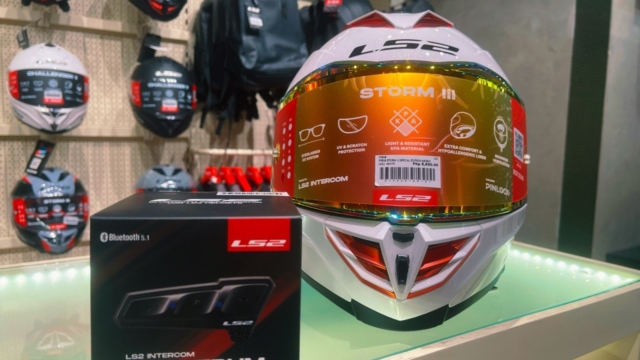
It’s 5 a.m. at a gas station on SLEX and the group chat is still waking up. Someone’s running late, someone forgot to charge their comms, and someone just bought a new intercom and won’t stop talking about it. You’re standing there with your coffee wondering if you should upgrade too. If you’re about to spend ₱25,000 or more on an intercom, you want it to make that whole day better, not just look good on a spec sheet.
Sena has two flagships right now: the 60S, which has been around since late 2024, and the 60X, which landed in July 2026. On paper they look almost the same, with the same Mesh, the same Wave, and the same waterproof rating. On the road, though, they’re built for slightly different riders. The difference shows up in small moments, like how fast you can answer a call or how your music sounds once you hit 100 km/h.
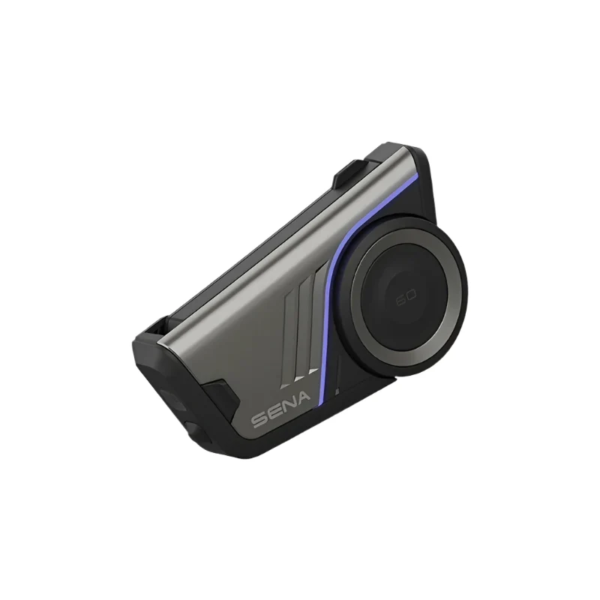
SENA 60s
The Sena 60S is a cutting-edge motorcycle helmet communication system designed for riders who crave seamless connectivity and high-performance features. Equipped with Mesh 3.0 Intercom technology.
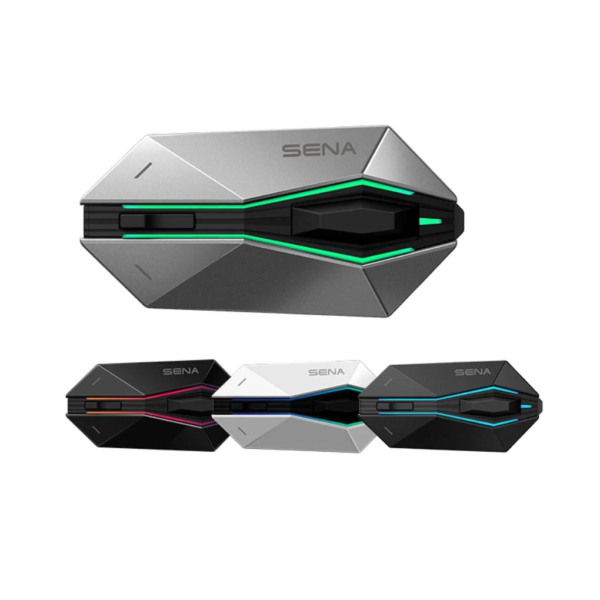
SENA 60x
The newest addition to Sena's flagship 60 Series lineup, the 60X redefines what riders can expect from a premium communication system. Engineered for a seamless user experience based on our leading technology, it delivers the advanced performance that riders expect from Sena.
I haven’t put either one on my own helmet yet. My daily is still the SC2 in my Schuberth, so I know what a good Sena feels like over a long ride, and what gets annoying after a few hours. For the hands-on side, I leaned on my friend Jejabel, who rides with both the 60S and the 60X. His feedback and photos shaped a lot of what you’ll read here. What follows is how each one plays out on the rides we actually do here, from the Sunday Tagaytay loop to the long haul up to Baguio.
The short answer
Buy the 60S if you want a proven unit you can pick up today, especially if you catch it on sale. It has nearly two years of firmware fixes behind it, great sound, and everything a group rider needs. Buy the 60X if you live on the expressway, care about how your music sounds at speed, and hate remembering to charge. And if you already own a 60S, don’t upgrade, since it’s not worth it just for the Bose sound. Both can ride in the same Mesh group, so either one works with your crew.

The rest of this post is about why I land there. I’ll walk through the moments on a ride where these two actually feel different, from the first button press of the morning to the rainy ride home. That’s where your money goes, not the spec table. If you just want the numbers, there’s a quick specs table near the bottom.
At 100 km/h on TPLEX: the sound
You know the moment. You merge onto TPLEX, open it up, and the song you were enjoying in the city turns into a thin buzz under the wind. You crank the volume to get the bass back, and now it’s too loud in the quiet parts. By the time you reach Tarlac, your ears are tired and you just turn the music off.
That’s exactly what the 60X’s Bose tuning goes after. Sena built it to keep the bass full and the sound steady at speed, without making you push the volume. Add AI noise reduction on the mic, and your riding buddy hears your voice instead of your exhaust and the wind. If most of your rides involve long expressway stretches, this is the upgrade you’ll actually feel every trip.
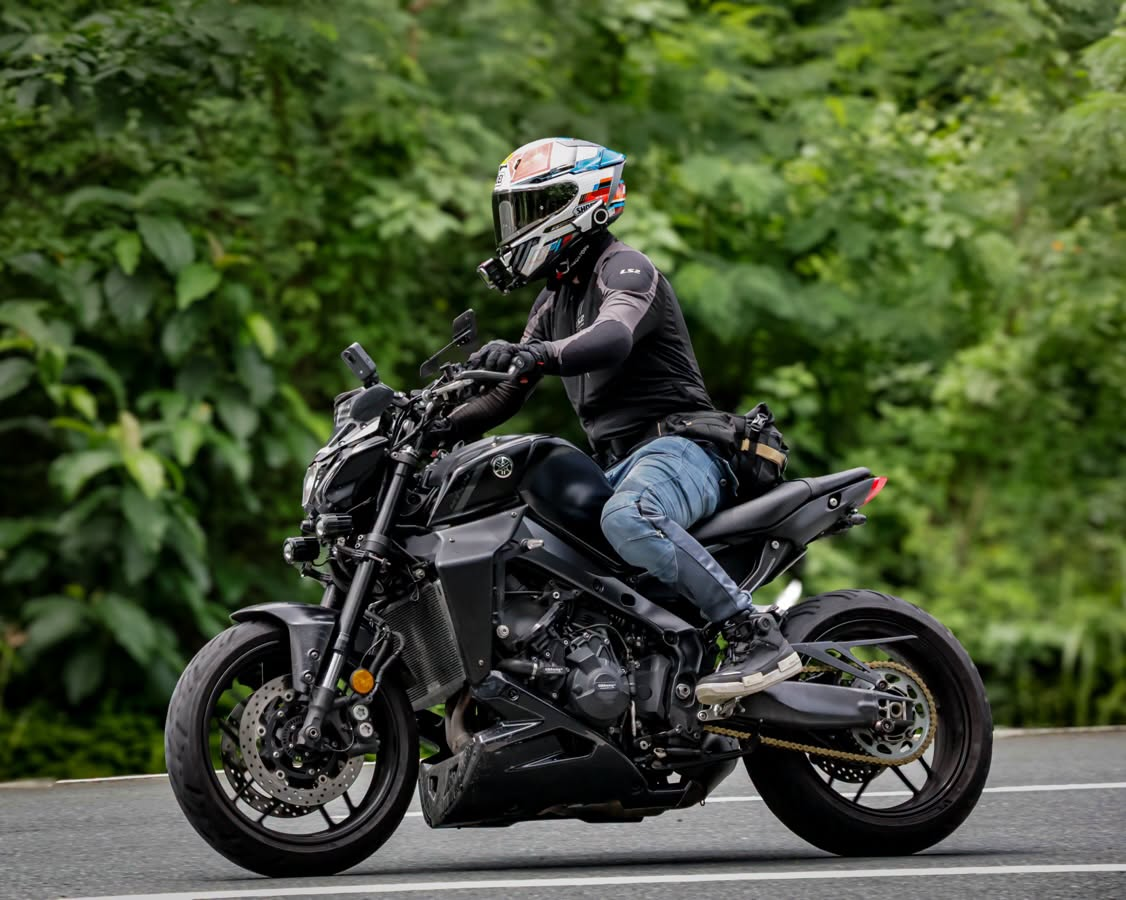
The 60S isn’t weak here, not even close. Its Harman Kardon speakers are loud, punchy, and clear even with earplugs in, and its mic is clean enough that callers can barely tell you’re on the highway. In stop-and-go EDSA traffic, you’d struggle to hear any difference between the two. It’s only out on the open expressway, where wind noise takes over, that the 60X pulls ahead.
Wet gloves, wrong button: the controls
Picture rain coming in sideways near Tagaytay. Your gloves are soaked, your visor is fogging, and a call comes in from the rider who got cut off at the last stoplight. On the 60S, you’re feeling for the jog dial and the right button while trying to keep your eyes on the road. It’s well laid out and easy with gloves once your hand knows where everything is, but it still takes a second of thinking.
The 60X gives you a joystick instead, plus two buttons you set up yourself in the Sena app. Map one to Mesh and one to your phone, and that call becomes one press with no guessing. Up, down, left, right, press, and you’re done. It’s the kind of change you shrug at in the store but appreciate on every single ride.
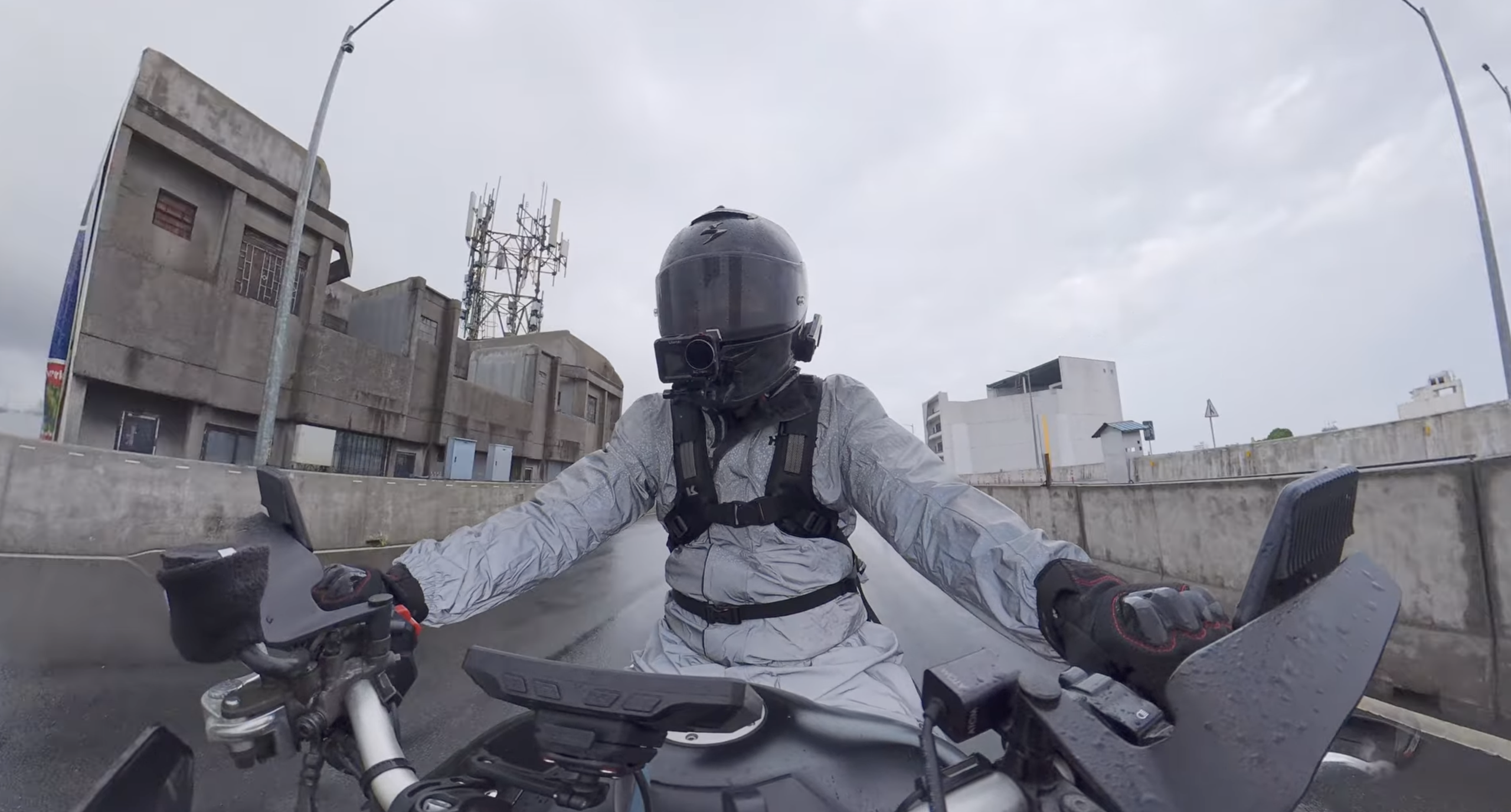
The catch is that the joystick is brand new for Sena. First versions of anything usually get fine-tuned through firmware updates, and the 60X already got its first one in August 2026. If you’ve used a Sena jog dial for years, the 60S won’t make you relearn anything. Muscle memory counts for a lot when you’re riding in the rain and can’t look down.
The night before the ride: battery and charging
Be honest. Most of us remember to charge our comms at 4:30 a.m. while hunting for the other glove. The intercom is sitting on the shelf with a dead battery, and you’ve got 20 minutes before you need to leave. This is where the two units feel the most different.
The 60X gives you about 4 hours of Mesh from just 20 minutes on the charger. That’s enough to get you to Tagaytay with time to spare, or through the first half of a Batangas loop. It also charges wirelessly, so you can just leave it on your phone’s Qi pad overnight. And it switches itself on and off, so you won’t come back from a coffee stop to a dead unit you forgot to turn off.
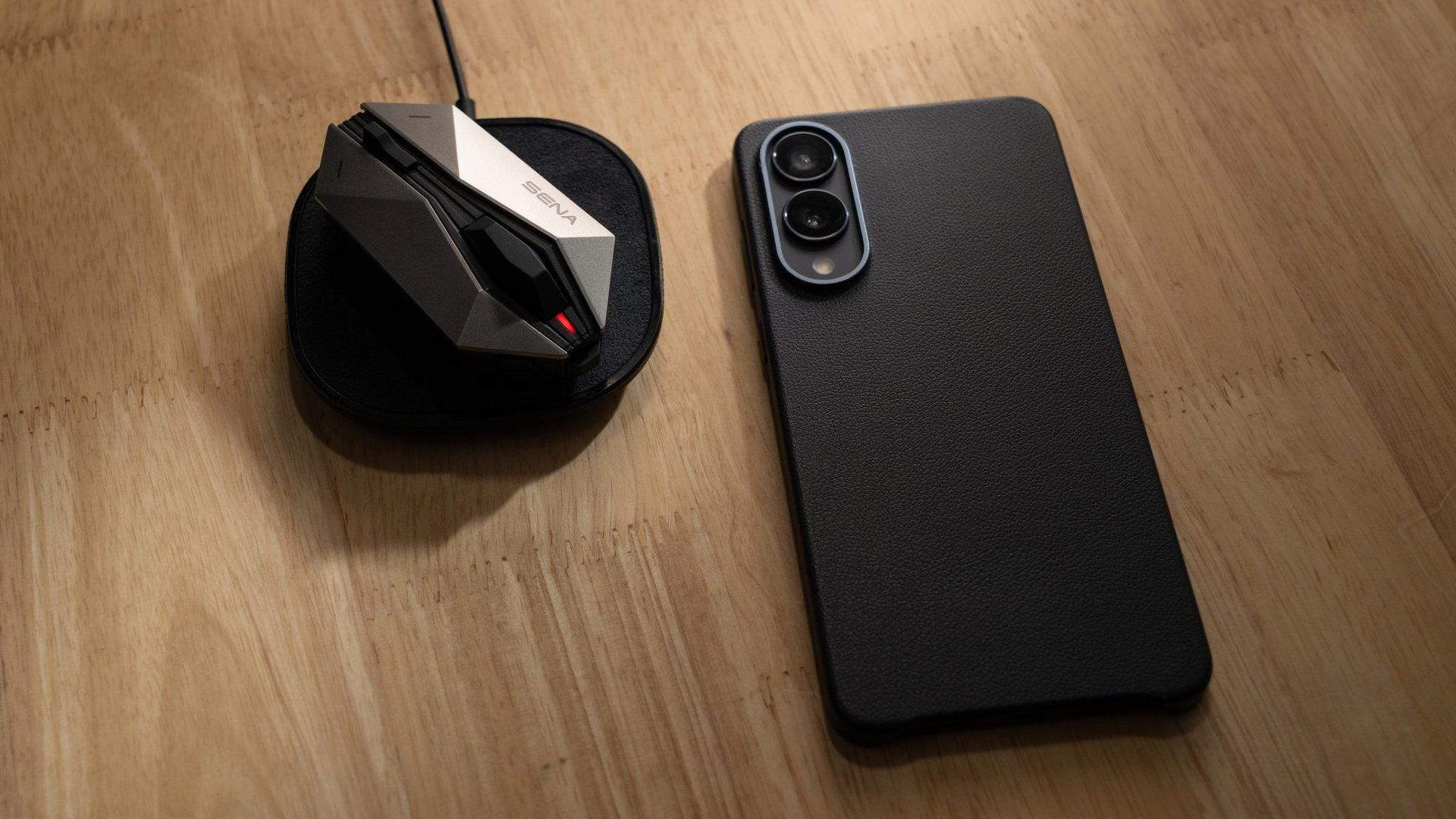
The 60S charges over USB-C in about 90 minutes and is rated up to 22 hours with the LED off. With music blasting, expect closer to 12 or 13 hours. That’s still a full day out, even a Manila-to-Baguio run if you leave with a full battery. You just have to be the kind of rider who plugs it in the night before.
When the group splits up: Mesh and Wave
Every group ride has this moment. Half the pack makes the light, the other half doesn’t, and the sweeper is suddenly talking to nobody. Five minutes later, someone’s taken a wrong turn and everyone’s pulling over to check their phones. Both units handle this the same way, and honestly, it’s one of the best reasons to buy either.
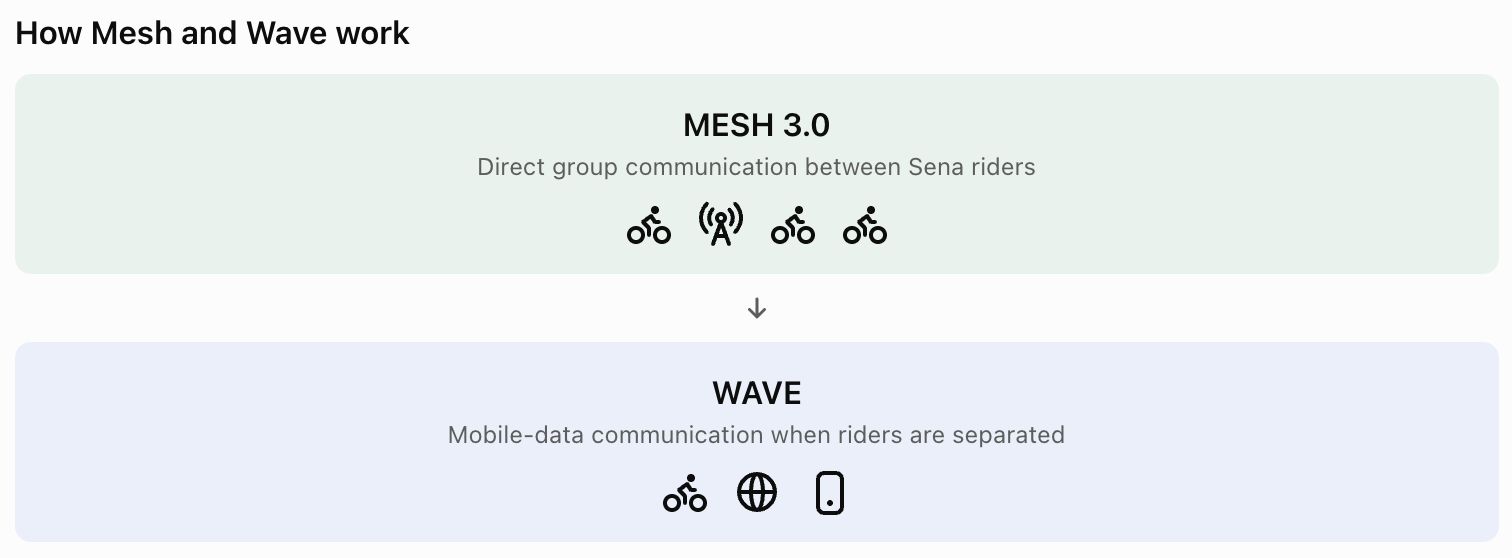
Mesh 3.0 keeps everyone connected no matter the riding order, so the lead doesn’t have to keep checking his mirrors to babysit the line. Up to 24 riders can share a private group. When the gap gets too big for Mesh, Wave takes over through mobile data, so you can still tell everyone you’re stuck at the toll plaza. It even works with friends on Cardo through the Wave app.
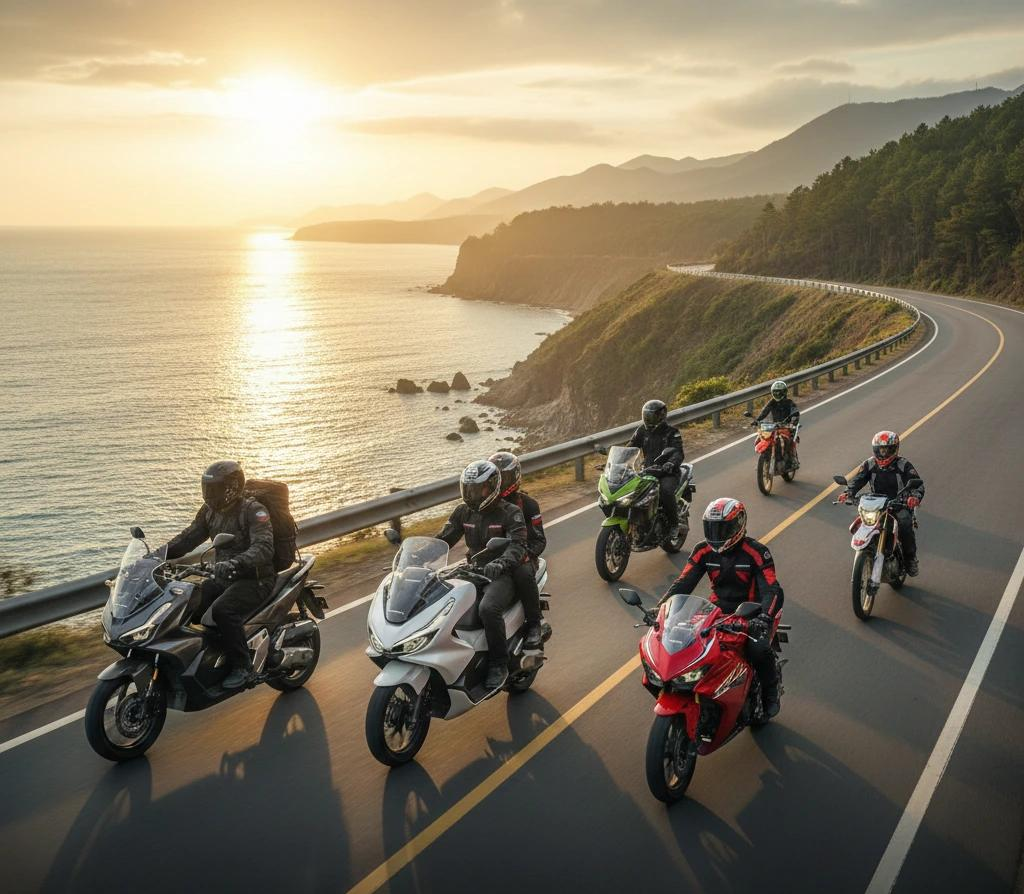
One tip from my own Sena use: check that everyone’s on the same Mesh version at the meetup. Mesh 3.0 and Mesh 2.0 won’t talk to each other until someone switches in the app. It’s the most common reason a group can’t connect, and it’s easy to miss. Two minutes at the gas station saves you an hour of hand signals.
Pouring rain on SLEX: weatherproofing
Habagat season doesn’t care about your plans. You leave Manila under clear skies, and by Calamba you’re riding through a wall of water. Your jacket is soaked, your boots are filling up, and the last thing you need is your intercom cutting out. Both the 60S and the 60X are rated IPX7, which means they’re built to survive being dunked, not just splashed.
That makes a heavy downpour on SLEX well within what either one can take. Just keep the charging port cover shut tight, and let the unit dry before you plug it in at home. Don’t leave your helmet baking on the seat for hours at a long stop, either. In our climate, the sun is harder on batteries than the rain will ever be.
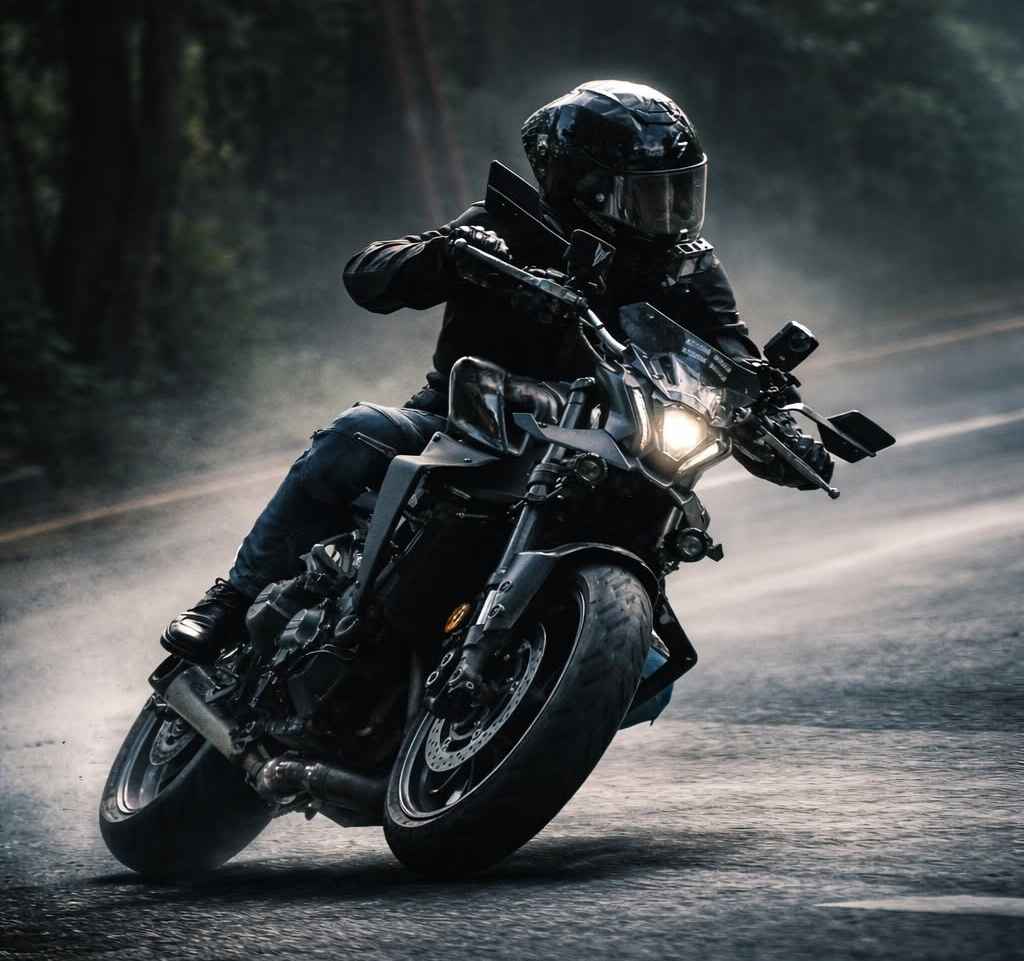
On this point, it’s a tie. Neither one will leave you riding in silence because the weather turned. Whichever you choose, rainy season is not a reason to pick one over the other.
In the parking lot: looks and size
The 60S has a Ride Glow LED strip you can set to 12 color schemes, plus a small built-in flashlight. It looks great at night when the crew’s parked at the tambayan and everyone’s helmets are lit up. You just won’t see it while you’re riding, so it’s mostly for the people around you. The flashlight isn’t very bright, but in an emergency it’s a big deal, like fixing a flat on a dark provincial road at night.
The 60X goes the other way with a slimmer body that sits closer to the helmet. Less bulk means less wind catching it at expressway speeds, and less chance of knocking it against your top box when you store your helmet. You also get four faceplate colors, white, silver, matte black, and gloss black, so it can match your lid. And there are two mounts in the box, which is great if you switch between a full-face and an open-face.
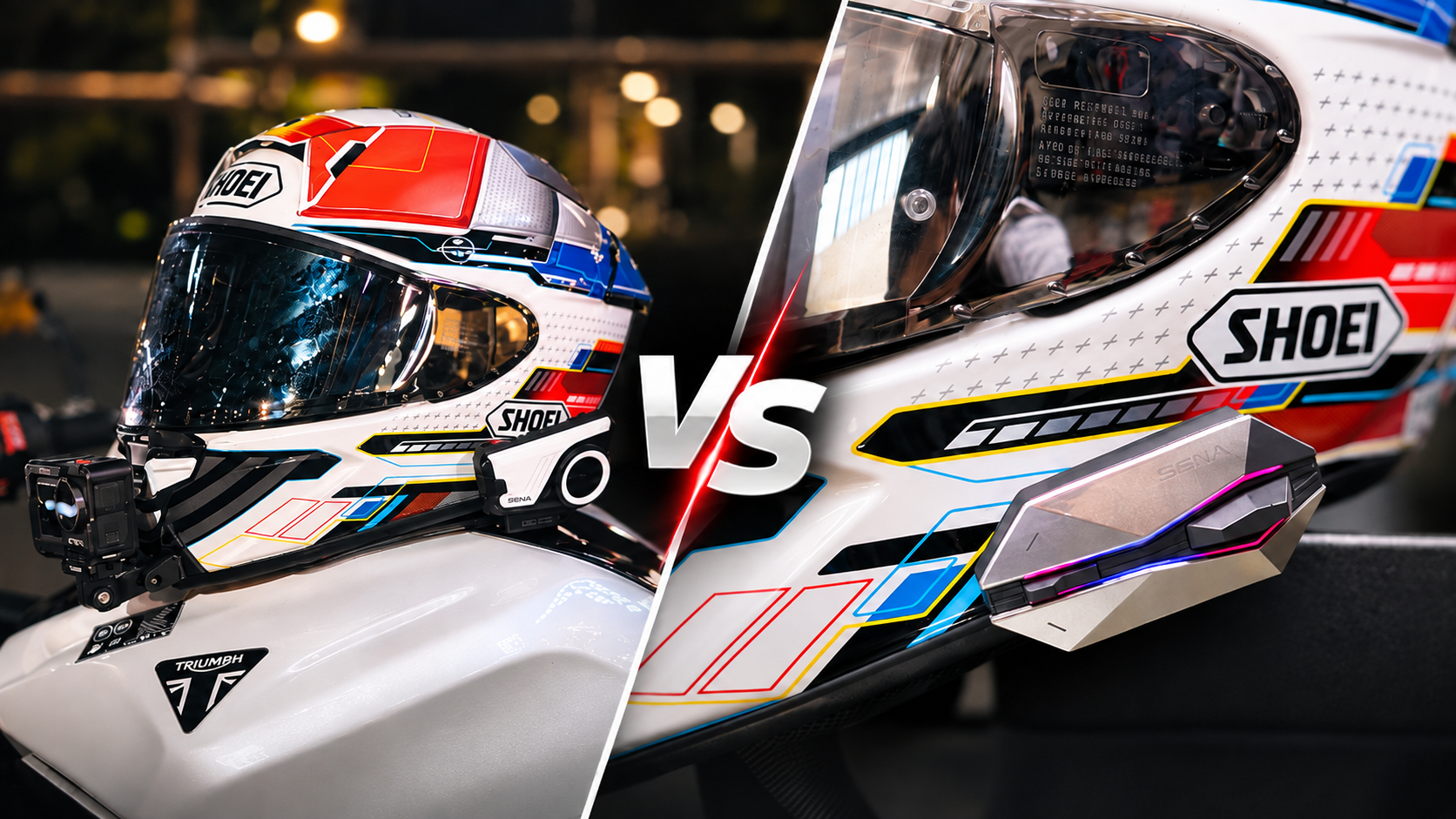
If you care about a clean, low-profile look, the 60X wins. If you like a bit of flash when you’re hanging out with the crew, the 60S has it. Either way, this probably shouldn’t be the deciding factor, but it’s nice to know what you’re getting.
What you’re really paying for
Motoworld Philippines lists the 60S from ₱24,990 for a single pack. I couldn’t confirm local pricing for the 60X yet. Abroad, it launched at US$459 for a single. In the UK, it came in at the same recommended price as the 60S, which hints that Sena sees it as the new top model rather than a pricier tier.
Here’s how I’d think about the money. With the 60S, you’re paying for great sound and a clear mic in a unit with nearly two years of firmware fixes behind it. With the 60X, you’re paying for convenience on every ride: easier controls, faster charging, a cleaner fit, and better sound at speed. Neither one is missing anything you’d need for a group ride.
SENA 60s
The Sena 60S is a cutting-edge motorcycle helmet communication system designed for riders who crave seamless connectivity and high-performance features. Equipped with Mesh 3.0 Intercom technology.
SENA 60x
The newest addition to Sena's flagship 60 Series lineup, the 60X redefines what riders can expect from a premium communication system. Engineered for a seamless user experience based on our leading technology, it delivers the advanced performance that riders expect from Sena.
If the 60S drops well below SRP as stores make room for the 60X, it’s the value pick, no question. If the two end up close in price here, the 60X is the one I’d save up for. But if you already have a 60S, keep it. A riding buddy put it simply when we talked about these two: the Harman Kardon on the 60S already sounds great, the 60S is only missing a few features, and the 60X costs more. Paying flagship money again just for Bose tuning is hard to justify.
Quick specs
| Sena 60S | Sena 60X | |
|---|---|---|
| Audio | Harman Kardon, 40 mm | Sound by Bose, 40 mm |
| Controls | Jog dial + buttons | Joystick + 2 custom buttons |
| Intercom | Mesh 3.0/2.0, Wave, Bluetooth | Mesh 3.0/2.0, Wave, Bluetooth |
| Rated talk time | Up to 22 h (LED off) | 19 h Mesh / 29 h Bluetooth |
| Charging | USB-C, about 90 min | USB-C + wireless; 20 min = 4 h Mesh |
| Waterproofing | IPX7 | IPX7 |
| Price | From ₱24,990 (Motoworld PH) | From ₱27,990 (Motoworld PH) |
FAQ
Can the Sena 60S and 60X ride in the same group? Yes. They share Mesh 3.0, Mesh 2.0, Bluetooth intercom, and Wave, so you can mix them in one group.
Will they work with my friend’s Cardo? Not over Mesh, since Mesh only works between Sena units. Use Bluetooth intercom, or the Wave app, which works across brands.
Can they handle rainy season? Yes. Both are IPX7, so heavy rain is no problem. Just keep the charging port cover closed.
Does Wave eat a lot of mobile data? Sena puts it at about 216 MB for 24 hours of talking, which works out to under 10 MB an hour. A full day’s ride fits easily in most PH data promos.
Which one lasts longer on a long ride? The 60X is rated higher on Bluetooth intercom and has the 20-minute quick charge. The 60S is rated up to 22 hours with the LED off.
Big thanks to Jejabel
This comparison wouldn’t feel half as real without Jejabel, who rides with both the 60S and the 60X. Big thanks for sharing your honest take on how each one actually performs on the road, and for letting me use your photos in this post. Feedback from someone who’s put kilometers on both units is worth more than any spec sheet.
If you’re reading this and you’ve been on the fence, Jejabel’s experience is a big part of what shaped the verdict here. Riders helping riders is what keeps this community going. Salamat, Jejabel, ride safe, and see you on the next one.