
For a long time, my handlebar setup looked like a science project phone mount on one side, a standalone TPMS display wedged somewhere else, and cables doing their best impression of spaghetti. Not exactly the clean cockpit a Honda Beat deserves, especially when you’re weaving through Metro Manila traffic and every inch of handlebar space matters. I knew there had to be a better way, and the Aoocci C3 Plus turned out to be it.
This is a budget-tier motorcycle CarPlay display, and Aoocci doesn’t try to hide that. What they do offer built-in TPMS, wireless CarPlay/Android Auto, and a surprisingly snappy touch response is a combination that genuinely solves a real problem for riders who don’t want to turn their scooter into a mobile command center. I tested it on my Honda Beat across Metro Manila commutes, weekend rides, and here’s what I found.
Aoocci C3 Plus
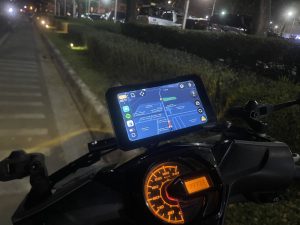
The C3 Plus is a 5-inch wireless CarPlay and Android Auto motorcycle display with integrated TPMS included in the box. It runs on a Cortex-A7 processor, hits 800 nits of brightness, and comes with IP67 waterproofing. At its price point, it's one of the only units that bundles tire pressure monitoring right in no separate add-on, no extra cost.
What Kind of Rider Is This For?
Before getting into the specifics, it’s worth asking the obvious question: who actually needs this? If you’re on a touring machine doing multi-day trips, something like the Aoocci C6 Pro is a better fit. It adds built-in dash cameras, a larger display, and stronger brightness for riders who spend long hours on the road and want a more feature-packed setup.
What most riders actually need is simpler: navigation they can glance at, the ability to take calls without fumbling through a jacket, and some assurance that their tires aren’t slowly going flat. The C3 Plus covers all three of those without turning your handlebar into an electronics shelf. For scooters like the Honda Beat, where the cockpit is already compact, keeping things minimal isn’t just a preference it’s a necessity.
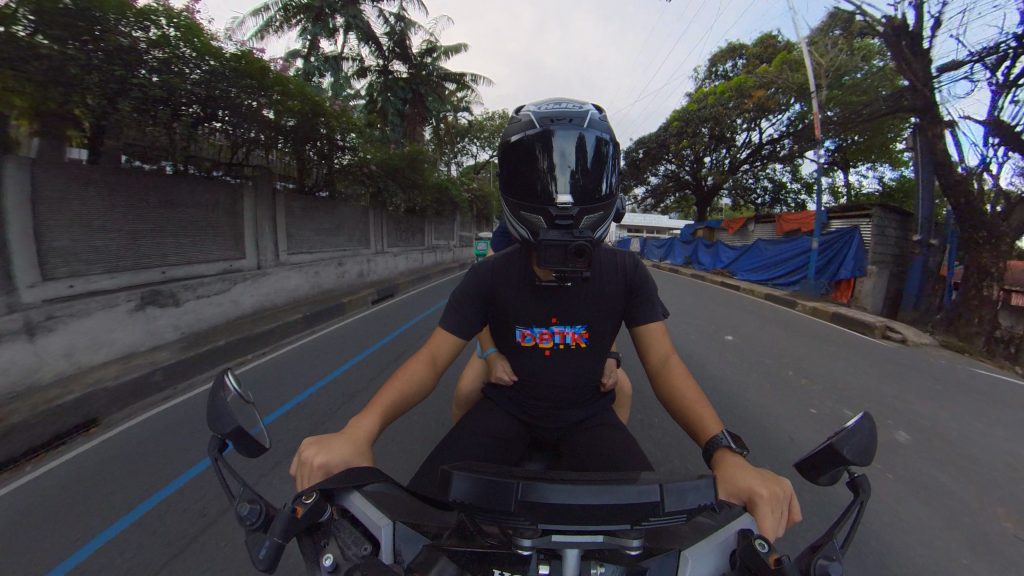
The C3 Plus fits that role cleanly. Its slim profile and lightweight build respect the proportions of a smaller bike in a way that a 7-inch screen simply wouldn’t. At 180 grams, you barely notice it’s there until you actually need it. And for urban riders, that invisible-until-needed quality is exactly the point.
Solving the Two-Mount Problem
Here’s the exact situation that made me pull the trigger: I was running a phone mount and a separate TPMS display at the same time. That’s two devices, two power sources, and two points of failure on a handlebar that wasn’t designed to carry any of it. The clutter was getting out of hand, and on a scooter with a small cockpit, it was starting to feel genuinely inconvenient.
The C3 Plus eliminates that completely. The TPMS sensors come bundled with the unit they screw onto the valve caps of both tires and pair wirelessly to the display, no secondary screen needed. After a ten-minute setup, my tire pressure and navigation both lived in one place, and I haven’t looked back since
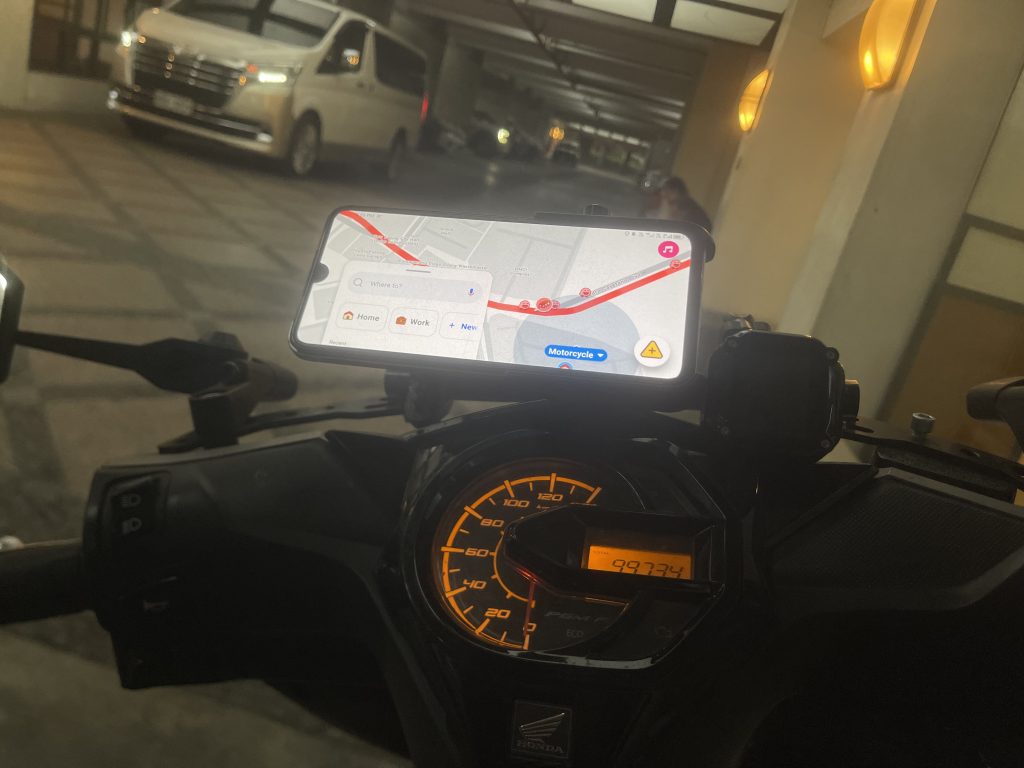
That consolidation is the single most practical thing about this unit. Less clutter, fewer cables, one fewer thing to mount for scooter riders who’ve been stacking gadgets out of necessity, the C3 Plus is basically the answer you’ve been waiting for.
TPMS: The Real Reason to Buy This
Most CarPlay motorcycle displays treat TPMS as a premium upsell you pay extra for. Aoocci baked it into the C3 Plus from the start, and that decision alone separates this unit from most of its competition at the same price tier. The system monitors real-time pressure and temperature for both front and rear tires, with customizable alert thresholds so you define what counts as too low or too high.
That customization matters more than it sounds. Running even a few PSI over spec in Philippine heat means a reduced contact patch, a stiffer ride, and faster center wear all things that creep up on you because they happen gradually. The C3 Plus catches those gradual changes and puts a number in front of your face while you’re still riding, which is exactly when the information is actually useful.
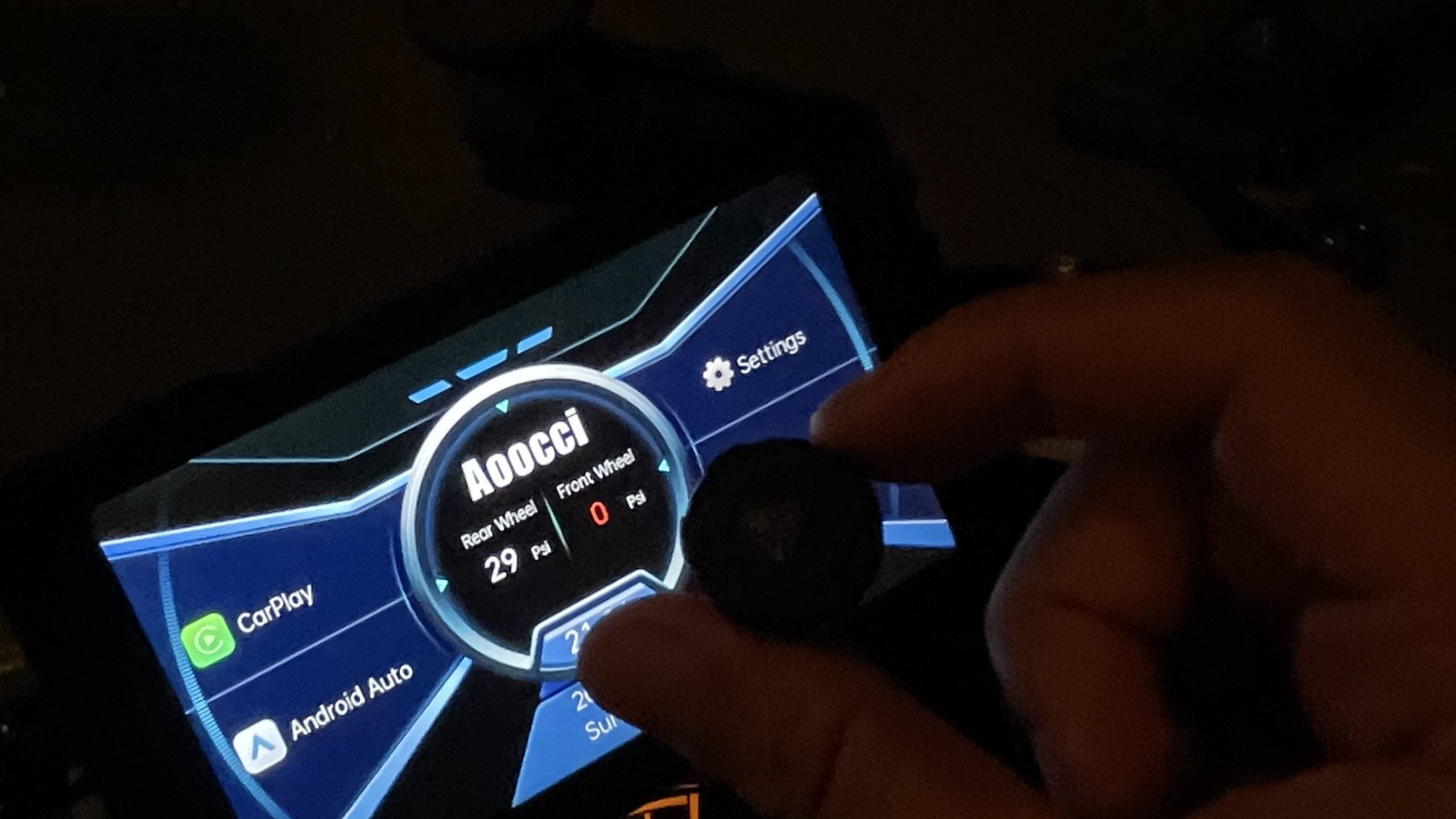
I had a moment not long after installing this where the rear pressure was reading low on a longer ride. I pulled into a station, pumped it up, and the scooter immediately felt more planted without the C3 Plus, I’d have ridden the whole day assuming everything was fine. That’s the real value of real-time monitoring over pre-ride checks alone.
Touchscreen Performance: Better Than It Has Any Right to Be
At this price, the touchscreen was the thing I expected to disappoint me. It didn’t. The C3 Plus responds well to input even with gloves on, menu transitions are smooth, and connecting via wireless CarPlay is fast once the initial pairing is done. Navigation apps like Waze and Google Maps run cleanly through the interface without noticeable lag.
What stands out is that the unit feels responsive in a way cheap motorcycle displays typically don’t. There’s no hesitation when swiping between screens, and map redraws at speed feel fluid enough that you’re not squinting at a frozen screen wondering if your tap registered. On a daily commute in Metro Manila traffic, where you’re making quick nav adjustments constantly, that responsiveness genuinely matters.
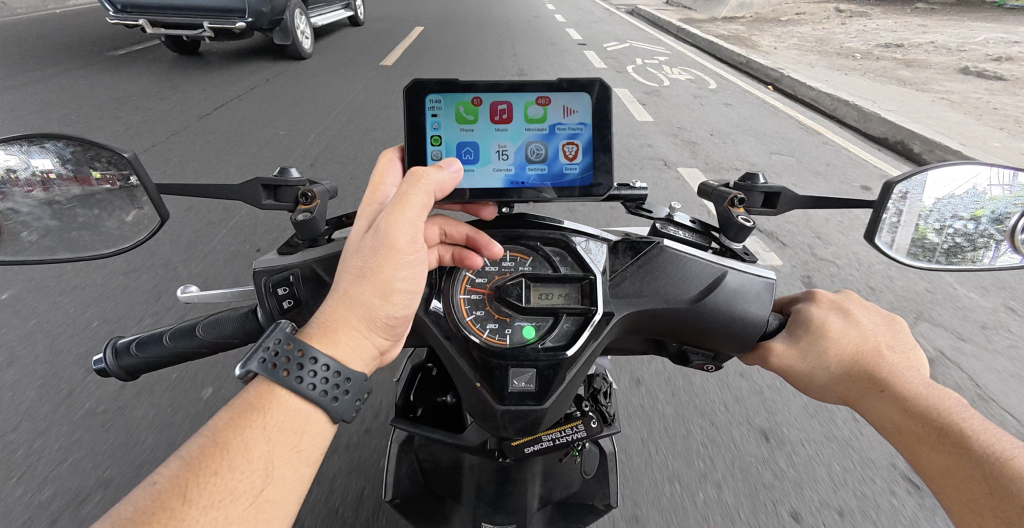
For a budget unit, it builds real confidence. You’re not fighting the display when you need to make a quick change it just does what you tell it to, without the frustrating half-second delays that plague cheaper screens. Honestly, it’s the thing that most surprised me after weeks of daily use.
Another thing worth noting is how readable the interface remains while the bike is in motion. Even over rough city roads and the vibration scooters tend to pick up, the screen stays stable enough to glance at quickly without losing track of navigation cues. Icons are large and the layout is simple, which makes quick checks at traffic lights or intersections much easier.
Wireless connectivity also proved reliable once the initial setup was finished. After the first pairing, my phone reconnects automatically every time the unit powers on, so navigation and calls are ready before I even leave the parking spot. That consistency makes the C3 Plus feel less like an accessory and more like something that naturally belongs in the cockpit.
Build Quality and Mounting
The C3 Plus comes in an ABS housing that weighs just 180 grams on a scooter like the Honda Beat, that light footprint means no awkward weight shift on the handlebar. The mount includes a vibration dampener, which a lot of cheaper units skip entirely, and on a scooter that picks up every crack and pothole in city roads, that dampener keeps the screen readable instead of blurry. Installation is a simple clamp setup that fits handlebars from 14 to 35mm, no special tools, no permanent modifications.
IP67 waterproofing covers rain, dust, and the general punishment of daily riding in the Philippines. It’s not the IP68 rating you get on more premium units, but for everyday urban use it handles everything tropical weather throws at it. During a few unexpected downpours on the road, the screen kept working and the touch response stayed reliable even with wet gloves.
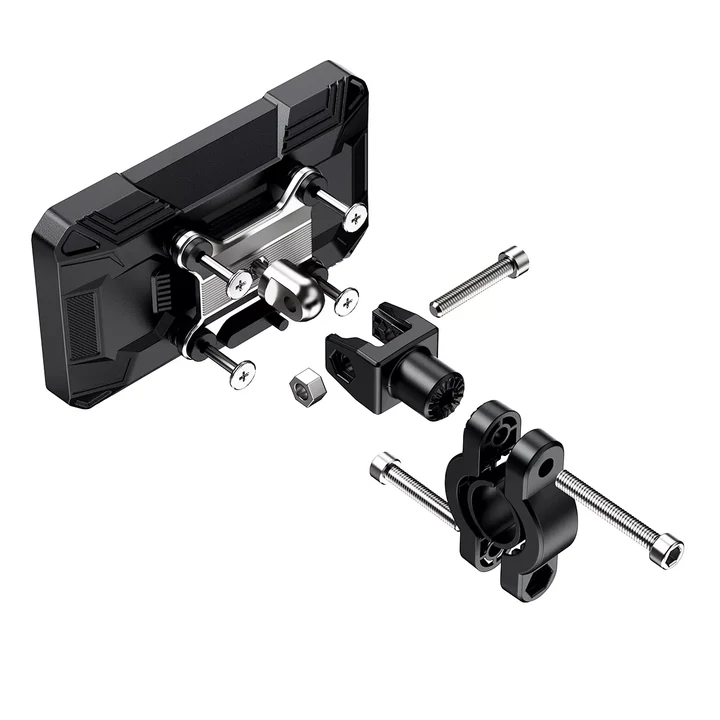
The overall build feels honest for the price. It doesn’t try to look like a premium product, but it doesn’t feel like it’s going to fall apart either and for a unit you’re mounting to a scooter and leaving exposed to sun, rain, and road grime every day, that durability is what actually counts.
Group rides just got clearer & smarter ASMAX S1 mesh intercom nails 8-rider comms, voice pairing & music on a budget. Manila-tested! ASMAX S1 Deep Dive
Power Options: A Thoughtful Touch
One feature that doesn’t get enough attention: the C3 Plus can be powered via USB, not just hardwired directly to the battery. For scooter riders who don’t want to crack open their electrical system or who want a clean, reversible install that USB option removes a significant barrier. You can plug it into an existing USB port on your bike or a standard 5V/2A adapter and be done with it.
The unit also supports ACC ignition pairing, so if you do choose to hardwire it, the screen powers on and off automatically with the bike. Both options work cleanly, and having the choice means the C3 Plus adapts to your preference rather than forcing a single install method. For scooters especially, where riders are often less comfortable modifying the electrical system, the USB option makes this practically plug-and-play.
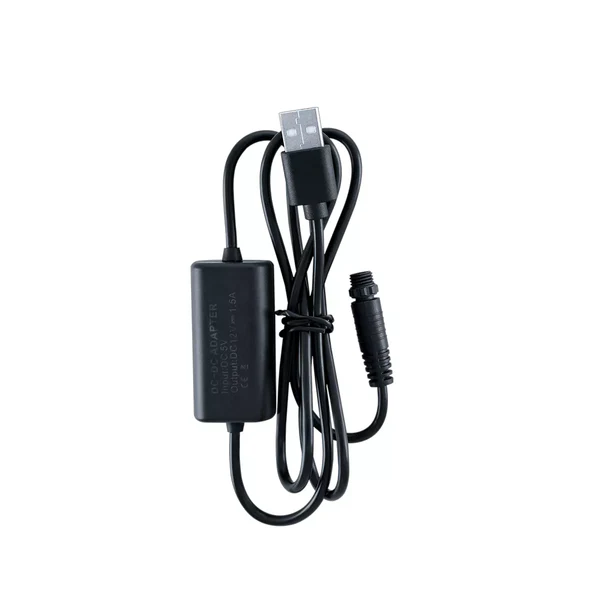
That flexibility is a small thing on paper but a meaningful thing in practice. It lowers the barrier to getting the unit installed and working, which means you’re actually using it instead of putting off a wiring job that never seems to happen.
The One Honest Downside: Sun Glare and Brightness
Here’s where I have to be straight: sun glare is a real problem. The C3 Plus tops out at 800 nits of brightness, which is workable in most conditions, but direct tropical sun especially mid-afternoon riding on open roads can wash out the screen to the point where you’re tilting your head trying to find a readable angle. More frustrating is that there’s no automatic brightness adjustment you have to toggle it manually every time conditions change.
That means on a ride where you start in shaded streets and end up on a sun-exposed, you need to reach over and bump the brightness yourself which is exactly the kind of distraction good design should eliminate. The C3 Plus makes you do that work yourself.
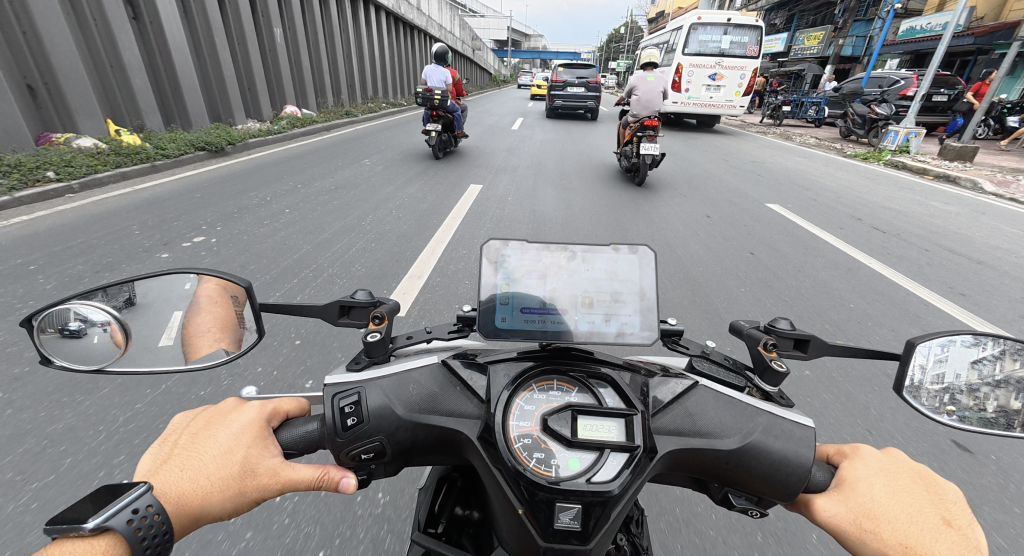
It’s not a dealbreaker, but it’s a friction point you’ll notice on almost every ride in Philippine conditions. If you ride mostly in the early morning, evenings, or shaded city streets, you’ll barely feel this limitation. If noon-sun riding is part of your regular routine, go in knowing you’ll be managing brightness manually.
Beat the PH heat on two wheels! Top ventilated helmets road-tested in Manila traffic & tropical sun stay cool & safe.Best Ventilated Helmets 2026 Guide
Who Should Buy the Aoocci C3 Plus?
Get the C3 Plus if:
- You’re currently running a phone mount and a separate TPMS and want to consolidate into one unit
- Budget matters and you don’t want to pay flagship prices for CarPlay
- Your scooter has a compact cockpit you don’t want to overwhelm with gadgets
- You want USB power flexibility without mandatory hardwiring
- Commuting and weekend riding is your primary use case
Consider other options if:
- You ride a lot in direct midday sun and need automatic brightness control
- You want a unit that adjusts brightness on its own without manual input
- You need dash cam functionality built in look at the Aoocci C6 Pro instead
- Long-distance touring is your primary use, where a higher-nit display pays off more
Feature Summary
| Feature | Aoocci C3 Plus Specification |
|---|---|
| Screen Size | 5-inch IPS display |
| Resolution | 854×480 |
| Brightness | 800 nits |
| Waterproof Rating | IP67 |
| TPMS | Included (front and rear sensors) |
| Smartphone Integration | Wireless Apple CarPlay / Android Auto |
| Bluetooth | 4.2 |
| Wi-Fi | Dual-band (2.4GHz / 5GHz) |
| Power Options | 12V ACC hardwire or USB |
| Weight | 180g |
| Handlebar Compatibility | 14–35mm |
| Operating Temperature | -20°C to 80°C |
| Vibration Dampener | Yes, included |
5 months strong in PH rain & heat: Chigee XR-2 CarPlay + TPMS + dashcams still solid. Chigee XR-2 Long-Term Review
Final Thoughts
The Aoocci C3 Plus doesn’t try to compete with premium CarPlay units on spec sheets and it doesn’t need to. What it does instead is solve a specific, practical problem well: it replaces two separate handlebar gadgets with one clean unit that handles navigation, calls, and tire monitoring from a single screen. For Honda Beat riders and scooter commuters in general, that consolidation has real, everyday value.
The touch responsiveness being as good as it is at this price is the other thing that genuinely surprised me after weeks of daily use. It doesn’t feel like a budget product when you’re actually using it in traffic, and that reliability builds the kind of trust that makes a piece of gear worth recommending. The TPMS being included in the box rather than sold separately seals the deal for anyone who was already planning to run one anyway.
Aoocci C3 Plus
The C3 Plus is a 5-inch wireless CarPlay and Android Auto motorcycle display with integrated TPMS included in the box. It runs on a Cortex-A7 processor, hits 800 nits of brightness, and comes with IP67 waterproofing. At its price point, it's one of the only units that bundles tire pressure monitoring right in no separate add-on, no extra cost.
The sun glare issue is real and worth knowing, but it’s a manageable limitation rather than a fatal flaw and for the price, the tradeoff is easy to accept. If Aoocci ever adds auto-brightness via firmware, this becomes a very hard unit to argue against for everyday riders. As it stands, it’s already the right answer for anyone who wants to stop stacking gadgets on their scooter and just ride.